How Fortnite is Evolving Beyond Battle Royale
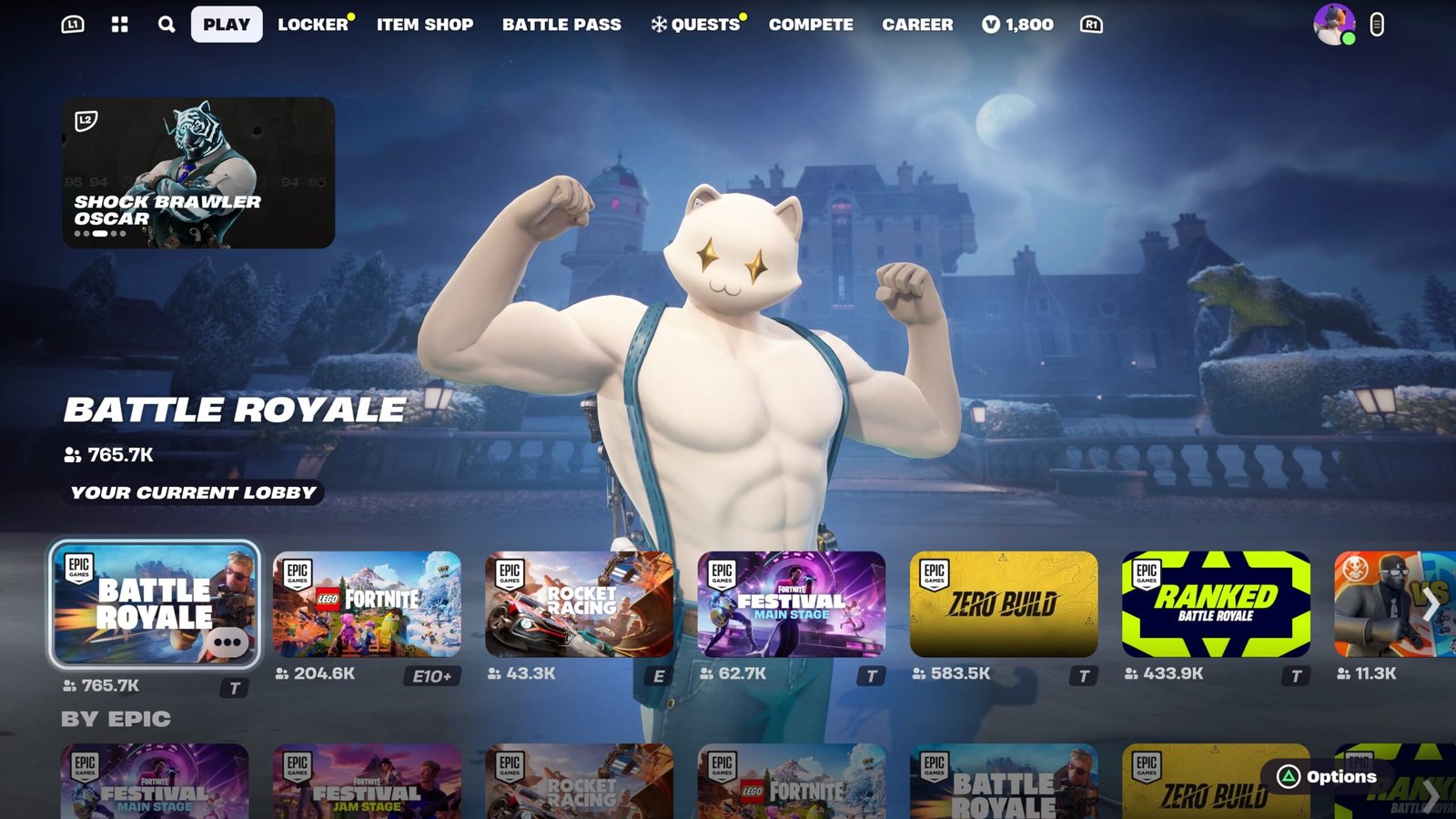
Saxs Persson, the executive overseeing the Fortnite ecosystem at Epic Games, is leading a strategic pivot to redefine the platform. By introducing titles like Lego Fortnite, Rocket Racing, and Fortnite Festival, the company aims to move beyond the traditional battle royale format and establish a broader, multi-genre digital landscape.
Persson, who previously spent 12 years at Mojang helping build the foundation of Minecraft, joined Epic in 2022. His mission is to evolve Fortnite from a singular competitive experience into a versatile ecosystem where players can choose from a variety of gameplay styles, effectively lowering the barrier for new users who may not be interested in combat-focused games.
Building an Ecosystem
The expansion strategy relies on first-party content to showcase the capabilities of the Unreal Editor for Fortnite (UEFN). By developing these new titles internally, Epic creates a template for what the engine can achieve, eventually handing those advanced tools over to the creator community.
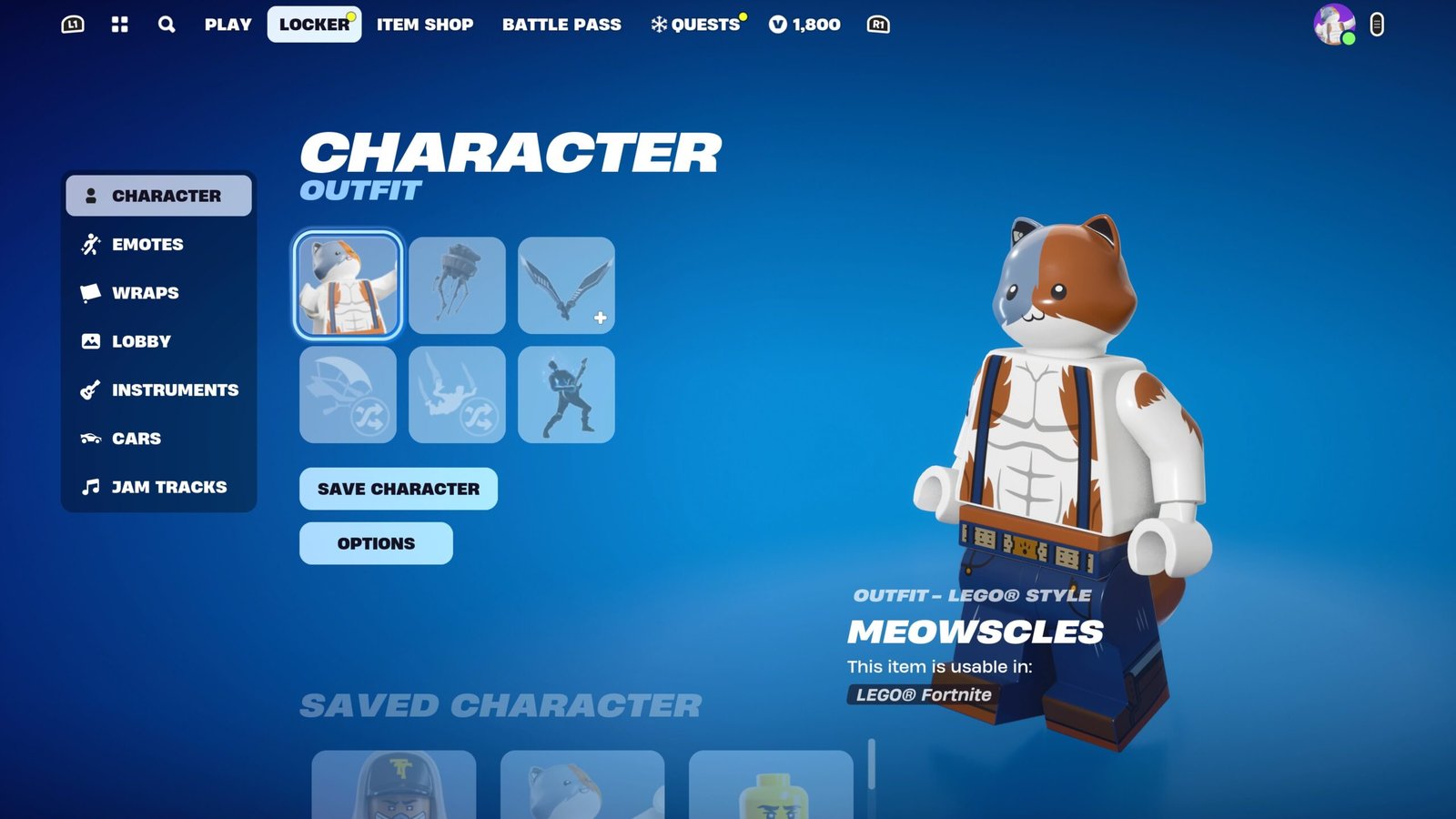
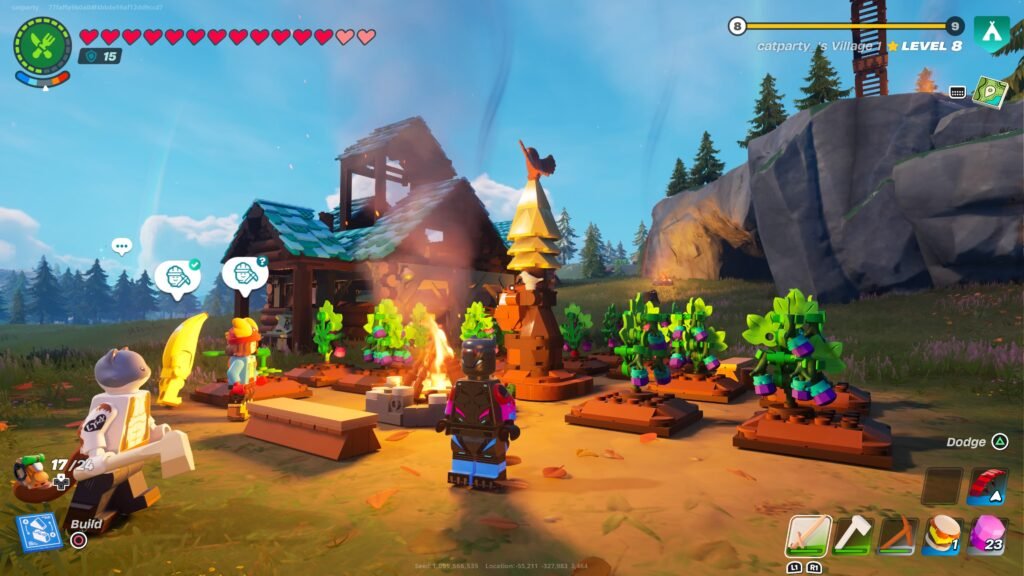
- Lego Fortnite: Focuses on procedural generation and survival sandbox mechanics, offering a world 20 times larger than the standard battle royale island.
- Rocket Racing: Introduces high-fidelity racing mechanics that provide new tools for track designers.
- Fortnite Festival: Incorporates advanced music generation and editing tools, broadening the game’s appeal to rhythm-gaming fans.
Focusing on Cozy Gaming and Safety
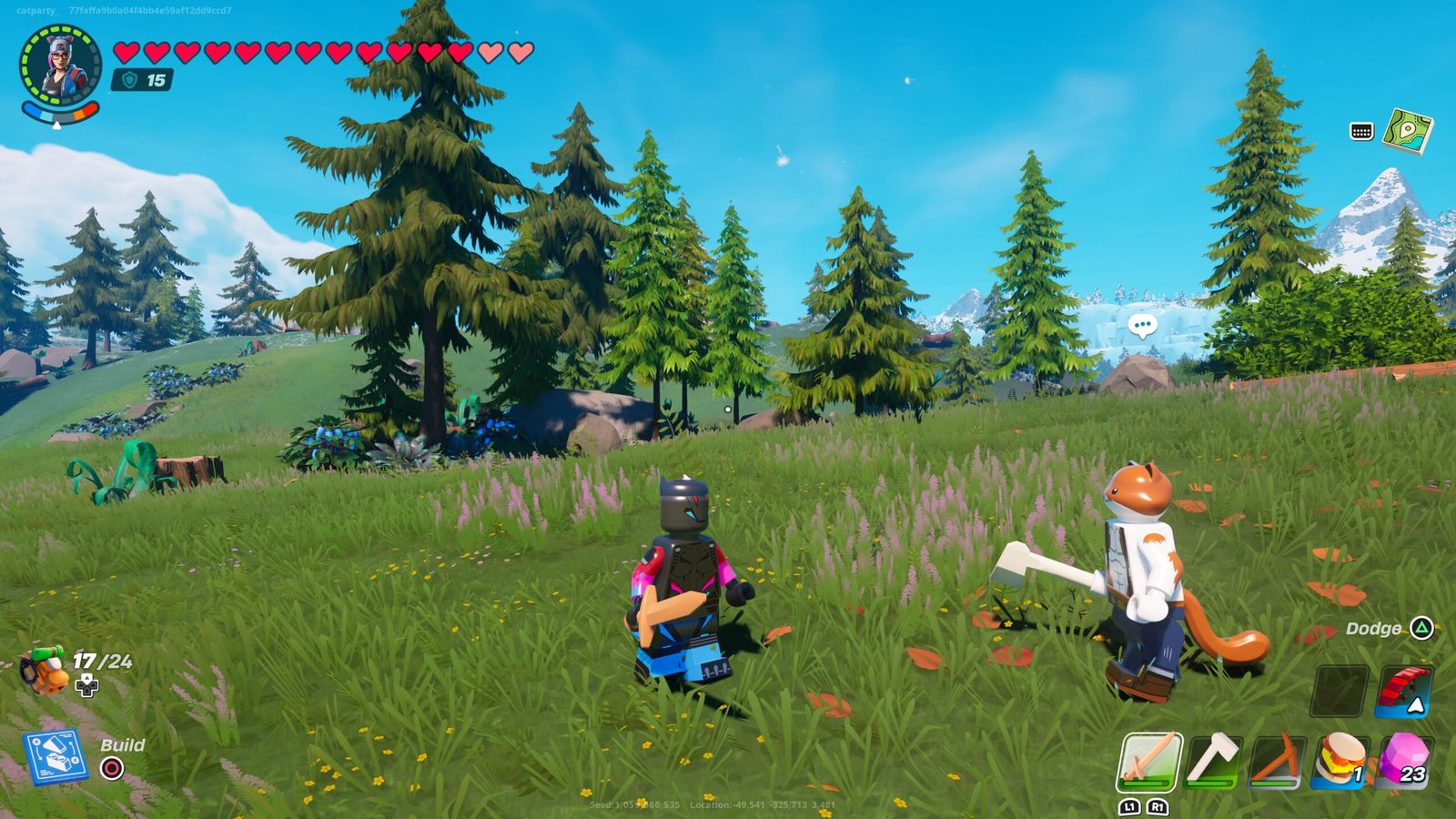
Lego Fortnite, in particular, draws inspiration from titles like Animal Crossing, Minecraft, and Valheim. Persson notes that the game leans into the “cozy gaming” genre, emphasizing homesteading, village building, and social simulation. The internal design philosophy treats the standard Fortnite world as a “canvas” and the Lego elements as the “paint,” creating a survival sandbox where players set their own stakes.
To accommodate younger audiences, Epic has implemented a new ratings paradigm. This system allows parents to exert granular control over the content their children access within the Fortnite ecosystem, ensuring that experiences remain age-appropriate.
Persson believes that the key to sustained growth is a consistent “drip feed” of fresh content. By leaning heavily into the storytelling potential of these new modes, Epic expects streaming communities on platforms like Twitch and YouTube to play a vital role in showcasing that Fortnite is no longer just a battle royale game, but a destination for diverse playstyles.