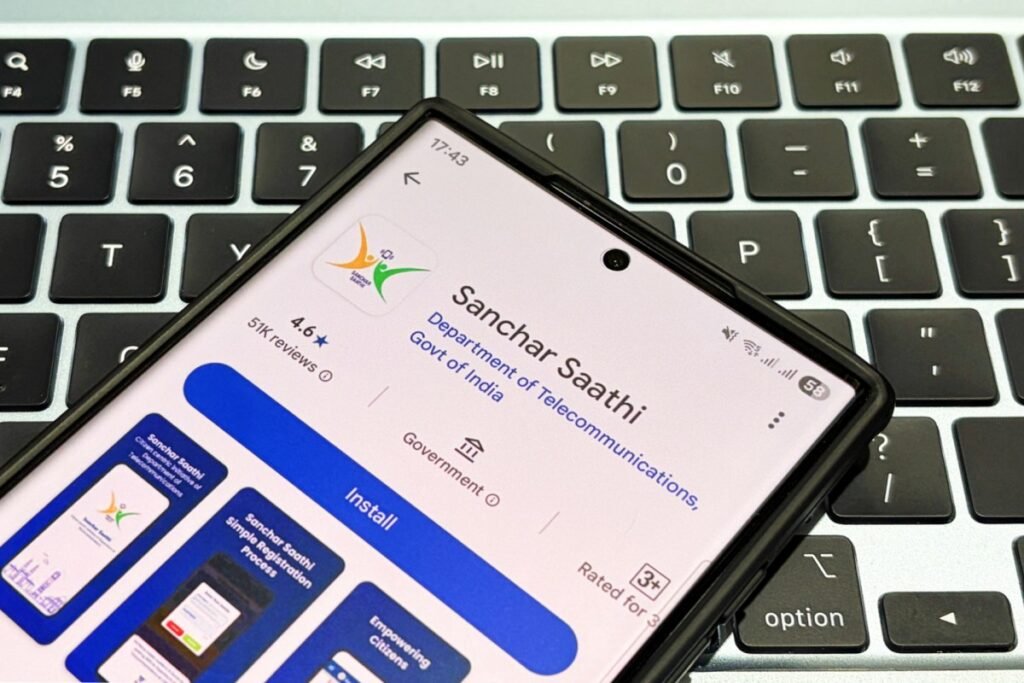
India Expands Smartphone Tracking Through Sanchar Saathi App
The Indian government is aggressively broadening its cybersecurity and anti-theft operations, moving toward a system that aims to register and verify every smartphone currently in circulation. This initiative, which centers on the Sanchar Saathi portal, now encompasses both new handsets and the rapidly growing secondhand market.
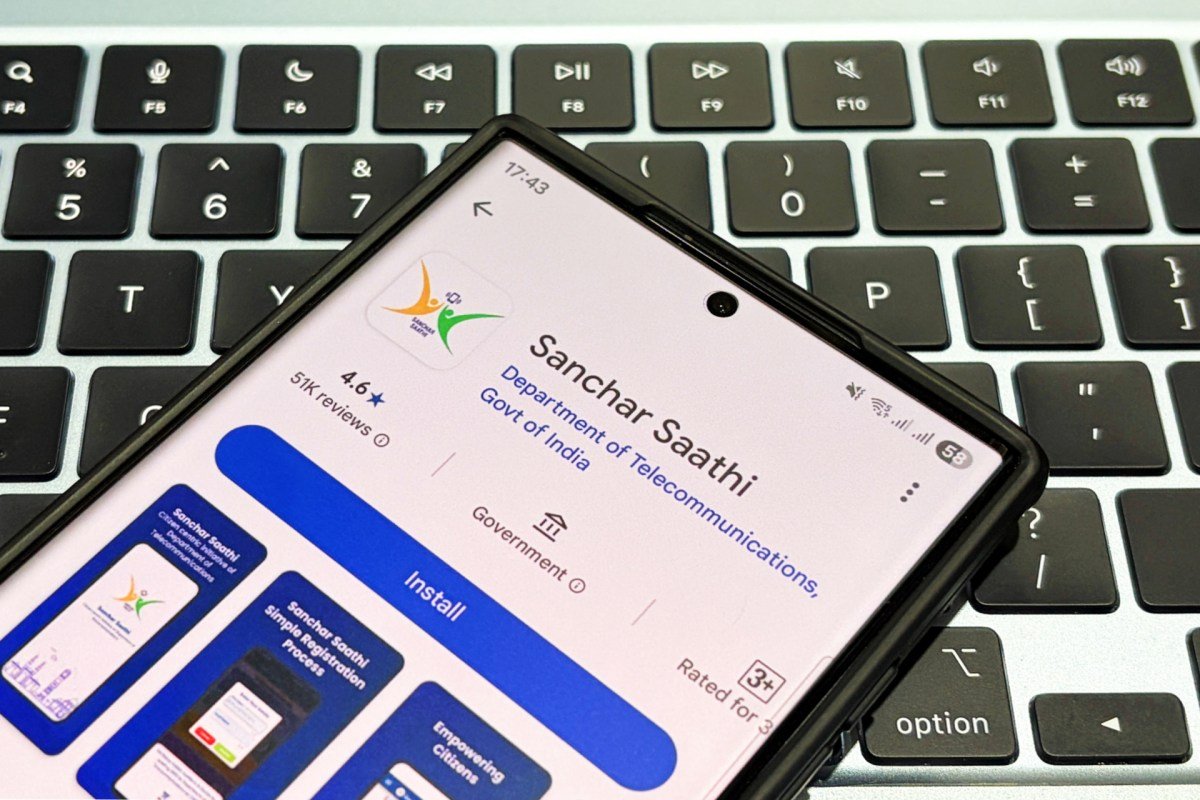
Recent directives from the telecom ministry require manufacturers to preinstall the Sanchar Saathi application on all new devices and push the software to existing phones via updates. Furthermore, the government is piloting an API that would force trade-in platforms and recommerce companies to upload customer identities and device details directly into a central database of IMEI numbers.
Combating Fraud or Overstepping Privacy?
Government officials maintain that these measures are essential to tackle sophisticated cybercrimes, including device cloning, IMEI duplication, and identity theft. Since its inception in 2023, the Sanchar Saathi portal has reported blocking over 4.2 million devices and tracking 2.6 million others. Following the launch of the dedicated app in January, authorities claim to have recovered more than 700,000 phones.
However, the mandate has triggered significant pushback from digital rights advocates and policy experts who fear the state is gaining unprecedented visibility into personal devices. Concerns center on the lack of transparency regarding data storage, access protocols, and the absence of independent audits for a system that could eventually monitor a user base of approximately 700 million devices.
- Broad Adoption: The app has surpassed 15 million downloads, with over 3 million monthly active users recorded in November.
- Market Impact: India is the world’s third-largest secondhand smartphone market, yet roughly 85% of this sector operates through informal, unregulated channels.
- Regulatory Pressure: While the government claims the app is “voluntary,” manufacturers have been instructed to ensure the software remains visible, accessible, and fully functional upon device setup.
Industry and Expert Reactions
Telecom Minister Jyotiraditya M. Scindia has defended the initiative, describing it as a “completely voluntary and democratic system” and noting that users retain the right to uninstall the app. Conversely, critics argue that the government’s approach is disproportionate. Prateek Waghre of the Tech Global Institute described the move as “troubling,” highlighting that the backend infrastructure—including the new API—operates largely outside the user’s view.
Meghna Bal, director at the Esya Centre, warned that mandating a government-controlled application could stifle private sector innovation. “If the government intends to build such systems, they must be backed by independent audits, strong data governance safeguards, and transparent accountability measures,” Bal stated. Deputy telecom minister Pemmasani Chandra Sekhar noted that while most major manufacturers participated in the working group for this initiative, Apple notably did not.
As the government pushes forward, the initiative remains a point of contention. With no clear framework on how the collected data will be protected, privacy experts warn that this strategy could set a precedent for state-led device surveillance that other nations may eventually study or replicate.