Industry Season 4 Mirrors Real-World Fintech Fraud
HBO’s financial drama Industry has returned with a sharp focus on the mechanics of corporate deception. The fourth season centers on a high-stakes investigation into Tender, a fintech firm that appears to be built entirely on fabricated financial metrics.
The plot follows Harper Stern, who is currently navigating the launch of her own investment firm. Seeking a target for a short position, Stern receives a tip-off regarding irregularities at Tender. She subsequently dispatches her associates, Sweetpea and Kwabena, to Ghana to verify the company’s operations. The findings are stark: Tender’s revenue and user base appear to be non-existent.

The Regulatory Pressure on Tender
Tender’s business model was originally rooted in payment processing for adult content, a sector increasingly squeezed by the U.K.’s Online Safety Act. Facing stringent age-verification mandates, the company is desperate to pivot into traditional banking. Whitney, the firm’s leader, embodies the archetype of the “move fast and break things” tech executive, aggressively lobbying for a banking license while positioning CEO Henry as the face of the transition.
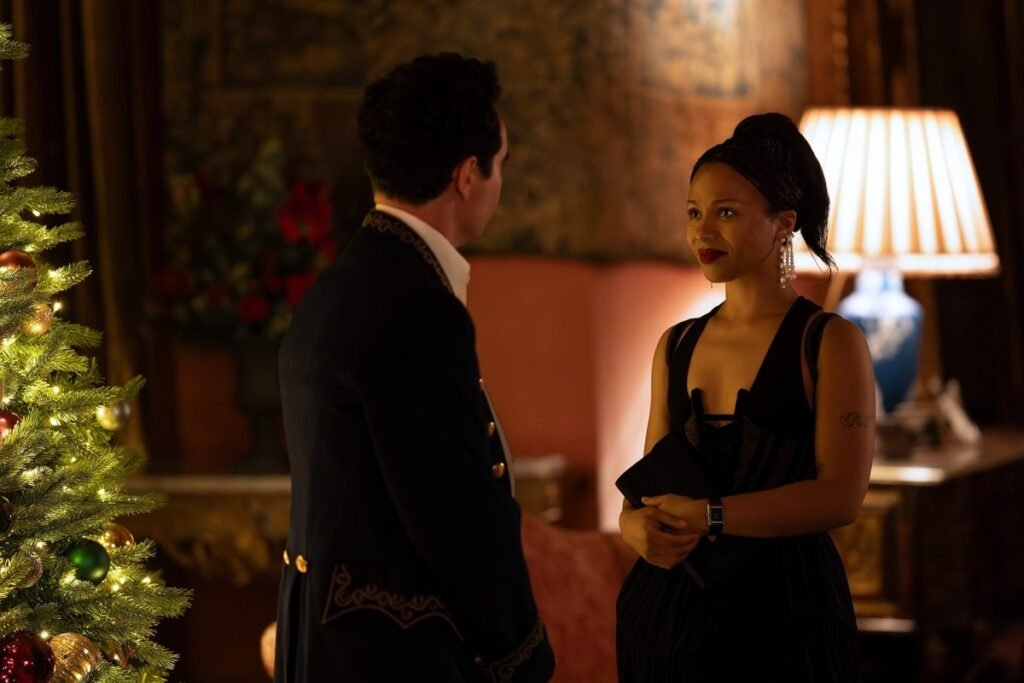
This pursuit of legitimacy puts Harper in direct conflict with her former friend Yasmin, who manages communication and lobbying for Tender. The tension highlights the show’s exploration of modern power dynamics and the influence of the British elite.

Parallels to Real-World Scandals
The narrative arc of Tender bears a striking resemblance to the collapse of the German payments company Wirecard. In that real-world case, the firm admitted that billions in reported cash likely never existed. Much like the fictional scenario, the Wirecard scandal involved complex accounting maneuvers that went unchallenged by regulators for an extended period.
Short sellers played a crucial role in exposing the Wirecard fraud, acting as “alternative whistleblowers” when traditional market oversight failed. This dynamic is echoed in Industry, where Eric encourages Harper to pursue investigative, anti-establishment work through short-only strategies.

Cultural Commentary
Beyond the financial fraud, the show incorporates broader societal critiques. Characters like Moritz, who lobbies against Western liberalism, serve as vehicles for discussing technofascism. Meanwhile, Yasmin’s increasingly hedonistic trajectory has drawn comparisons to figures like Ghislaine Maxwell, further grounding the show’s fictional excesses in contemporary public discourse regarding wealth and moral decay.