Inside Amazon’s Secretive Trainium Lab: The Future of AI
Deep within a chrome-windowed building in Austin, Texas, a specialized team of engineers is working to reshape the AI infrastructure landscape. This facility, part of Amazon’s Annapurna Labs unit, serves as the engine room for the company’s ambitious custom chip strategy, which has recently secured high-profile commitments from industry giants like OpenAI and Anthropic.
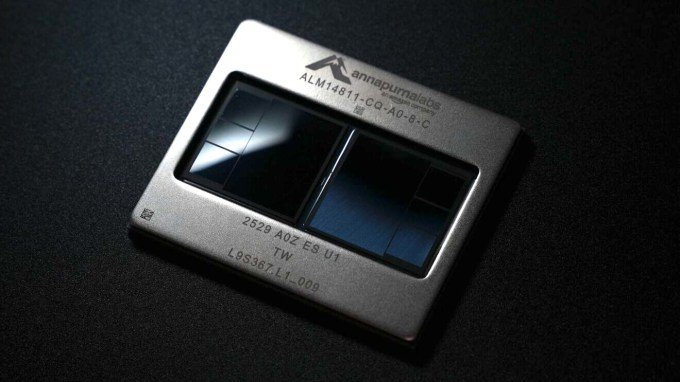
The lab is the birthplace of Trainium, a custom AI chip designed to challenge Nvidia’s market dominance by offering a more cost-effective path for AI inference. As Amazon CEO Andy Jassy recently signaled a $50 billion investment deal with OpenAI, the facility’s output has moved to the center of the cloud giant’s strategy. The deal positions AWS as the exclusive provider for OpenAI’s new AI agent builder, Frontier.
The Engineering Behind the “Bring-Up”
The core of the work here involves a process known as “silicon bring-up”—the high-stakes moment when a prototype chip is first activated. Lab director Kristopher King describes these events as intense, overnight “lock-in” sessions where engineers work around the clock to ensure the hardware functions as designed.
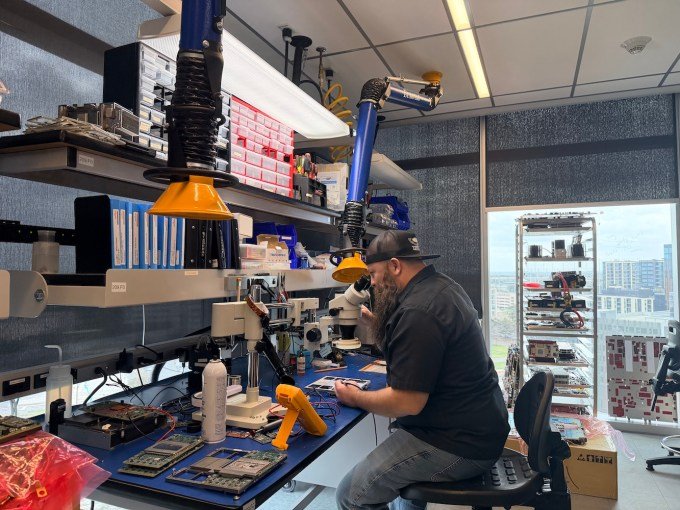
The team’s hands-on approach is evident in the lab’s industrial aesthetic, which features welding stations and custom testing gear. During the development of the Trainium3, for instance, engineers encountered a mechanical mismatch with a heat sink. Rather than delaying the process, the team opted for a manual fix, grinding down metal components in a nearby conference room to keep the project on schedule.
Scaling Inference and Efficiency
While early iterations of the chip focused on model training, the current focus has shifted toward AI inference—the process of running models to generate responses. This is where the industry currently faces its most significant performance bottlenecks.
- Capacity: Amazon has committed to supplying OpenAI with 2 gigawatts of Trainium computing capacity.
- Deployment: There are currently 1.4 million Trainium chips deployed across three generations, with over 1 million Trainium2 chips supporting Anthropic’s Claude.
- Cost: AWS claims its new Trn3 UltraServers can deliver up to 50% lower operating costs compared to standard cloud servers.
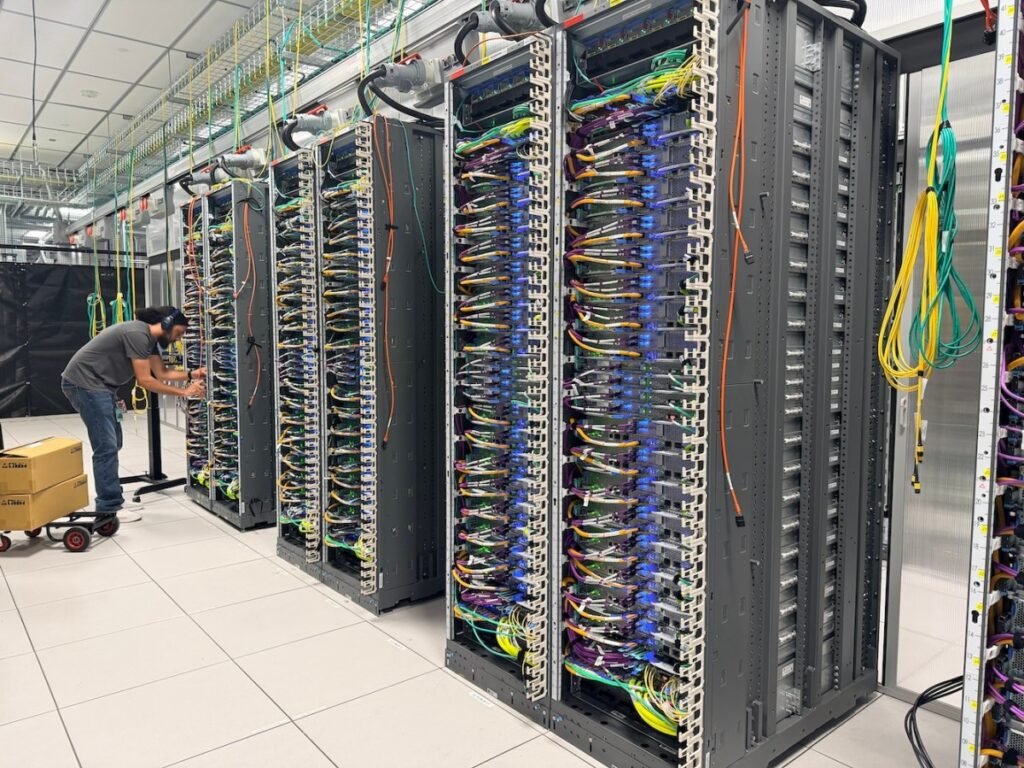
To reduce latency, the team developed custom Neuron switches, which allow every Trainium3 chip to communicate in a mesh configuration. According to director of engineering Mark Carroll, this architecture is a key driver in the chip’s performance records regarding “price per power.”
A Vertically Integrated Strategy
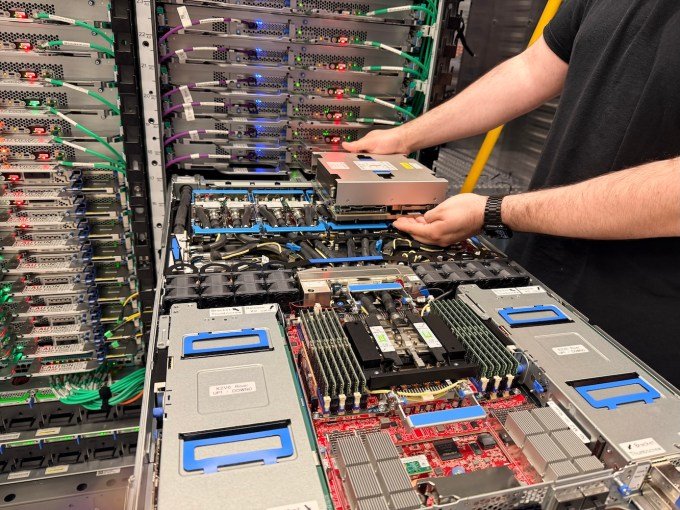
The lab’s work extends beyond the silicon itself. The team designs the “sleds”—the physical trays that house the chips—along with the Nitro virtualization technology and sophisticated liquid cooling systems. This vertical integration allows Amazon to control both the cost and the thermal performance of its data centers.
The transition to Trainium is also becoming easier for developers. Amazon reports that the hardware now supports PyTorch, the popular open-source framework, requiring minimal code changes to migrate models. This is a critical step in lowering the “switching costs” that have historically kept developers tethered to Nvidia’s ecosystem.
As the demand for AI compute continues to outpace production, the Austin team remains under significant pressure. With Jassy identifying Trainium as a “multibillion-dollar business,” the engineers in this noisy, industrial lab are already looking ahead to the development of the next iteration: Trainium4.