Intel Stock Surge: The 490% Rally Defying Chipmaker Reality
Intel has experienced a dramatic market transformation over the past twelve months, with its stock price climbing an extraordinary 490%. This massive valuation shift reflects intense investor optimism regarding the company’s turnaround efforts, though the financial performance appears to be outpacing the actual industrial progress within its manufacturing facilities.
The Strategy Under Lip-Bu Tan
Since assuming the role of CEO in March of last year, Lip-Bu Tan has prioritized high-level strategic positioning over immediate internal restructuring. His tenure has been marked by a series of significant partnerships and government engagements designed to secure Intel’s future standing in the global semiconductor market:
- Government Integration: The U.S. government has emerged as Intel’s third-largest shareholder following a favorable deal brokered under Tan’s leadership.
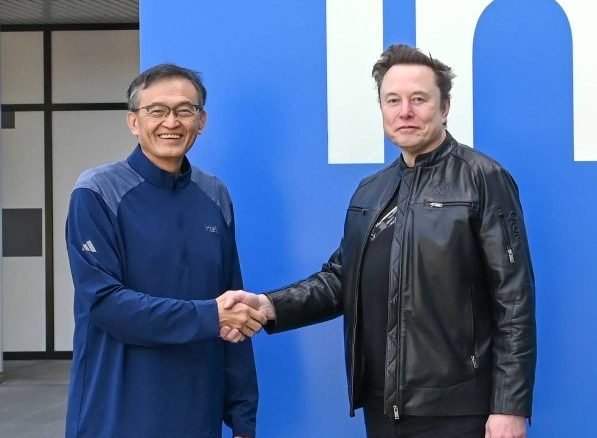
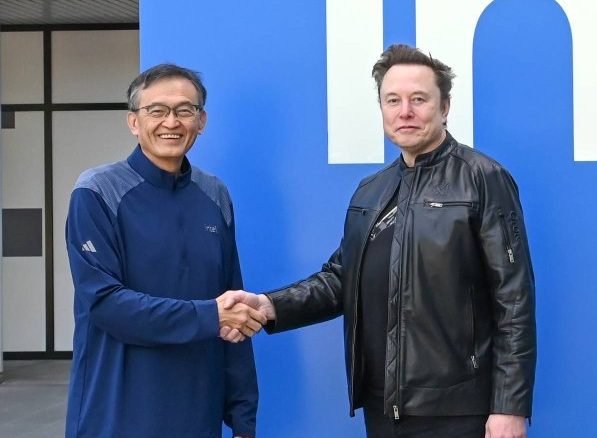
- Strategic Alliances: A high-profile factory partnership has been established with Elon Musk.
- Manufacturing Pipelines: Reports indicate the company has secured preliminary manufacturing agreements with both Tesla and Apple.
Operational Challenges Remain
Despite the fervor on Wall Street, the underlying operational reality presents a more complicated picture. Intel continues to struggle with chip yields that remain significantly behind those of TSMC, the current industry leader.
Internal feedback suggests that the transition has been difficult for staff. Employees have noted that Tan’s leadership has lacked specific operational directives, leading some departments to focus on adjusting project deadlines rather than effectively resolving the technical bottlenecks impacting production.
The core uncertainty remains whether the company can translate its recent political and corporate wins into consistent, high-quality manufacturing execution. For investors, the current trajectory is a multibillion-dollar gamble on the company’s ability to eventually match its market performance with tangible industrial output.