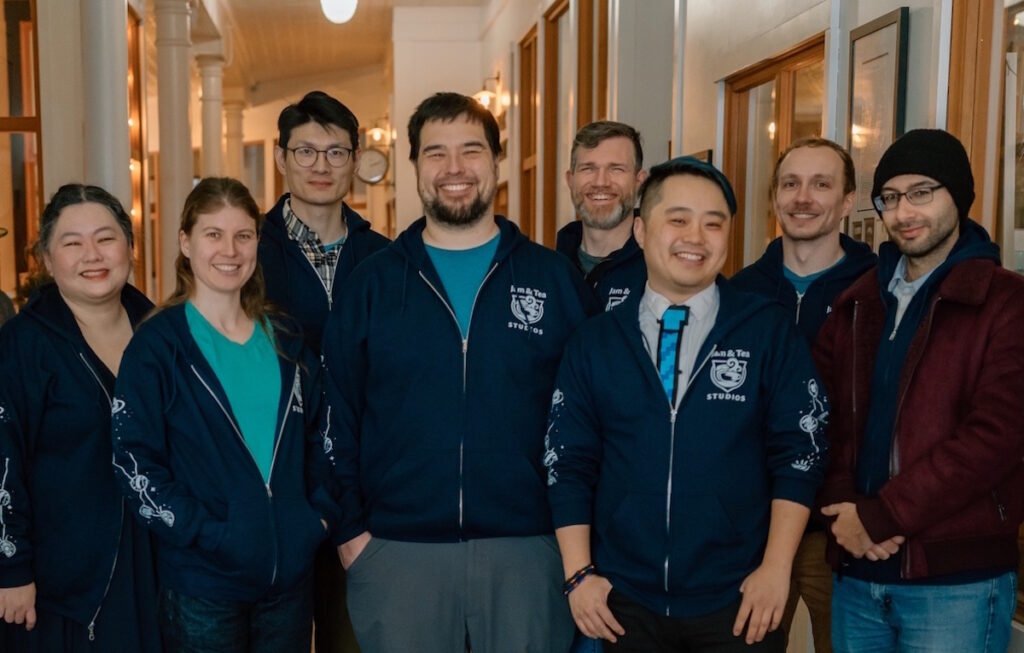
Jam & Tea Studios uses Generative AI to evolve NPC behavior
A startup founded by industry veterans from Riot Games, Wizards of the Coast, and Magic: The Gathering is looking to disrupt traditional gameplay with a new approach to non-playable characters (NPCs). Jam & Tea Studios announced this Friday that it is leveraging generative AI to move beyond rigid, scripted interactions, allowing for more fluid and unpredictable experiences in its debut title, Retail Mage.
In Retail Mage, players take on the role of a wizard working in a magical furniture shop. While the primary objective is to secure five-star customer reviews, the integration of generative AI means the NPCs—who serve as customers—can react to a wide range of player inputs. Instead of choosing from a menu of pre-written responses, players can type their own dialogue, creating a conversational environment where the results are dictated by real-time interaction rather than static code.
The Creative Role of AI
Co-founder and chief creative officer M. Yichao, previously a narrative designer for League of Legends and Guild Wars 2, emphasizes that the studio views AI as a tool to augment, not replace, human creativity. According to Yichao, the nuance of storytelling remains a human responsibility.
“Our philosophy is that we believe creatives are going to be only more essential as we move forward in using this technology and in bringing new experiences to players,” Yichao noted. He explained that developers are still responsible for defining NPC motivations, backstories, and tonal guidelines, which the AI then uses to generate dialogue in real-time.
Emergent Gameplay and Limitations
The system has already produced unexpected results during playtesting. CTO Aaron Farr, who held engineering leadership roles at Riot Games and Singularity 6, shared an anecdote where NPCs spontaneously initiated a game of hide and seek after a player mentioned being bored. “None of that was programmed; all of that was emergent behavior,” Farr said.
Despite the potential for organic interactions, the team acknowledges several hurdles inherent to Large Language Models (LLMs):
- Erratic Behavior: AI can occasionally become overly unpredictable, potentially disrupting the intended game flow.
- Hallucinations: There is a risk of the model providing incorrect information or referencing elements that do not exist within the game world.
- Guardrails: The studio is actively implementing safety measures to ensure conversations remain appropriate.
Beyond Dialogue: Item Generation
The AI engine also manages in-game object interactions. Players can attempt to create or dismantle items by stating their intentions. While the game provides default imagery for these generated items, the system interprets the player’s creative request to determine success, allowing for a degree of open-ended expression where players can “make” items that were not explicitly pre-modeled by the developers. Notably, the studio confirmed that all 2D and 3D visual assets are created by human artists, not generative AI.
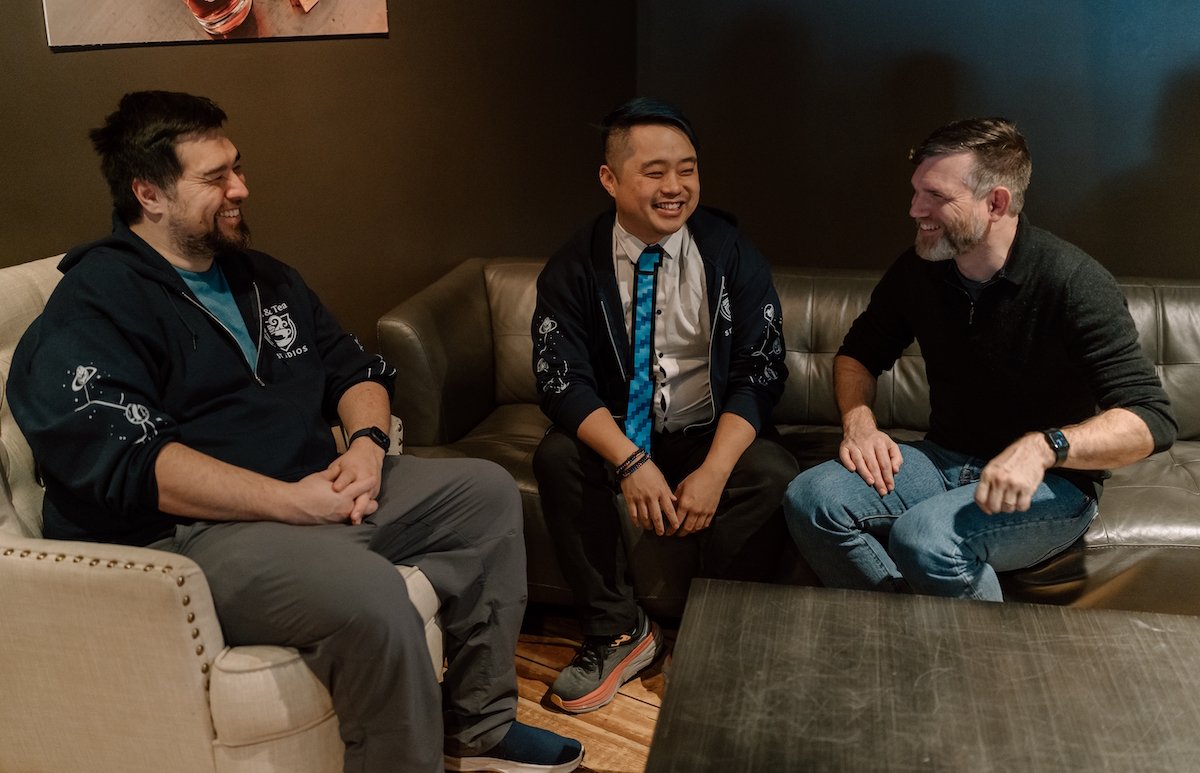
Jam & Tea has secured $3.15 million in seed funding from investors including London Venture Partners, Sisu Game Ventures, and 1Up Ventures. As the studio refines its technology, it continues to experiment with various LLMs, including models from OpenAI, Google, Mistral AI, and Meta. Retail Mage is currently scheduled for a PC release later this fall, with the studio also developing a more complex project internally, referred to as “Project Emily.”