Japan’s Go Targets Robotaxis After Major IPO Launch
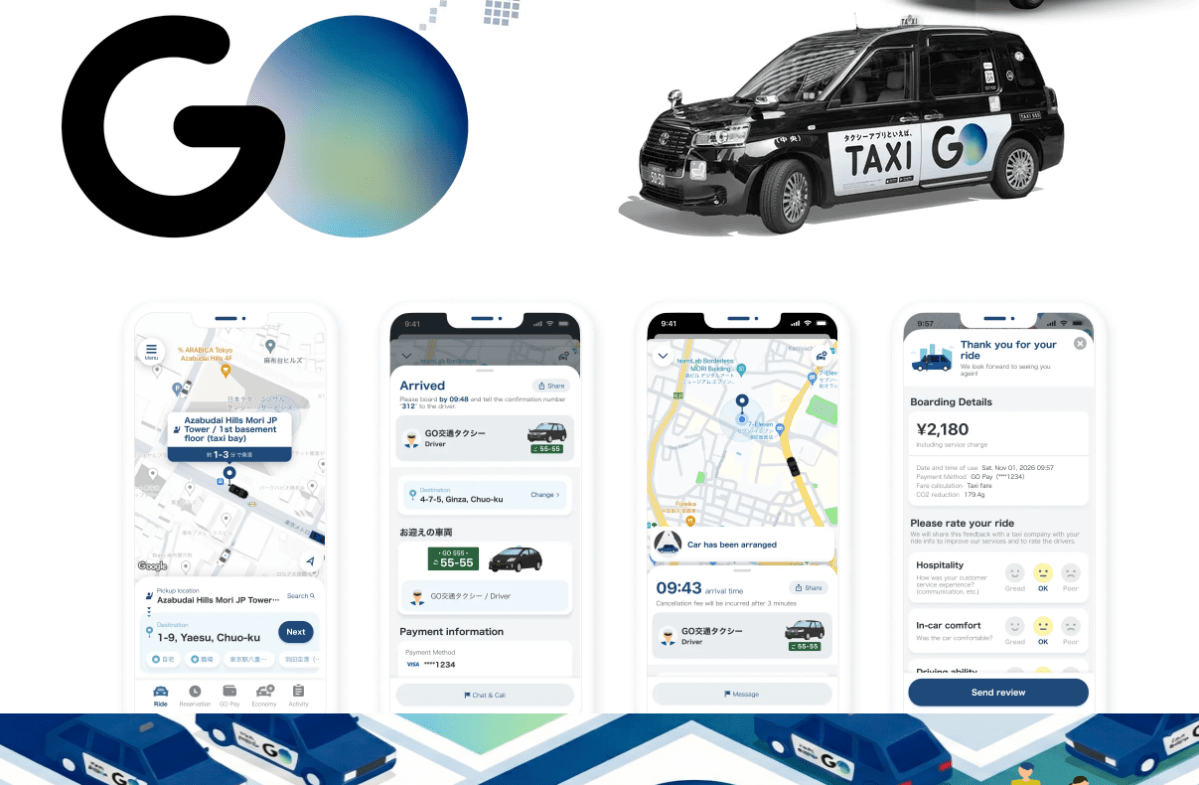
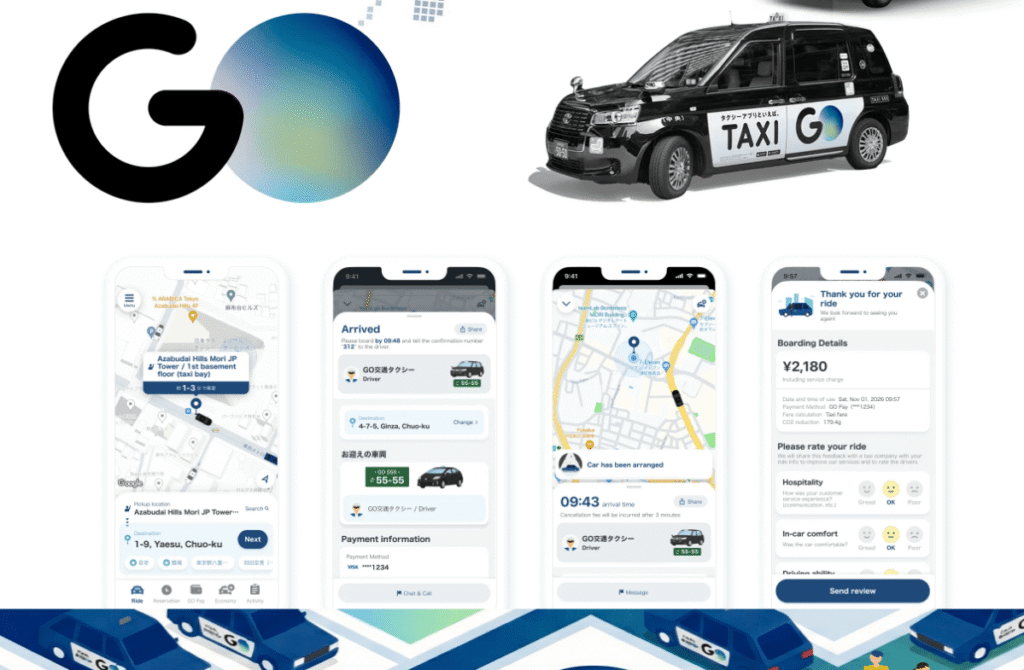
Go, the operator of Japan’s most prominent ride-hailing app, has secured a significant capital injection following the country’s largest initial public offering of 2026. The firm raised ¥88.6 billion ($553 million) on Tuesday, providing the necessary liquidity to combat a critical labor shortage currently destabilizing the Japanese taxi sector.
The company confirmed it will dedicate ¥8 billion ($50 million) of the proceeds to advance its robotaxi initiatives and fund strategic mergers and acquisitions. According to a spokesperson, this capital will support research and development in autonomous technology as well as business expansions both within and beyond the traditional taxi industry.
Addressing the Driver Shortage
The push toward automation is a strategic response to a shrinking workforce. Data from Japan’s Ministry of Land, Infrastructure, Transport and Tourism indicates that the number of taxi drivers has plummeted by approximately 20% in recent years. With an aging national population, this trend is unlikely to reverse, leading to widespread industry instability.
While Japan introduced limited ride-sharing services in 2024, strict regulatory requirements—such as the mandate that drivers must be employed by taxi companies—have failed to bridge the gap. Consequently, Go views autonomous vehicles as an existential necessity rather than a luxury upgrade.
Current Market Position and Strategy
Originally established in 1977 as a provider of contract management systems for drivers, Go has evolved into a dominant digital platform. The company currently reports:
- 35 million app downloads.
- A network of 85,000 partner vehicles.
- A 70% market share among monthly active taxi app users across all 47 Japanese prefectures.
Despite this scale, the company’s debut on the public market faced a tepid reception. Shares closed at ¥2,314 on Friday, marking a 4% decline from the initial offering price of ¥2,400. The IPO drew interest from major institutional investors, including BlackRock, Wellington Management, and M&G Investment Management, even as the broader Japanese government encourages startups to prioritize private sales over public listings.
Autonomous Ambitions and Competition
Go is not developing its own autonomous driving systems, with CEO Hiroshi Nakajima clarifying that the company will remain focused on strategic coordination. To that end, Go has established a partnership with Waymo and the major operator Nihon Kotsu. While there is no fixed timeline for driverless operations, the firm intends to launch fully autonomous services once technology is validated and regulatory approval is granted.
The Japanese market is becoming a focal point for global autonomous players. Competition is intensifying as other entities move to capture the sector:
- Uber, Wayve, and Nissan: These companies have announced plans to pilot robotaxi services in Tokyo by late 2026, utilizing Nissan Leaf EVs.
- International Integration: Go is currently bolstering its traditional business by partnering with platforms like Kakao T, Alipay, and WeChat Pay to allow travelers from South Korea, China, and Taiwan to hail rides via their native applications.
- Market Rivals: Competitors like S.Ride and Didi Mobility Japan are also actively pursuing partnerships to service the growing influx of international tourists.