K2 Space to Launch High-Power Gravitas Satellite This Month
K2 Space is preparing for a pivotal milestone in orbital infrastructure, with the upcoming launch of its Gravitas spacecraft. Designed to push the boundaries of energy generation in orbit, the mission is set to demonstrate the power capabilities required to eventually host data centers in space.
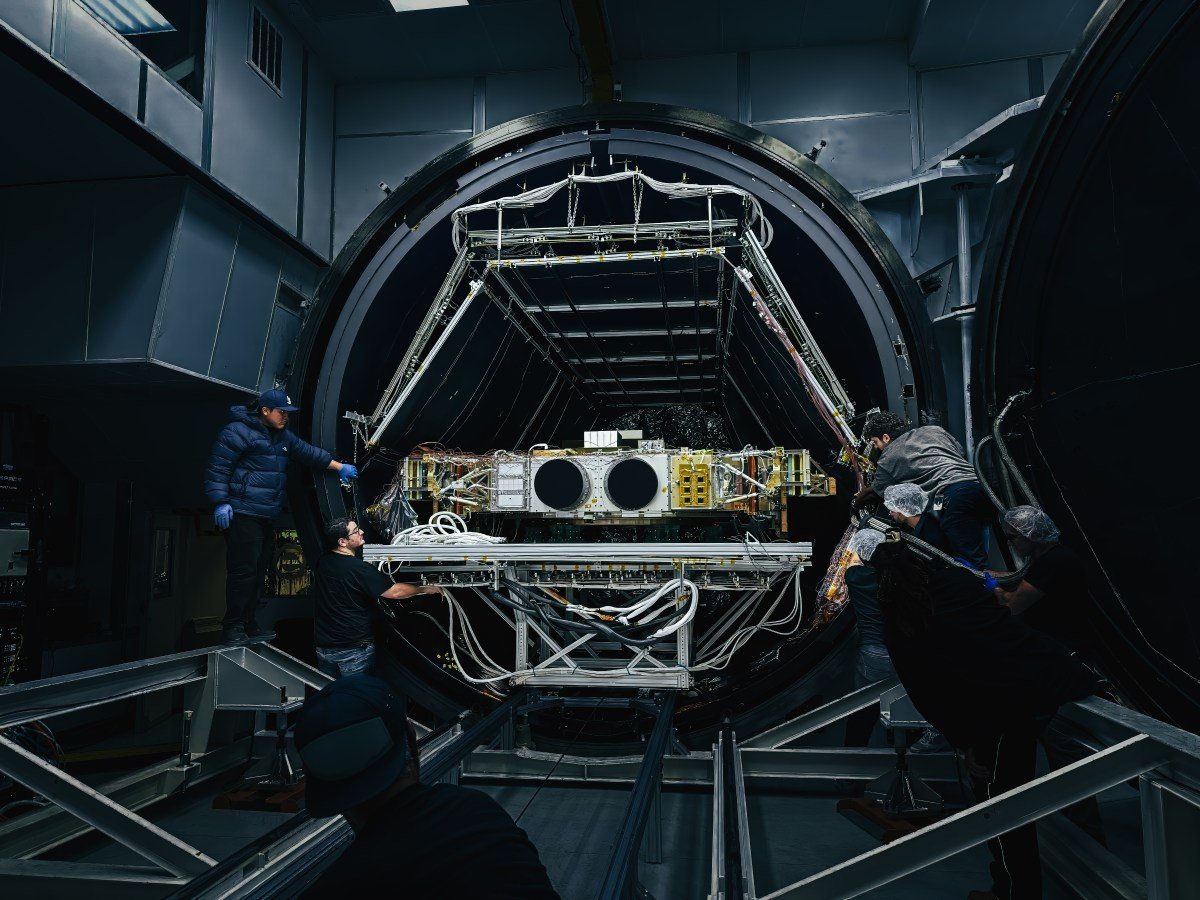
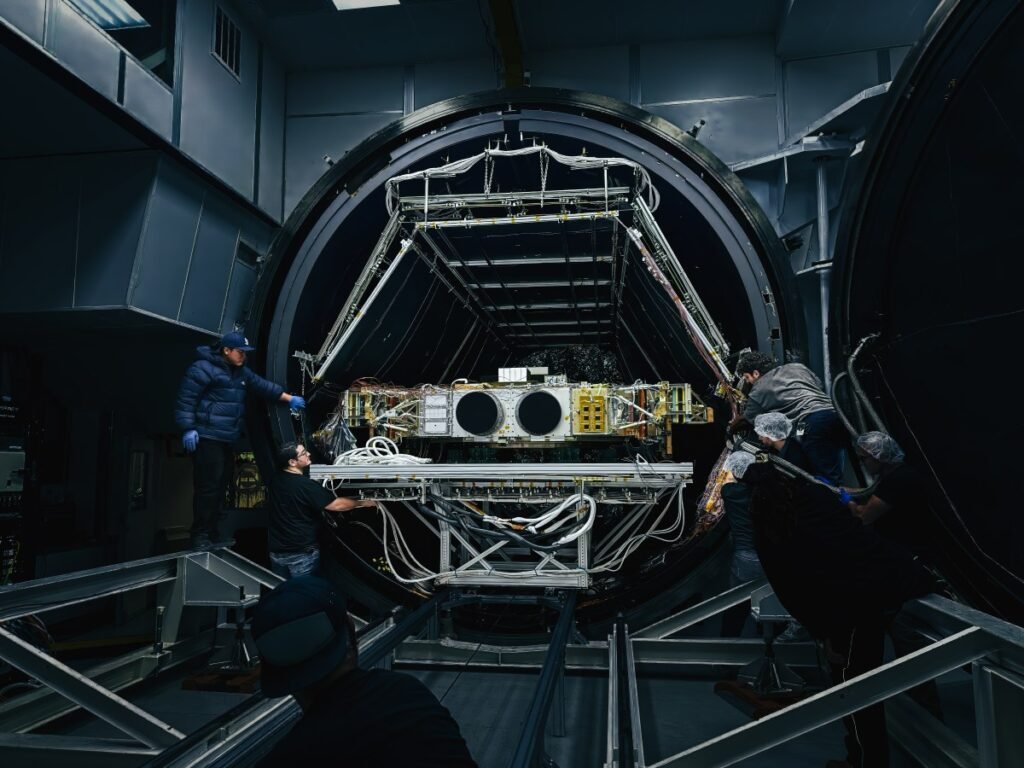
The company, established in 2022 by former SpaceX engineers Karan and Neel Kunjur, has integrated the Gravitas satellite into a SpaceX Falcon 9 rocket. The launch is currently targeted for the end of this month. With a mass of two metric tons and a wingspan of 40 meters when its solar arrays are deployed, the spacecraft represents a significant leap in scale.
Unprecedented Orbital Power
At the core of the mission is the ability to generate 20 kW of electricity. This capacity allows the spacecraft to support demanding payloads, including advanced sensors, transceivers, and high-performance computing hardware. While most satellites operate on a significantly smaller power budget, K2’s design aligns with the output of heavy-duty craft like the ViaSat-3 and the projected capabilities of Starlink’s V3 generation.
“The future is higher power,” said CEO Karan Kunjur. The company has secured $450 million in funding to pursue this vision, reaching a $3 billion valuation in December 2025.
Mission Objectives and Testing
The Gravitas mission will carry 12 undisclosed payload modules for various clients, including the Department of Defense. It will also test a 20 kW electric thruster, which the company claims will be the most powerful ever deployed in space. Kunjur outlined a tiered approach to evaluating the mission’s success:
- Deployment and Power: Confirming the spacecraft is operational and generating its target electricity.
- Payload Integration: Running the customer modules and testing the electric thruster.
- Orbital Maneuvering: Utilizing the thruster to increase the spacecraft’s altitude by thousands of kilometers.
Scaling for Future Networks
K2 Space maintains that 85% of the Gravitas components were developed in-house, a necessity given the rapid iteration cycles the company plans to follow. Following this demonstration, the startup aims to launch 11 additional satellites over the next two years. By 2028, the goal is to supply commercial networks with high-powered vehicles.
The drive toward higher electrical output is fueled by the growing needs of K2 Space‘s potential customers, which include major communications providers and government defense agencies. As data processing moves off-planet, the demand for high-capacity processors becomes more pronounced.
Economic Feasibility and Heavy Lift
While the cost of space transport remains a hurdle, Kunjur believes the current price point of $15 million per satellite offers a competitive advantage over traditional contractors. Although the company’s long-term strategy relies on the cost-reduction potential of SpaceX’s Starship, they are not waiting for its full operational status to innovate.
K2 is already looking toward larger configurations. The company currently has designs for a 100 kW satellite ready for production, intended to capture the market as heavy-lift launch vehicles like Starship and New Glenn become widely available.