
Kagi Brings Its Human-Only ‘Small Web’ to Mobile Devices
to counter the rise of AI-generated internet clutter.
TAGS: Kagi, Small Web, Search Engines, Mobile Apps, Internet Culture
CONTEUDO:
The Palo Alto-based search engine Kagi is taking a stand against the deluge of AI-generated content by expanding its “Small Web” project to mobile devices. New dedicated applications are now available for both iOS and Android, offering a curated portal into a digital space built exclusively by people.
Kagi defines the “Small Web” as a collection of non-commercial, human-authored properties, including personal blogs, webcomics, and independent video channels. This initiative seeks to revive the spirit of the early internet, prioritizing original human creativity over the ad-supported, corporate-dominated platforms that currently dictate much of the web experience.
Exploring the Indie Web
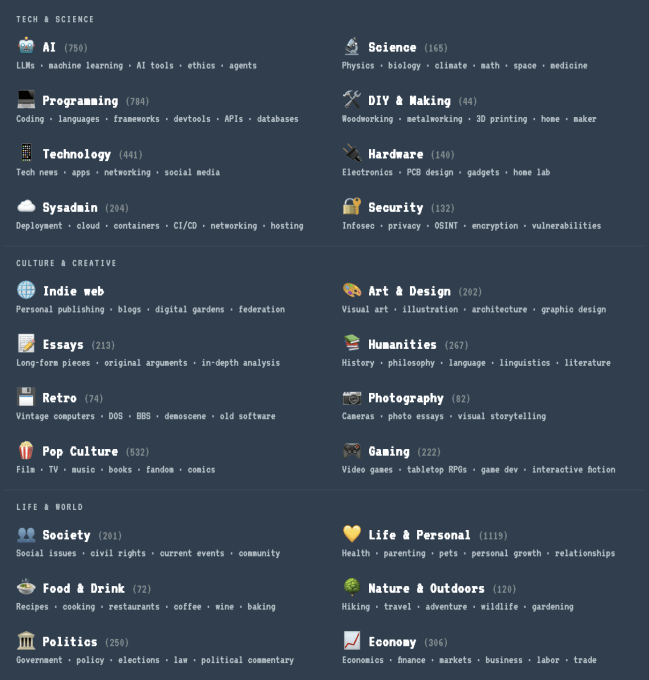
Originally introduced in 2023, the Small Web project has evolved from a search feature into a broader ecosystem that now includes browser extensions and mobile apps. The Small Web platform functions similarly to the classic discovery tool StumbleUpon, allowing users to move randomly between sites. With a current index exceeding 30,000 entries, the service now allows users to filter content by category, including:
- Personal blogs
- Independent video channels
- Webcomics
- Code repositories
The mobile experience provides a distraction-free reading mode, the ability to save favorite articles for later, and access to lists of popular or recently viewed content.
Community Feedback and Challenges
While the effort to highlight indie content is welcomed, some users have expressed concerns regarding the implementation. On the Hacker News forum, critics pointed out that Kagi’s reliance on RSS feeds for site inclusion may inadvertently exclude unique, experimental web pages. Additionally, there have been reports of AI-generated content appearing within the curated list, challenging the “human-only” premise of the project.
Despite these hurdles, Kagi remains committed to the project as it seeks to differentiate itself from traditional search engines like Google. Users interested in contributing to the collection can suggest new sites via the project’s GitHub repository.