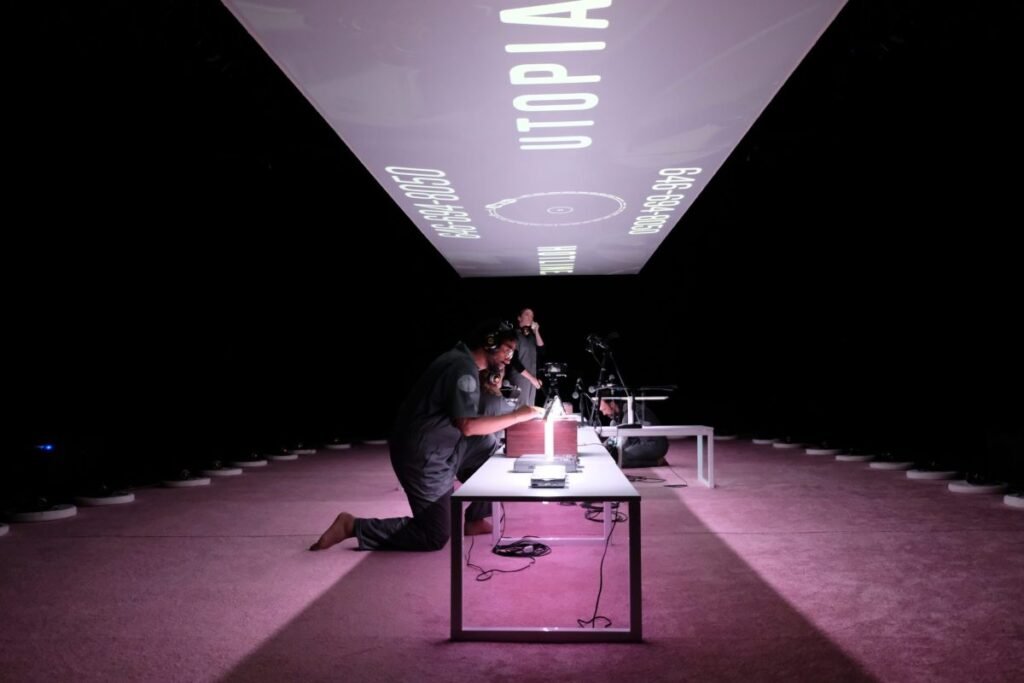
Lincoln Center Names New Cohort for Tech-Arts Fellowship
The Lincoln Center for the Performing Arts has unveiled its second class of Collider Fellows, a group of six multidisciplinary artists tasked with investigating how emerging technologies—ranging from artificial intelligence to immersive soundscapes—can redefine the future of live performance.
At a time when the broader cultural sector remains cautious about the influence of automation and digital tools, the Lincoln Center for the Performing Arts’ Collider Fellowship takes a collaborative approach. The program provides participants with studio space at Lincoln Center and Onassis ONX, alongside financial support and guidance from the institution’s staff for a nine-month duration.
Jordana Leigh, the center’s vice president of programming, emphasizes that the fellowship is intentionally “non-transactional.” Unlike traditional artist residencies, the program does not mandate a final deliverable. Leigh notes that the inaugural cohort demonstrated the value of this flexibility, with some fellows producing multiple prototypes while others prioritized research, reading, and creative rejuvenation.
“I love that they’re all really thoughtful people who are not just thinking about [the work] itself, but how it fits into a larger conversation in arts and technology,” Leigh said. Addressing industry anxieties regarding AI, she views the technology as a functional tool—akin to a paintbrush or a sound mixer—rather than a replacement for human creativity.
The 2025-2026 Collider Fellows
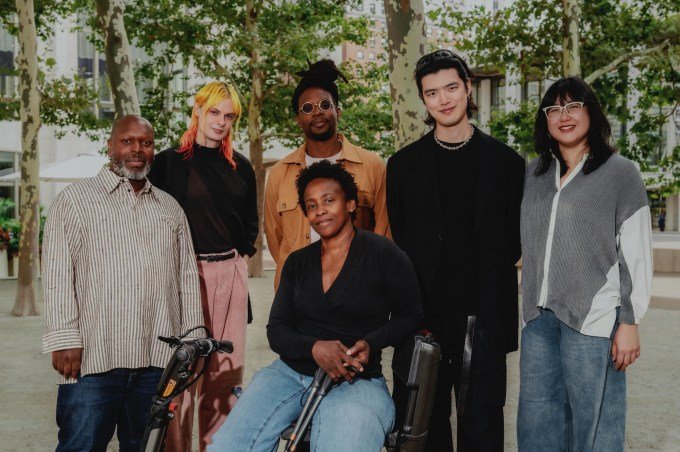
The selected artists bring diverse expertise to the program, focusing on themes of identity, memory, and spatial experience:
- Cinthia Chen: A technologist and artist who merges installation, projection design, and performance to examine spiritual futurism and hybrid identities.
- Sam Rolfes: A virtual performer and co-director of Team Rolfes, known for motion-capture work and visual collaborations with artists like Lady Gaga and Arca.
- James Allister Sprang: The first U.S.-based artist to utilize the 4D sound system, focusing on sensory experiences related to the Black interior and diasporic history.
- Stephanie Dinkins: An educator and transdisciplinary artist recognized by Time Magazine for her work on AI, race, and future histories.
- Kevin Peter He: An artist blending cinema, game engines, and dance to explore how technology influences physical embodiment and narrative.
- Dr. Rashaad Newsome: A Whitney Biennial alum whose practice integrates robotics, collage, and AI to investigate queer and Black cultural expression.
Leigh points to previous initiatives, such as Nona Hendryx’s Dream Machine, as evidence of how these technologies can broaden accessibility. By utilizing VR and AR to create Afrofuturist environments, such projects allow underrepresented groups to see themselves reflected in the technological landscape.