
Meta Scales Back Metaverse as Reality Labs Sees Layoffs
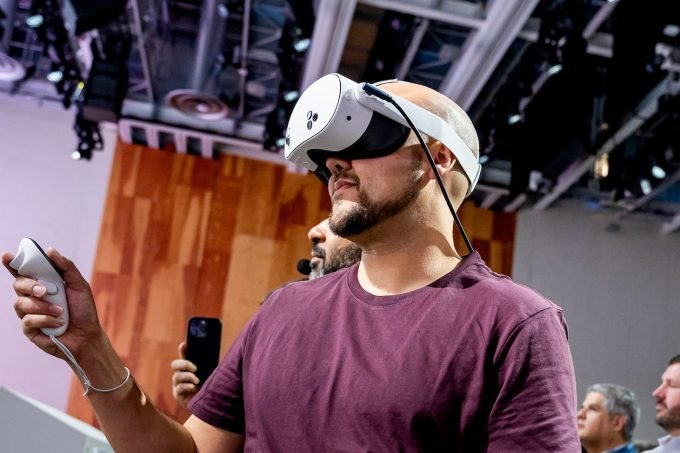
Meta has signaled a definitive retreat from its ambitious metaverse strategy, confirming the layoff of approximately 1,500 employees within its Reality Labs division. This reduction represents roughly 10% of the unit’s total staff and coincides with the closure of several virtual reality game studios, marking a significant pivot for a company that staked its future on the concept just four years ago.
The restructuring follows a period of extreme financial strain for the division. Reality Labs has hemorrhaged an estimated $73 billion, a staggering figure that highlights the lack of commercial viability for the platform. Investors have long expressed concern over the project, which failed to generate a profit despite massive capital injection.
A Strategic Pivot to AI
The company is now realigning its resources toward artificial intelligence. This shift is underscored by the discontinuation of several key VR initiatives, including the “Workrooms” program, which aimed to integrate virtual reality into professional environments.
The recent cuts have impacted several high-profile studios responsible for VR titles, including:
- Armature Studio: Known for “Resident Evil 4 VR.”
- Twisted Pixel: Developers of “Marvel’s Deadpool VR.”
- Sanzaru: The team behind “Asgard’s Wrath.”
- Camouflaj: The studio behind “Batman: Arkham Shadow.”
Additionally, the VR fitness app Supernatural—acquired by Meta in 2023 for $400 million—will cease new content production and shift into a maintenance-only phase.
The Failure of the Metaverse Vision
Meta’s initial bet was rooted in the belief that Gen Z would prefer socializing in virtual worlds like Horizon Worlds over traditional social media. However, consumer demand remained tepid. Counterpoint Research data indicates that global VR headset shipments declined by 12% year-over-year in 2024, marking the third consecutive year of falling sales.
Beyond low adoption, the project faced intense scrutiny over user safety. Meta was widely criticized for being reactive rather than proactive regarding harassment and virtual assault within its platforms. The eventual implementation of a “Personal Boundary” feature arrived only after significant public outcry, and even then, the company faced challenges in effectively moderating behavior.

Success in Smart Glasses
While the virtual reality division struggles, Meta has found unexpected success with its Ray-Ban smart glasses. The devices, which incorporate AI features for hands-free recording and interaction, have seen such high demand that the company is reportedly considering doubling production output.
For Meta, the path forward appears to be firmly rooted in large language models and AI-integrated hardware, leaving the dream of an immersive, VR-based metaverse as a relic of a previous corporate strategy.