Meta Tests Restricting Link Posts on Facebook Professional Accounts
Creation, Meta Verified
CONTEUDO:
Meta is currently trialing a restriction on the number of external links that can be shared by Facebook Pages and accounts using professional mode. This new experiment effectively creates a tiered system where users may be required to maintain a Meta Verified subscription—which starts at $14.99 per month—to bypass posting caps.
Social media strategist Matt Navarra first identified the test, highlighting that affected users are limited to sharing just two links. While the platform has not implemented a total block on external content, the policy change could significantly disrupt the workflows of brands and creators who rely on driving traffic to personal blogs or third-party websites.
Scope of the Restriction
According to clarifications provided by the company to TechCrunch, the test specifically targets professional mode profiles and Pages. However, the limitation does not apply to all types of outbound traffic. Users are still permitted to post:
- Affiliate links
- Links within the comments section
- References to content hosted on Meta platforms, including Instagram, WhatsApp, and other Facebook posts
A Meta spokesperson stated that the goal of the test is to determine whether providing increased link-sharing volume adds tangible value for Meta Verified subscribers. The company confirmed that professional publishers are currently excluded from this trial.
Broader Implications for the Web
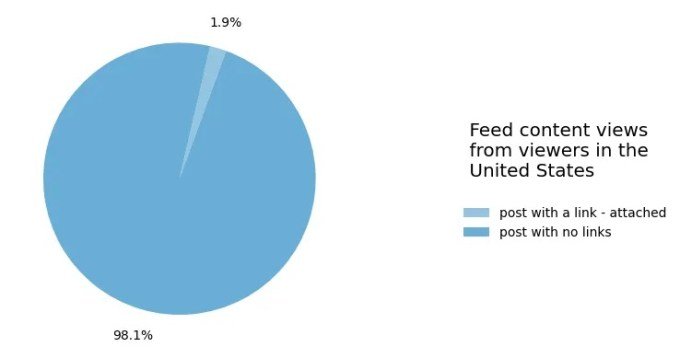
This move aligns with a growing industry trend of social networks attempting to keep audiences within their own ecosystems. Meta’s own transparency report for Q3 revealed that over 98% of views on U.S. feeds come from posts that do not contain links, suggesting that native content already dominates user engagement.
By forcing brands to choose between paying for a subscription or shifting their content strategy to prioritize internal links, Meta is navigating a challenging landscape where AI-driven search and summary tools have already strained the traditional link-based web. Should the test expand, it could fundamentally alter how digital creators reach audiences outside of the Meta-owned environment.