
Netflix Acquires Ready Player Me to Boost Gaming Avatars
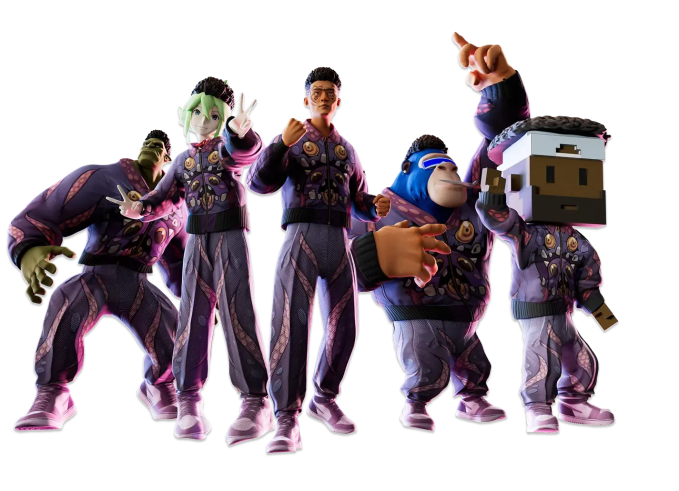
Netflix is deepening its investment in interactive entertainment by acquiring Ready Player Me, an Estonian startup specializing in cross-platform avatar creation. The move signals a strategic pivot as the streaming giant looks to standardize user identity across its growing collection of titles.
Integration and Future Plans
While financial terms of the acquisition remain confidential, the integration will involve approximately 20 members of the startup’s staff joining the Netflix team. Among the four founders—Rainer Selvet, Haver Järveoja, Kaspar Tiri, and Timmu Tõke—only CTO Rainer Selvet is transitioning to the company.
Ready Player Me previously secured $72 million in venture capital from firms including a16z, Endeavor, and Konvoy Ventures, alongside angel investors with backgrounds in Roblox and Twitch. Following the deal, the startup will wind down its public services, such as the PlayerZero tool, on January 31, 2026.
Timmu Tõke, CEO of Ready Player Me, noted in a statement that the company’s long-term goal has been to allow identities to travel across virtual worlds. “I’m now very excited for the Ready Player Me team to join Netflix to scale our tech and expertise to a global audience,” Tõke added.
A New Direction for Netflix Games
Netflix is currently recalibrating its gaming strategy under the leadership of Alain Tascan, the former Epic Games executive who took the role of president of games last year. The company is shifting away from its initial approach of aggressive studio acquisitions—many of which were shuttered or returned to their founders—to focus on titles better suited for TV and interactive audience engagement.

The current roadmap prioritizes:
- Party games for TV and mobile platforms.
- Narrative-driven content.
- Mainstream titles including recent additions like WWE 2K25 and an upcoming FIFA title for the 2026 World Cup.
- Live interactive experiences, such as the “Best Guess” game show.
Netflix is increasingly drawing parallels between its gaming offerings and the interactive elements found in reality television, such as real-time audience voting. While the company continues to experiment, the success of this strategy depends on whether subscribers, accustomed to passive content consumption, will embrace the platform as an interactive gaming destination.