Ohm’s Quest: Steampunk Puzzle Console Brings Escape Rooms Home
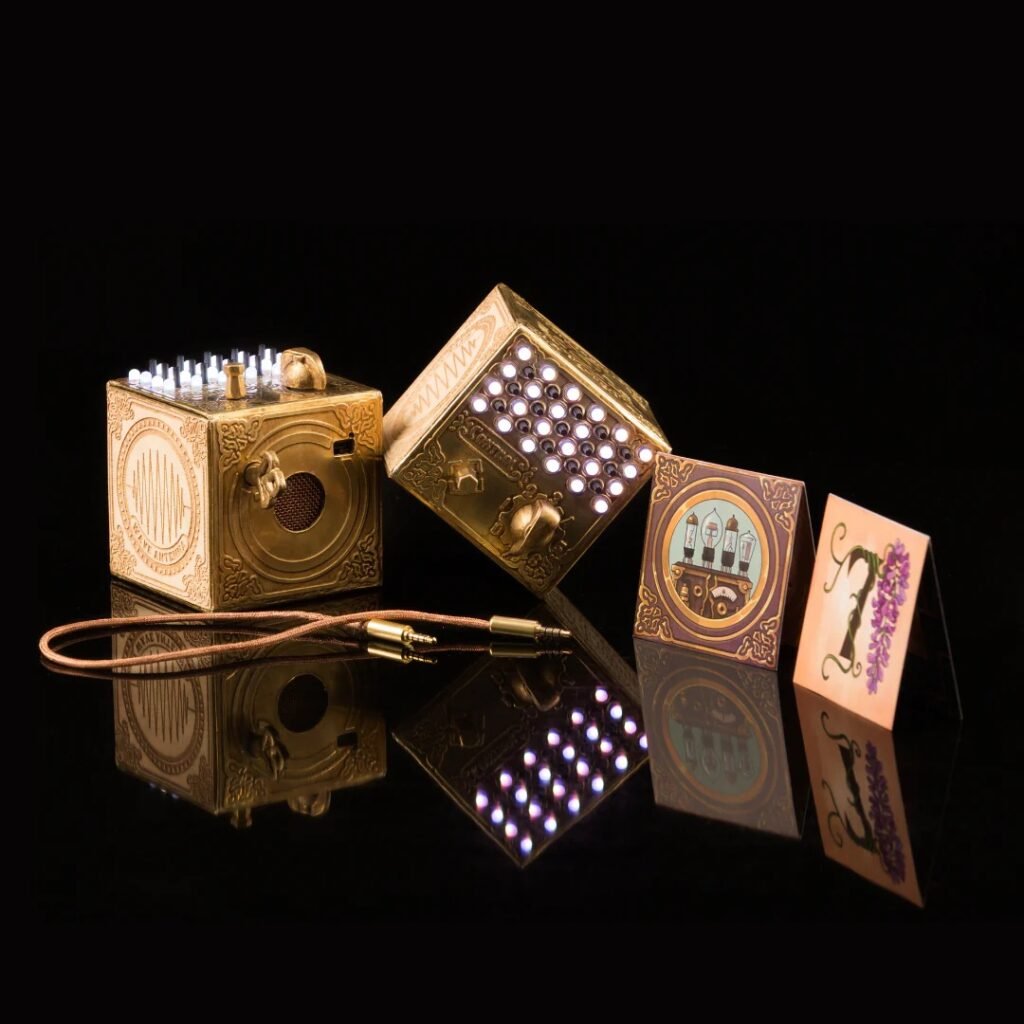
Ohm’s Quest is blurring the lines between tabletop gaming and immersive technology with a new steampunk-inspired console. The device functions as an interactive escape room experience that players can enjoy from home, utilizing specialized cubes to guide narrative-driven puzzles.
The project, which has already secured over €230,000 from more than 1,000 backers via Kickstarter and Indiegogo, is scheduled to begin shipping in early 2024. The starter kit is currently priced at $249.
How the Hardware Works
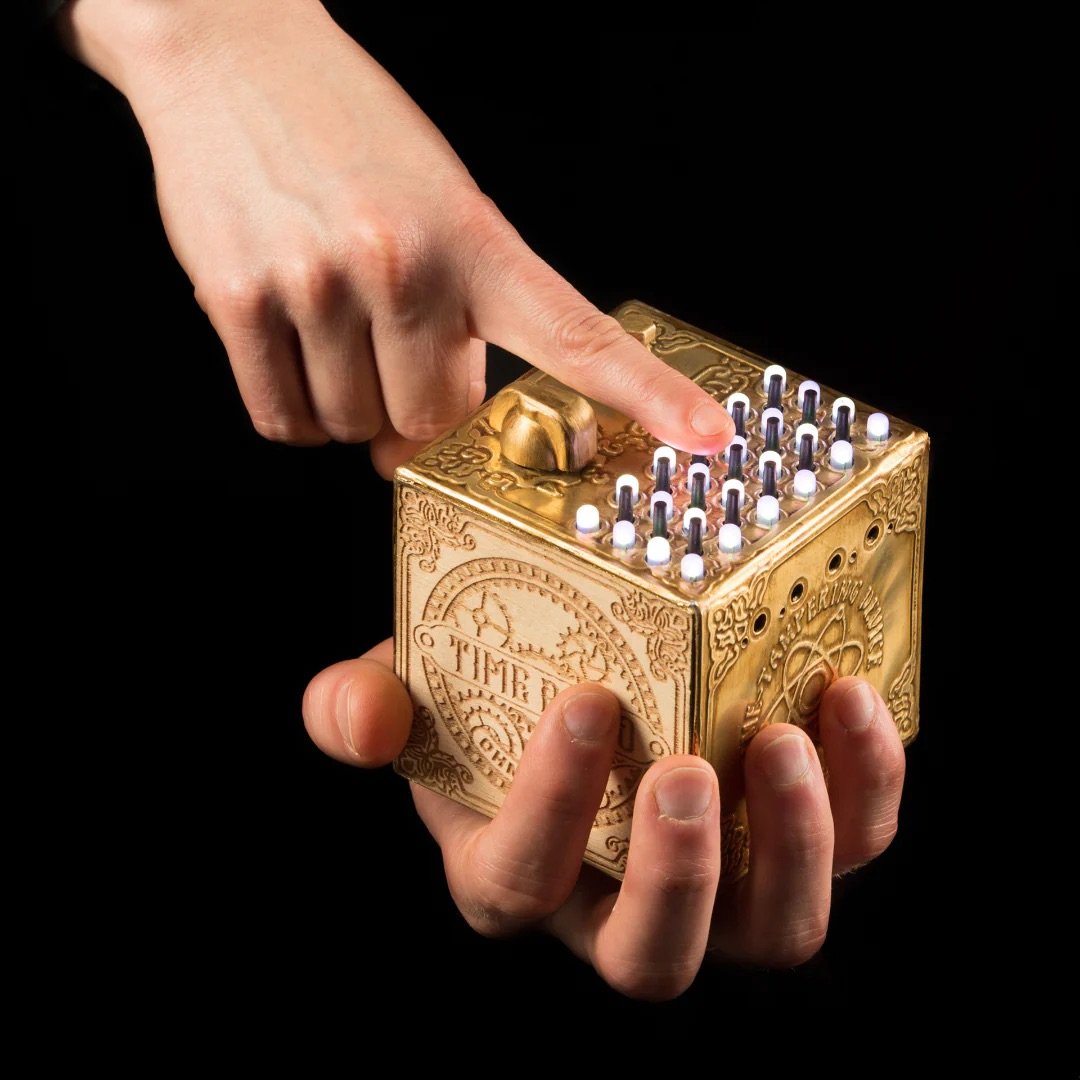
The core of the system is a pair of cubes equipped with wireless communication, internal speakers, accelerometers, and small displays for status updates or countdown timers. Players interact with the devices via a control panel featuring LED-enabled buttons, a dial, and a directional joystick.
“We design audio stories in which you are the hero,” said co-founder and CTO Allison Klopp. “You play together with a team against the story. As a result, there are characters in the story who need your help to solve problems.”
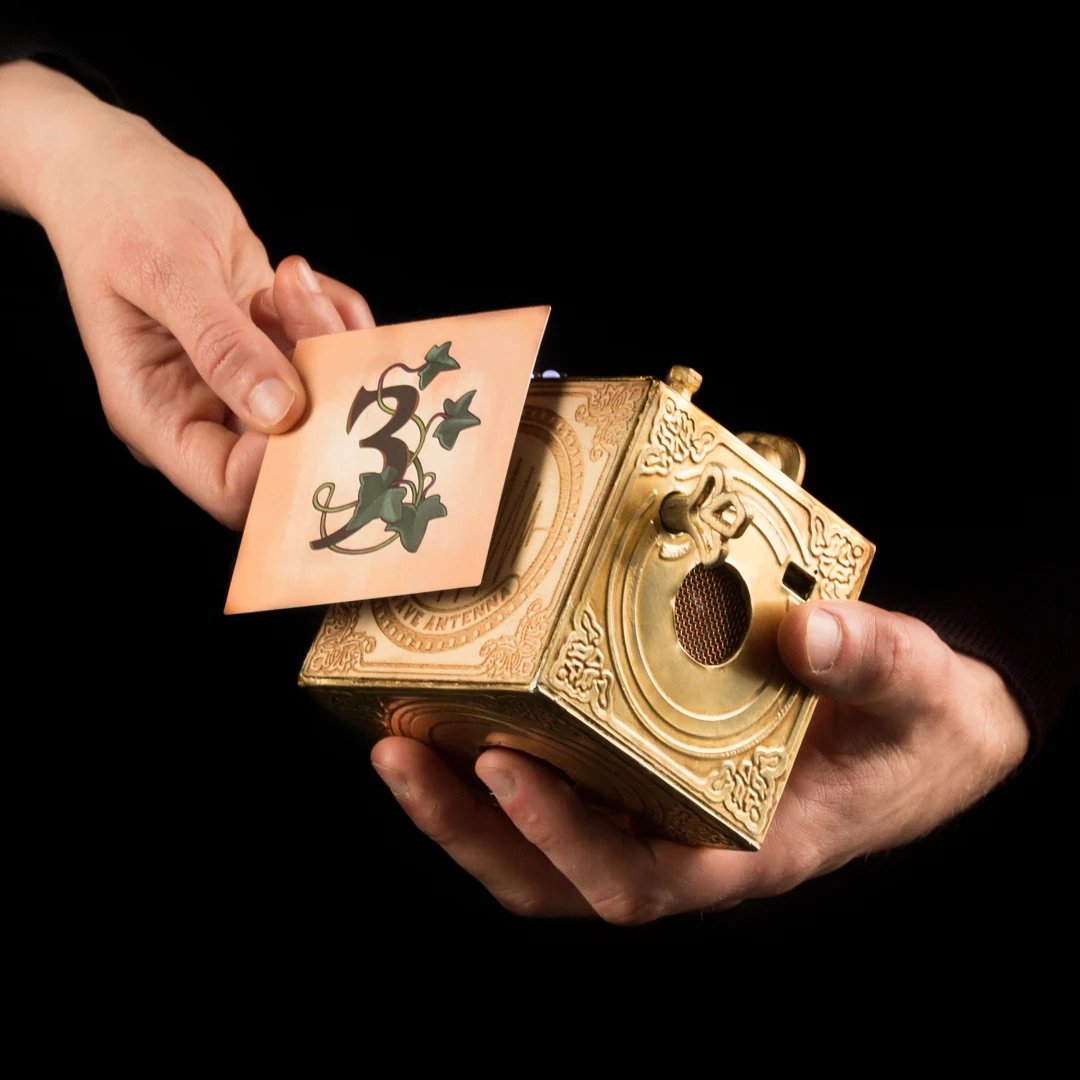
To ground the digital experience, the team integrates physical elements. “As these interfaces come without any context, we add context with cardboard elements, such as cards, instruction manuals, game boards,” explained co-founder and CEO Etienne Pouget. Many of these components include NFC tags, allowing the cubes to register physical objects during gameplay.
Gameplay and Future Expansion
The system supports a variety of challenges, ranging from sound mixing and complex labyrinths to interrogating virtual suspects. The developers plan to support the hardware with a monthly release schedule for new stories, managed through an upcoming mobile app.
- Digital-only content: Stories that users can purchase and print at home.
- Physical kits: New stories bundled with specialized figurines, boards, and cards.
- Creator Mode: A platform for fans to design their own stories, with potential for professional illustration support and compensation.
Looking further ahead, the team is exploring new hardware iterations to expand the sensory experience of the games. “The one we’re dreaming of is a cube with an olfactory interface to create investigations using scents,” said Pouget.