Ozlo Pivots to Data Platform as CES Reveals New Strategy
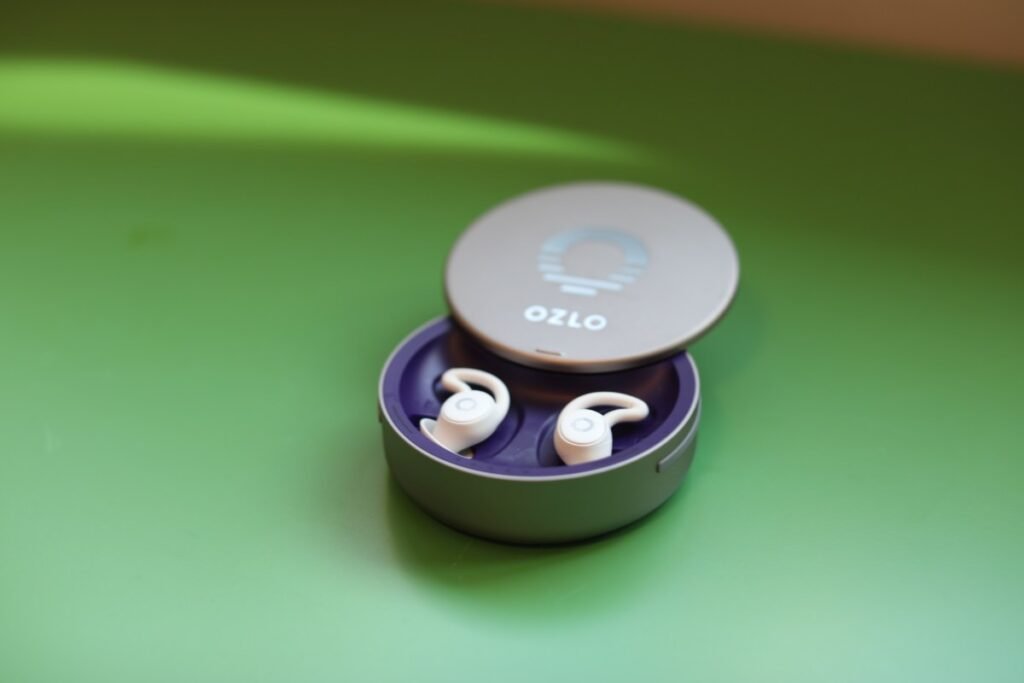
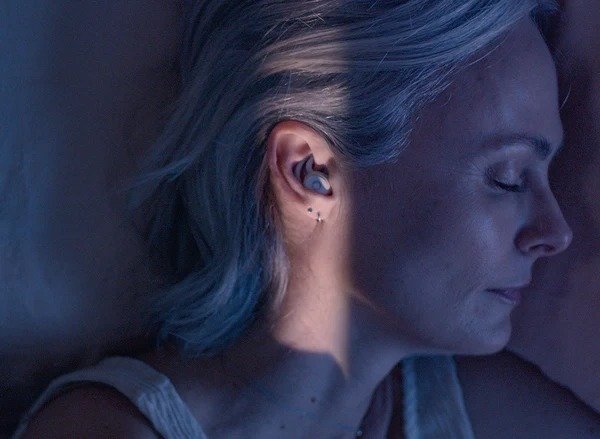
Ozlo, the manufacturer known for its noise-masking Sleepbuds, is shifting its business model from a standalone hardware provider to a comprehensive sleep data platform. The company, founded by former Bose employees, is leveraging its proprietary SDK to integrate sleep analytics with third-party wellness applications.
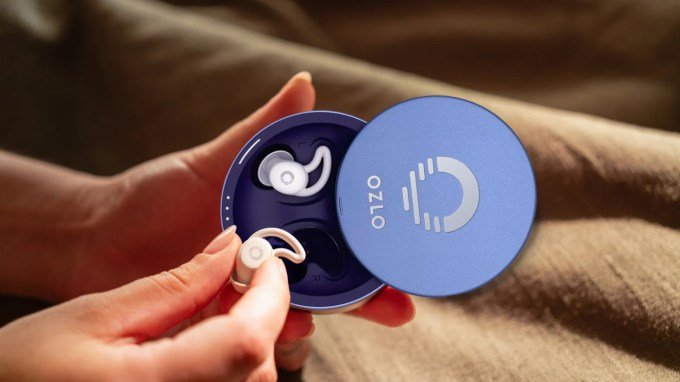
During the Consumer Electronics Show (CES) in Las Vegas, CEO NB Patil outlined a vision where Ozlo’s sensors—which track respiration and body movement—provide actionable feedback to content creators. By sharing anonymized data, apps like Calm could eventually determine if specific meditation or sleep-aid content is effectively helping users reach a state of rest.
Expanding the Ecosystem
The company’s strategy involves two distinct goals: enabling real-time interventions and providing data to content creators who currently lack field-based metrics. Patil noted that many meditation apps invest heavily in content volume without understanding actual efficacy. Ozlo’s platform aims to close this loop, potentially opening new revenue streams through subscription-based software features.
Key developments planned for the second quarter of 2026 include:
- AI Sleep Buddy: An AI-powered agent designed to interact with users and analyze sleep patterns.
- Tinnitus Therapy: A subscription service targeting the 15% of Ozlo’s customer base affected by ear-ringing, following clinical research with Walter Reed Hospital.
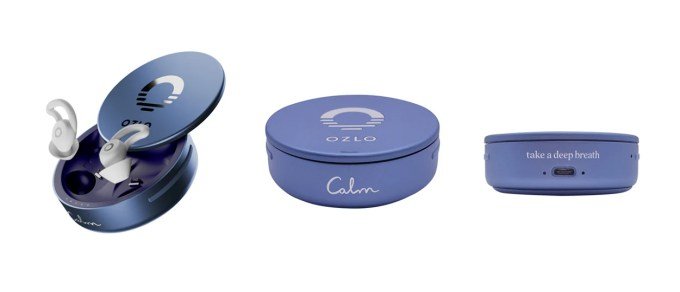
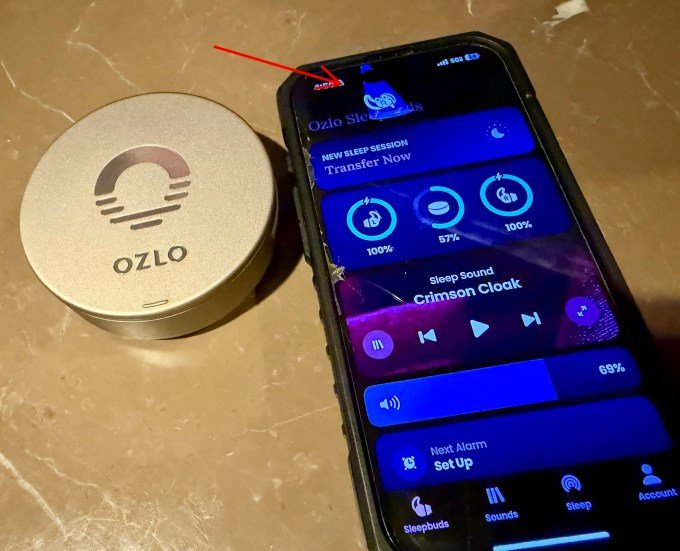
- Hardware Upgrades: A next-generation charging case with improved earbud seating, stronger Bluetooth connectivity, and higher volume amplification.
- Bedside Speaker: A new device aimed at children and elderly users who may prefer not to wear earbuds at night.
Neurotech and Future Growth
To bolster its transition into the medical device market, the Boston-based firm has acquired Segotia, an Irish neurotech startup specializing in EEG-focused “hearable” technologies. This acquisition is central to Ozlo’s plan to derive brain-level insights from electrical signals measured via custom eartips.
Patil confirmed that a product incorporating this EEG technology is slated for a 2027 launch. As the company scales these initiatives, it is currently in the process of closing a Series B funding round to support its rapid expansion into software and clinical-grade sleep interventions.