Palworld Breaks Steam Records Amidst Pokémon Copycat Claims
Palworld has defied early industry skepticism to become a massive commercial success, selling over 5 million copies within its first week of Early Access. The title from Japanese developer Pocket Pair, previously known for Craftworld, reached a staggering 1.5 million concurrent players on Steam over the weekend—a milestone typically reserved for major AAA releases.
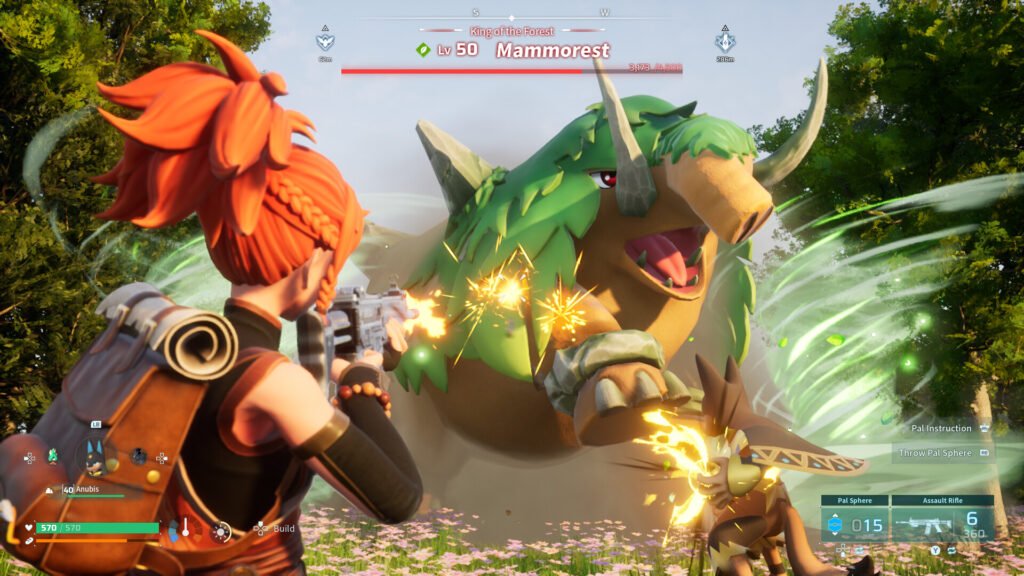
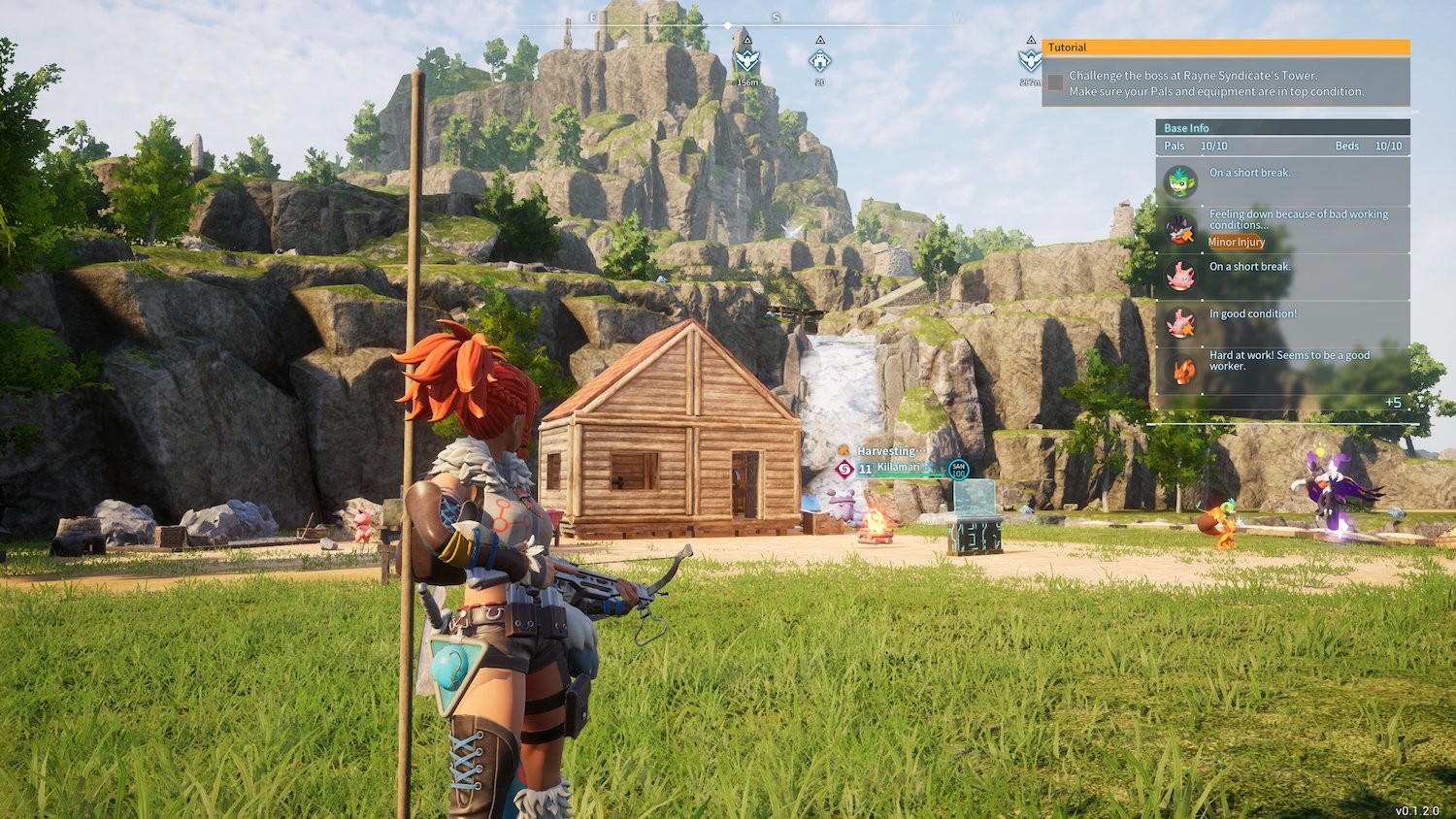
The game’s rapid ascent highlights a significant void in the current market. While the long-standing Pokémon franchise remains a cultural juggernaut, many players feel the mainline series has failed to evolve, clinging to a formula established in the 1990s. Palworld offers an alternative: a survival-exploration experience where players capture creatures, build bases, and progress through a technology tree that ranges from stone axes to assault rifles.
A Blend of Familiar Mechanics
Critics and players alike have noted that Palworld borrows heavily from established hits:
- Survival Systems: Mechanics mirror viral titles like Valheim and V Rising.
- Traversal: Climbing and gliding styles draw direct comparisons to Breath of the Wild.
- Automation: Base management echoes gameplay loops found in Factorio and Timberborn.
- Creature Collection: The monster-taming foundation is heavily inspired by Pokémon and Cassette Beasts.
Despite the derivative nature of its individual systems, the game has been praised for its cohesive and addictive execution. It has managed to avoid the technical collapse seen in other recent, highly anticipated, yet poorly received titles.
Legal and Ethical Scrutiny
The game’s success is shadowed by intense debate regarding its creature designs. Users on social media platforms like X are actively documenting striking similarities between specific Pals and existing Pokémon, such as Anubis and Lucario, or Verdash and Cinderace. While some defenders argue these designs share roots in common mythology or broader design tropes, others are calling for legal intervention.
Adding to the controversy are unverified allegations that Pocket Pair may have utilized generative AI to create the game’s creature assets. While there is no concrete evidence to support these claims, the studio’s history with AI-related comments has fueled speculation among skeptics.
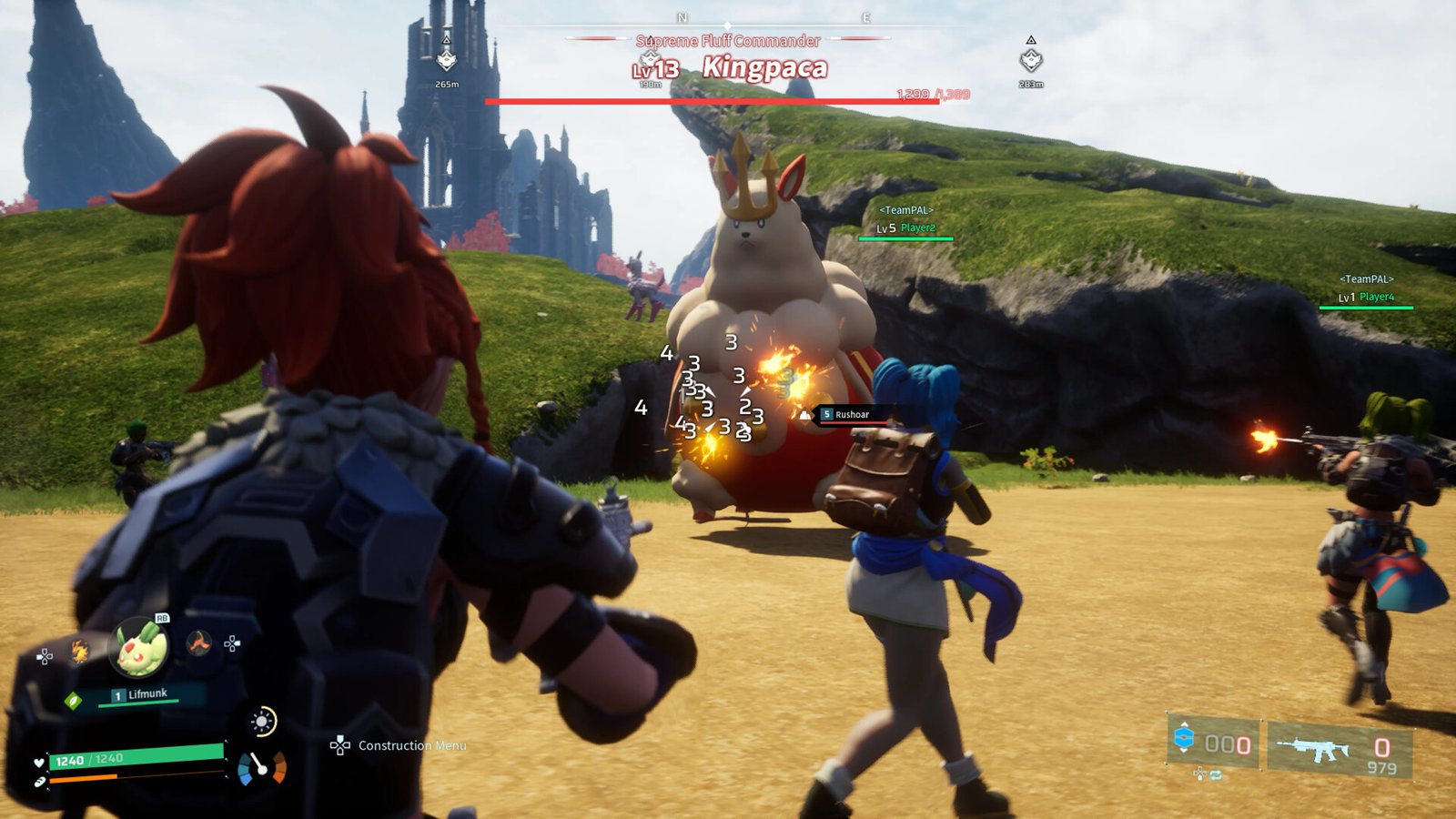
The dialogue is expected to intensify further as modders prepare to release content that explicitly replaces the game’s original creatures with actual Pokémon, potentially bridging the gap between the two franchises in a way that may attract even more regulatory or legal attention.