People CEO Calls Google a ‘Bad Actor’ Over AI Content Use
Use
META_DESCRICAO: Neil Vogel, CEO of People, Inc., accuses Google of using its search crawler to scrape content for AI products, forcing publishers into a difficult position.
TAGS: Google, Artificial Intelligence, Digital Publishing, SEO, Content Rights
CONTEUDO:
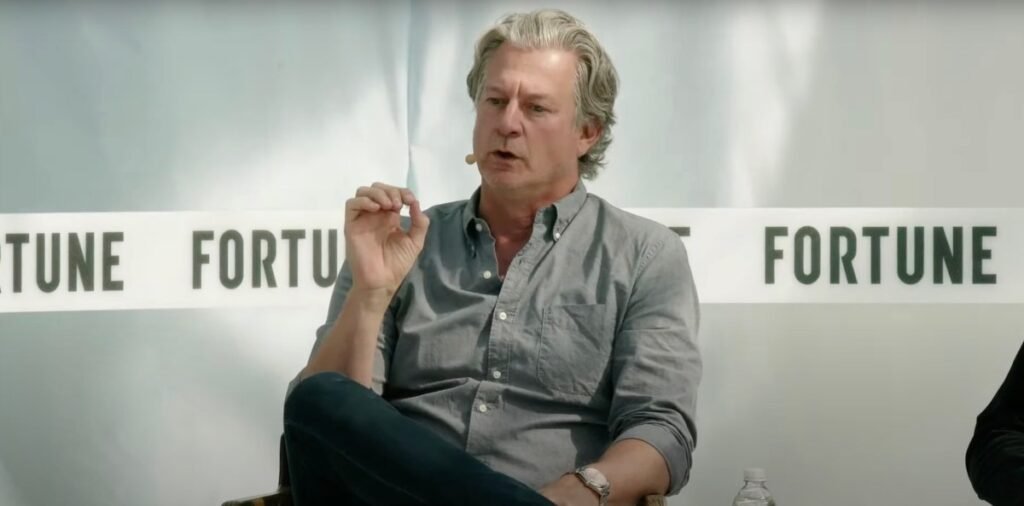
Neil Vogel, the CEO of People, Inc. — the massive publisher behind brands like People, Food & Wine, and Travel + Leisure — has publicly labeled Google a “bad actor.” Speaking at the Fortune Brainstorm Tech conference this week, Vogel argued that the search giant is weaponizing its infrastructure to ingest proprietary content for its AI initiatives without offering fair compensation.
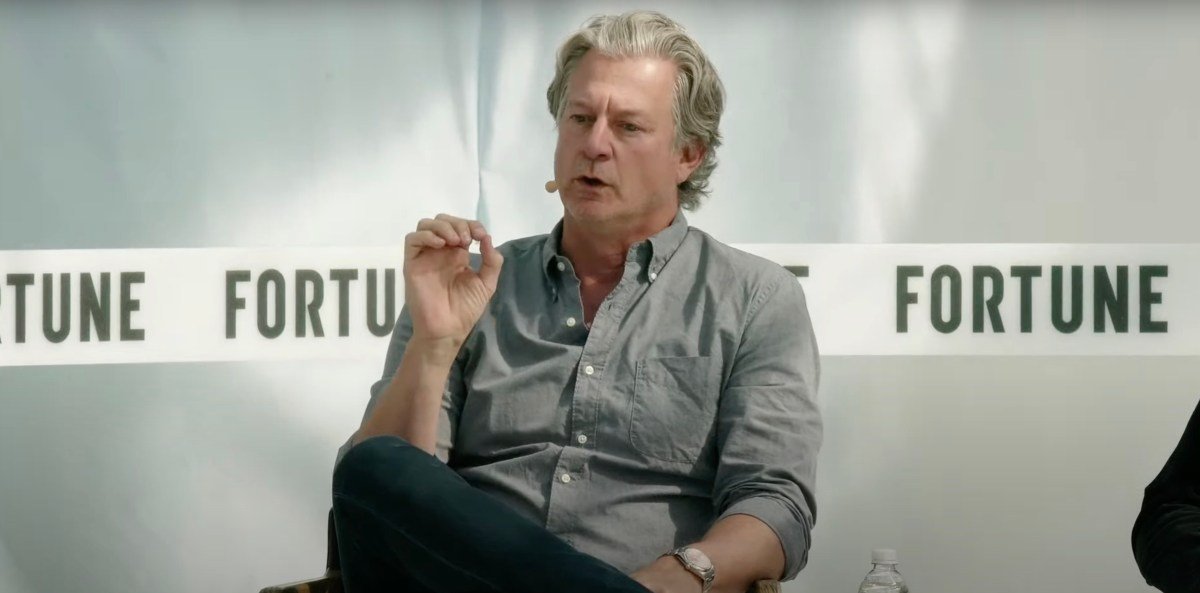
The core of the dispute lies in Google’s technical approach to web crawling. According to Vogel, the company uses a unified bot for two distinct purposes: indexing sites for the traditional Google Search engine and feeding content into its growing suite of AI tools. This creates an impossible dilemma for publishers.
The Publisher’s Dilemma
While publishers can block AI-specific crawlers to force negotiations, they cannot block Google’s primary bot without effectively vanishing from search results. Vogel highlighted that Google remains a significant source of traffic, albeit one that has shrunk dramatically for his company. Three years ago, search traffic accounted for roughly 65% of their total; that figure has since plummeted to the high 20s.
“Google has one crawler, which means they use the same crawler for their search, where they still send us traffic, as they do for their AI products, where they steal our content,” Vogel explained. “They know this, and they’re not splitting their crawler. So they are an intentional bad actor here.”
Shifting Strategies in the AI Era
Despite the adversarial stance toward Google, Vogel noted that People, Inc. remains profitable and continues to grow its audience. However, he insists that the current model is unsustainable. To gain leverage, the company has begun utilizing solutions from Cloudflare to block non-paying AI scrapers. This strategy has already encouraged other large LLM providers to open discussions regarding content licensing deals.
The publisher’s approach to AI partnerships is selective. Vogel pointed to their existing agreement with OpenAI as an example of a “good actor” relationship, contrasting it sharply with Google’s current practices. Other industry leaders echoed these frustrations:
- Janice Min (Ankler Media): Described tech giants like Google and Meta as “content kleptomaniacs,” stating she sees no benefit in partnering with AI firms at this time.
- Matthew Prince (Cloudflare): Suggested that relying on traditional copyright litigation is a “fool’s errand” due to fair use protections, but predicted that market pressure will force change.
The Future of Content Licensing
Cloudflare CEO Matthew Prince, who joined Vogel on the panel, offered a broader critique of the digital ecosystem. He suggested that Google’s long-term strategy of prioritizing traffic over original content creation has fundamentally damaged the publishing industry. Nevertheless, Prince remains optimistic about a shift in the status quo.
“My prediction is that, by this time next year, Google will be paying content creators for crawling their content and taking it and putting it in AI models,” Prince said. For now, however, publishers like People, Inc. continue to navigate a landscape where their own content is being used to build the very tools that threaten their traffic and authority.