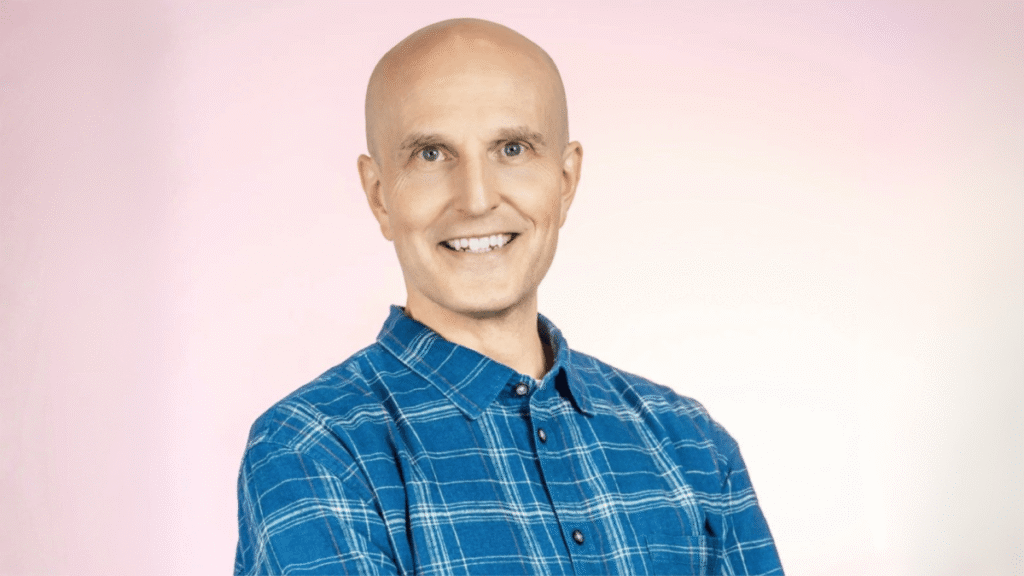
PopSockets Founder David Barnett on Scaling Without VC
From a garage project to a global phenomenon, the journey of PopSockets remains a masterclass in organic growth. David Barnett, the former philosophy professor who turned a simple idea for managing headphone cords into an iconic mobile accessory, recently shared insights on the challenges of scaling a viral consumer product without the aid of traditional venture capital.
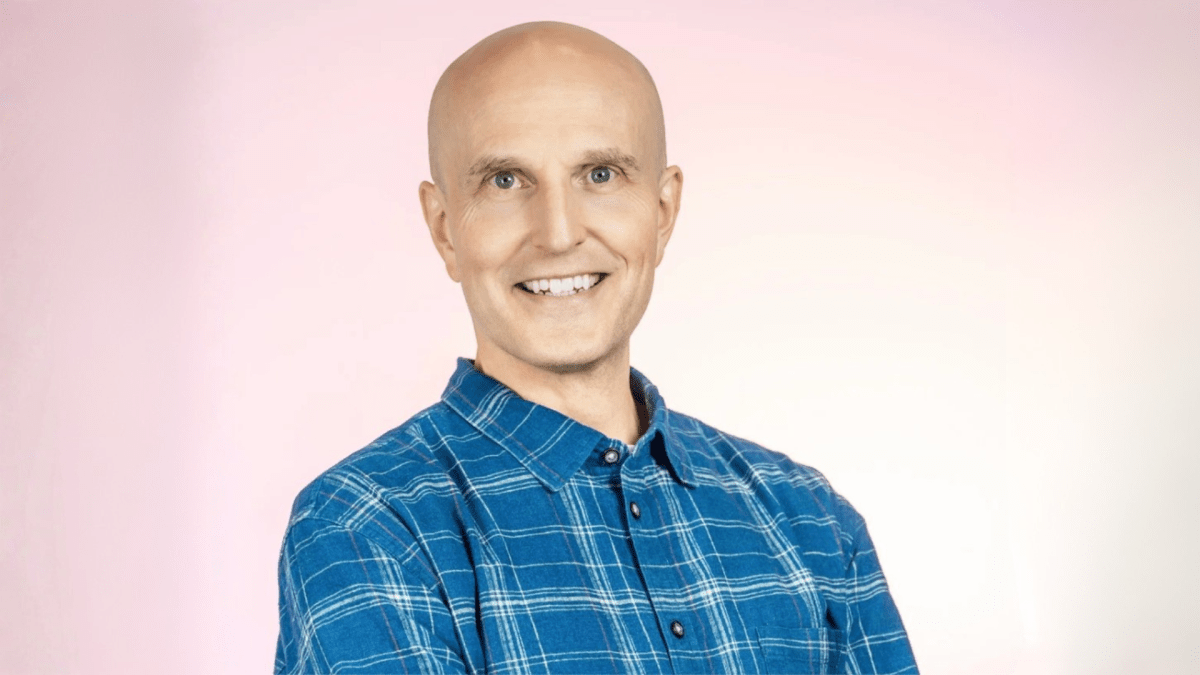
The Early Hurdles of Manufacturing
Barnett’s transition from academia to hardware manufacturing was far from seamless. Lacking a background in finance, tax, or production logistics, he faced significant early-stage obstacles. “I was a philosophy professor, so I had no experience with manufacturing,” Barnett noted, recalling how the initial phase was marked by financial strain and persistent technical setbacks. He described experiencing “wave after wave of manufacturing defects” while attempting to turn his prototype into a viable commercial product.
Finding Product-Market Fit
The turning point for the business occurred in a local toy store, where Barnett observed customer behavior firsthand. Despite initial slow sales, his persistence in iterating on the design proved vital. Once the product was refined, the momentum shifted, signaling that the accessory had genuine retail potential.
Lessons in Leadership and Growth
Throughout his tenure, Barnett navigated several critical business milestones, including:
- The decision to bootstrap the company, deliberately avoiding venture capital funding.
- Managing complex retail relationships, including a notable dispute with Amazon that led to a temporary withdrawal from the platform.
- Aggressively protecting the company’s intellectual property.
- Knowing when to transition out of the CEO role to allow new leadership to scale the company further.
Reflecting on the evolution of his management style, Barnett emphasized that the core of any successful enterprise is its workforce. “The greatest lesson I’ve learned is that it’s all about the people,” he said. This philosophy heavily influenced his search for a successor, as he prioritized leadership traits that could sustain the company’s culture and growth trajectory long-term.