Roblox Unveils Major Revenue Boost and AI Tools for Creators
Roblox is aggressively expanding its ecosystem to capture a larger slice of the global gaming market. At the annual Roblox Developers Conference, the company unveiled a series of strategic updates, including a significant increase in revenue sharing for creators and the development of a foundational 3D generative AI model.
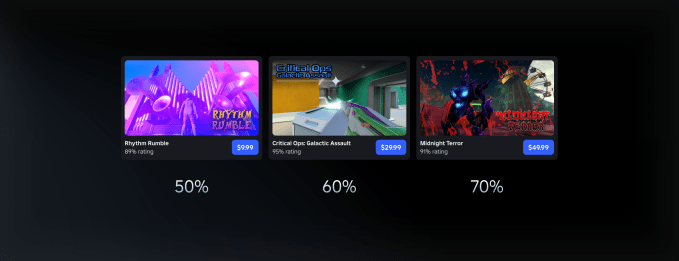
The platform’s new financial model aims to lure traditional game developers by offering more favorable splits on paid experiences. Currently, creators receive approximately 25% of revenue from paid content; under the new structure, that share will scale significantly based on pricing tiers:
- $9.99 experiences: 50% revenue share
- $29.99 experiences: 60% revenue share
- $49.99 experiences: 70% revenue share
Manuel Bronstein, Chief Product Officer at Roblox, explained that these adjustments are designed to make the platform more competitive for professional studios. To further optimize earnings, the company is introducing a “Price Optimization” tool, which will conduct automated testing to determine ideal price points for in-game purchases, alongside regional pricing recommendations to better serve diverse global markets.
Leveraging Generative AI for 3D Content
Beyond monetization, Roblox is investing in a multimodal, open-source 3D foundational model. This technology is intended to streamline game development by allowing creators to generate complex 3D scenes through simple text prompts, video, or existing assets.
“A creator could say I want to create a world that is in the Scottish Highlands with castles and a stormy day, with a dragon background, and I want all of this in a steampunk steam style. And then the output will be the full scene creation,” Bronstein said.

Bronstein emphasized that the goal is not to replace human creativity, but to lower the barrier to entry. By assisting with the artistic and technical heavy lifting, the model aims to help developers iterate faster. Once content is generated, creators will still be responsible for fine-tuning the output to fit their specific vision. Additionally, the new “Harmony” technology will assist developers in automatically optimizing their experiences for varying network speeds and hardware specifications.
New Social and Commerce Features
Roblox is also expanding its utility as a social hub and commerce platform. A key development is the upcoming Shopify integration, which will allow creators to sell physical merchandise directly within their games. This feature is set to pilot later this year with a select group of brands and developers.
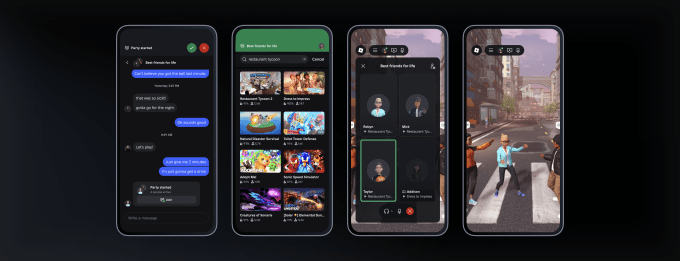
On the social front, the platform is launching a “Party” feature. This allows friends to maintain a persistent chat group while moving between different games. The chat interface adapts based on age: text-only for users under 13, and voice chat for older users. To foster community engagement, dedicated forums will also arrive later this year, providing a centralized space for user feedback and discussion.
Finally, the company is doubling down on music discovery. New features like “What’s Playing” and “Music Charts” will highlight trending tracks, supported by an integration with the music distribution service DistroKid, enabling artists to share their work directly with the Roblox community. These updates are core to the company’s long-term ambition: having 10% of all worldwide gaming content revenue cycle through its ecosystem.