Sandbar Raises $23M to Scale AI-Powered Stream Ring
Sandbar, the wearable technology startup founded by former Meta engineers Mina Fahmi and Kirak Hong, has secured $23 million in a Series A funding round. The investment, led by Adjacent and Kindred Ventures, arrives as the company prepares to begin shipping its AI-integrated Stream ring this summer.
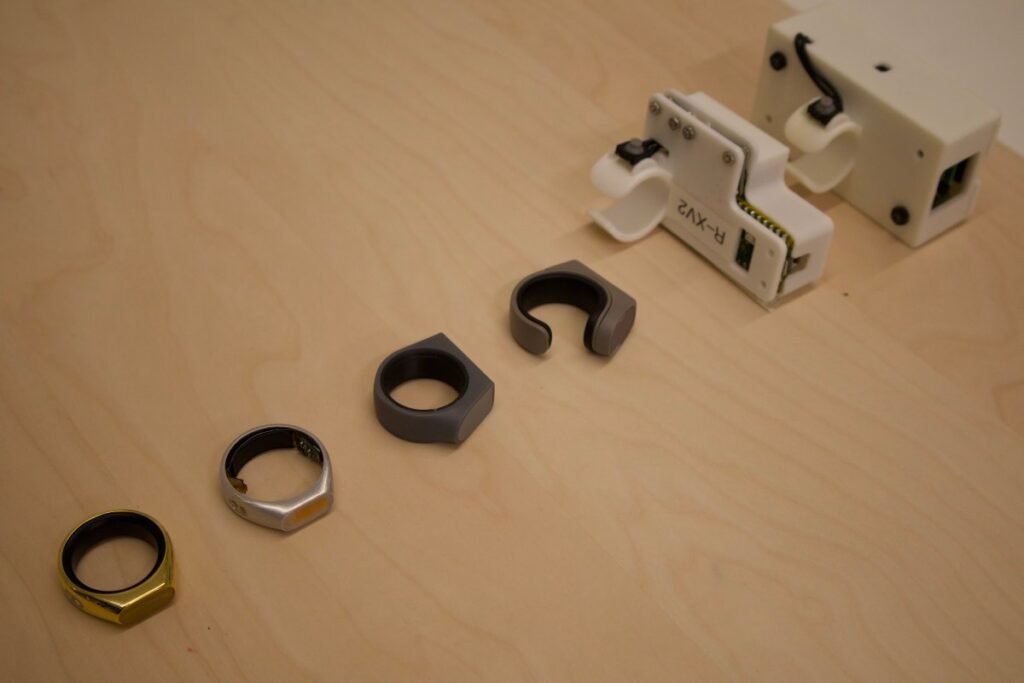
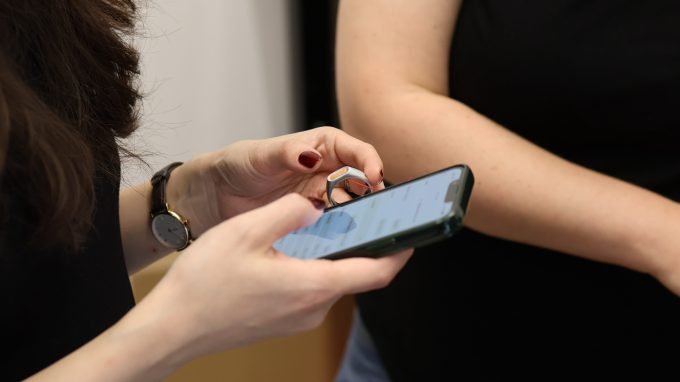
Unlike wearable devices prioritized for health monitoring, the Stream ring is designed specifically for voice-based note-taking and AI interaction. The hardware features a touch-sensitive panel that activates a microphone, allowing users to record notes or interface with an AI assistant through a linked mobile application.
Refining the AI Interaction Model
The company is currently focused on enhancing the software experience, specifically by reducing latency in model responses and improving the user interface. Fahmi, who previously held roles at CTRL-Labs and Magic Leap, emphasized that the goal is to move beyond simple transcription toward fluid, multi-turn conversations.
Fahmi noted that early adopters are already integrating the device into their daily routines, with some users recording notes over 50 times per day. To support this usage, the startup is developing a web platform and refining the assistant’s ability to handle iterative tasks, such as refining notes or assisting with technical workflows.
- Funding Milestone: The $23 million Series A brings the startup’s total funding to $36 million, following an initial $13 million round last November.
- Strategic Growth: With 15 current employees, Sandbar plans to double its software and machine learning engineering teams while expanding its marketing department.
- Device Functionality: The ring includes media controls for playback and volume, with the microphone tuned to proximity to ensure users intentionally trigger recording by moving their hand toward their face.
Market Positioning and Competition
The wearable note-taking market is becoming increasingly crowded, with competitors like Plaud and Pebble targeting similar user needs. However, investors see a distinct advantage in Sandbar’s approach. Nico Wittenborn of Adjacent, who previously backed the book-summarization platform Blinkist, noted that the ring’s form factor offers a more private and natural interaction model than ambient recording devices.
Wittenborn highlighted that the physical action of lifting one’s hand to speak creates a clear signal of intent, distinguishing the device from other hardware that may inadvertently capture surrounding conversations. He also suggested that the design is intended to reach a broader audience beyond early technology enthusiasts.
While the mobile app is currently tied to the Stream hardware, the startup is evaluating options to provide access to users without the ring, allowing the software to function independently if the device is charging or unavailable. As the company moves toward its summer launch, the team remains focused on evolving the product from a simple recording tool into an agentic workflow assistant.