Scopely Acquires Niantic Gaming Division for $3.5 Billion
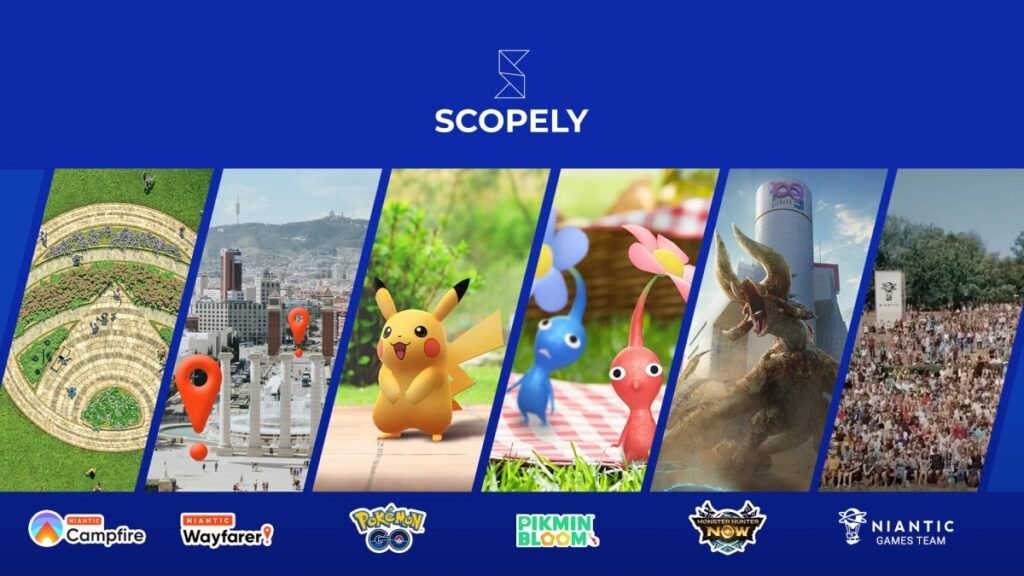
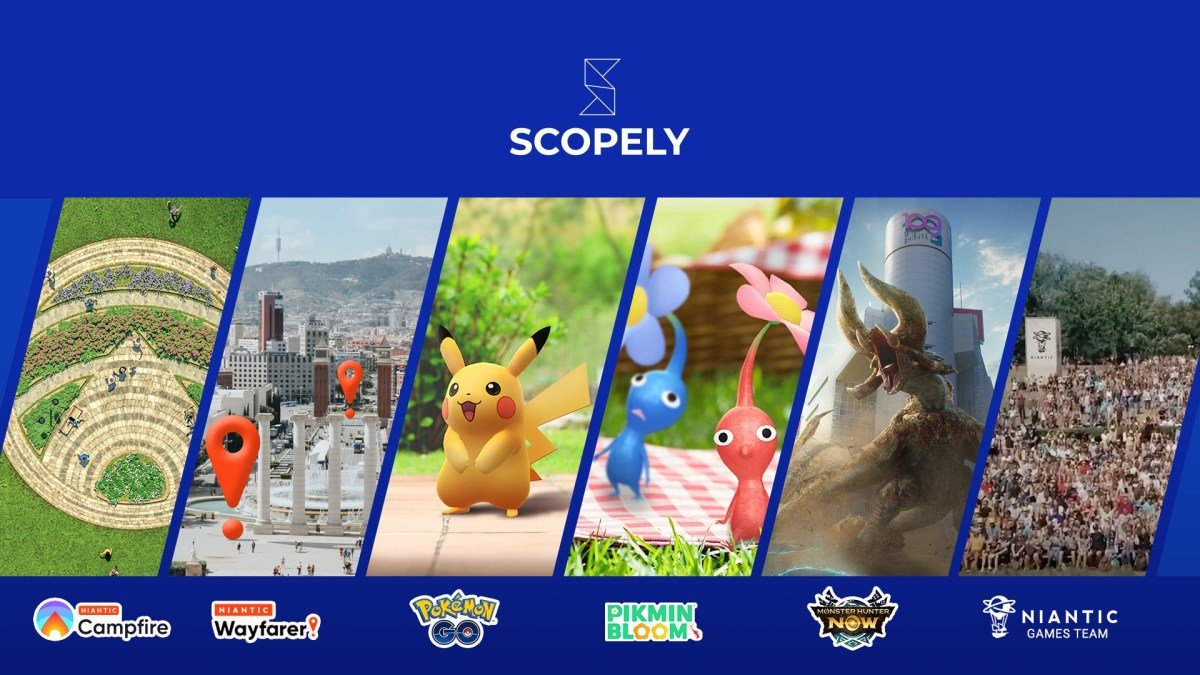
Mobile gaming powerhouse Scopely has reached a definitive agreement to acquire the gaming division of Niantic for $3.5 billion. The transaction, announced Wednesday, includes an additional $350 million in cash, bringing the total valuation for Niantic equity holders to $3.85 billion.
A Shift in Corporate Strategy
Following the divestiture, Niantic will undergo a significant restructuring. The company is pivoting its primary operations toward the development of real-world 3D mapping technology. This new venture, dubbed Niantic Spatial, will remain under the leadership of Niantic founder and CEO John Hanke.
To support this transition, Niantic Spatial will receive a $250 million cash infusion, comprised of $200 million from Niantic’s reserves and $50 million contributed by Scopely.
Assets Changing Hands
The acquisition transfers a substantial portfolio of titles and community tools to Scopely, which currently employs 2,300 people. As part of the deal, all staff members dedicated to these projects will migrate to the Scopely team. The assets included in the sale are:
- Pokémon GO: The flagship title, which maintains a base of over 20 million weekly active players.
- Monster Hunter Now: An AR-focused experience launched in 2023.
- Pikmin Bloom: A walking-based game introduced in 2021.
- Community Tools: The Campfire social platform and the Wayfarer mapping contribution tool.
Niantic will retain control of two specific titles under the new Spatial entity: Ingress Prime and the pet simulation game Peridot.
Market Implications
Industry analysts view the move as a strategic expansion for Scopely. Darang Candra, Director for East Asia & Southeast Asia Research at Niko Partners, noted that the deal allows Scopely to secure its footprint in the augmented reality and geolocation sectors while strengthening ties with major intellectual property holders like Capcom and The Pokémon Company.
“Scopely is solidifying its position in the mobile games space with this acquisition,” Candra stated. “The acquisition not only allows them to expand into the augmented reality and geolocation segment, but it also builds on their IP centric strategy.”
Financial Context and Future Outlook
While Pokémon GO remains a financial juggernaut—generating over $520 million in in-app purchases during 2024 according to Sensor Tower—Niantic has struggled to replicate that level of success with other titles. Monster Hunter Now, the company’s next-highest earner, brought in $86 million during the same period.
The deal arrives after a difficult period for Niantic, which saw the cancellation of projects based on Harry Potter, Marvel, and NBA licenses, alongside multiple rounds of layoffs. For its future, the company aims to leverage machine learning to build a “large geospatial model,” building upon existing initiatives like its Scaniverse app to map real-world environments.
Regarding the transition, John Hanke expressed optimism about the future of the divested games. “Scopely shares our focus on building and operating incredible live services, has exceptional experience working with the world’s biggest and most beloved intellectual properties, and cares deeply about its player communities and game-making teams,” Hanke said.