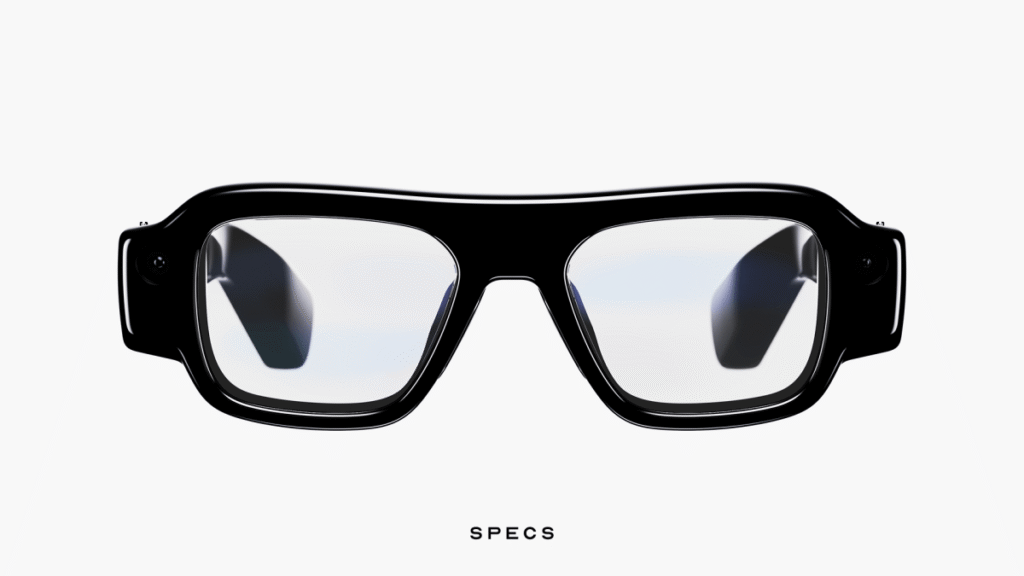
Snap Unveils Specs: High-End AR Glasses Priced at $2,195
Snap officially entered the high-end augmented reality market on Tuesday, debuting its long-awaited consumer smart glasses, dubbed “Specs,” during a spatial AI convention in Long Beach. The device marks a significant milestone for the company, though its $2,195 price point positions it as a niche product for tech enthusiasts and developers rather than a mass-market accessory.
The company confirmed that preorders begin June 16, requiring a $200 refundable deposit. Shipments are scheduled for the fall across the U.S., the U.K., and France. While significantly cheaper than the $3,500 Apple Vision Pro, the cost remains substantially higher than Meta’s Ray-Ban smart glasses, which typically retail around $350.
Hardware Design and Performance
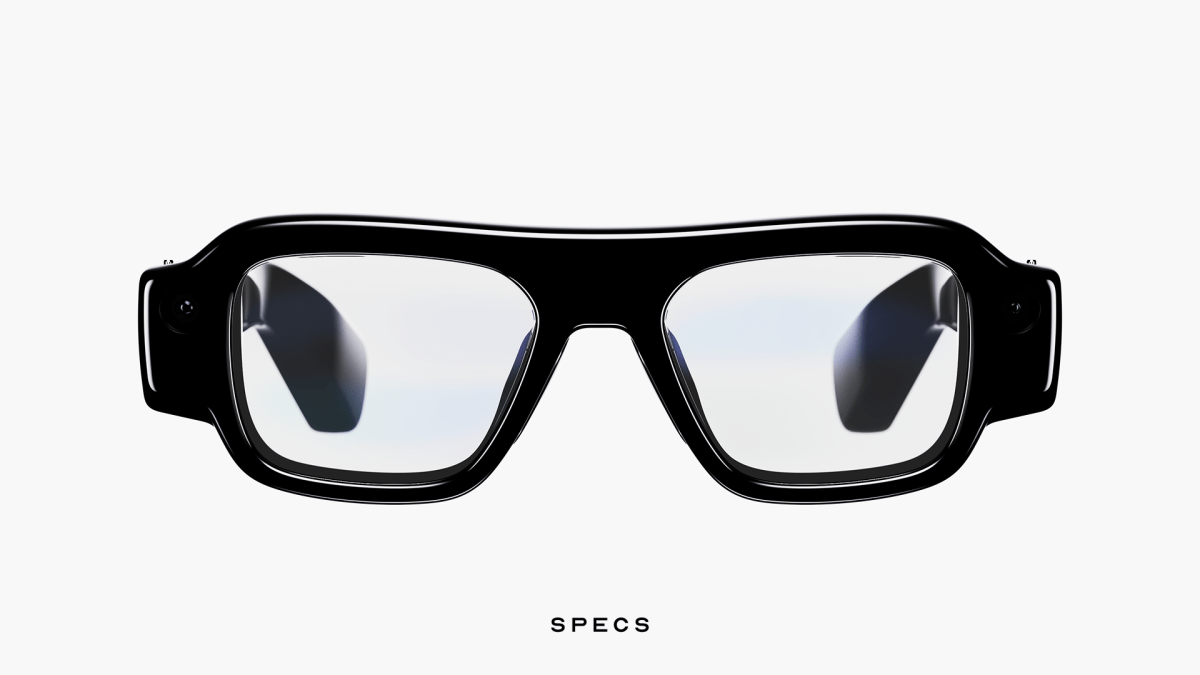
Unlike many competitors that rely on tethered connections or external processing “pucks,” Snap has engineered the new Specs as a standalone device. The glasses house all necessary computing power internally, resulting in a slightly bulkier, goggle-like aesthetic.
- Processor: Powered by dual Snapdragon chips.
- Battery Life: Four hours of continuous use, expandable to 20 hours via the included charging case.
- Weight: Available in 47 mm (132 grams) and 52 mm (136 grams) variants.
The display offers a 51-degree field of view with support for 16 million colors. Snap emphasizes that the hardware has been refined since earlier prototypes to improve efficiency and reduce the thermal issues noted in previous developer-focused testing.
Features and Capabilities
The software ecosystem aims to bridge the gap between social interaction and utility. A standout function is the “EyeConnect” feature, which allows two users to initiate shared multiplayer gaming sessions simply by making eye contact.
Beyond gaming, the device is designed for productivity and environmental awareness:
- Contextual AI: Users can query the glasses about their surroundings, allowing the AI to identify objects and provide real-time information.
- Productivity: The interface supports web browsing, email management, and various productivity applications.
- Content Creation: The hardware enables point-of-view video recording.
Privacy remains a central focus, with the inclusion of an LED light that activates during recording. Snap states that users retain full control over data storage, synchronization, and deletion.
Market Challenges
The release comes at a critical juncture for Snap. The company has navigated a turbulent period marked by workforce layoffs earlier this year and fluctuating North American user engagement levels. Despite having over a decade of R&D history in AR, the company has yet to achieve consistent profitability.
Snap is now competing in an increasingly crowded space where even established leaders, such as Meta, face significant financial losses in their AR divisions. By targeting studios and developers first, Snap is attempting to foster a viable ecosystem before pushing for broader consumer adoption, betting that these glasses could eventually redefine mobile computing.