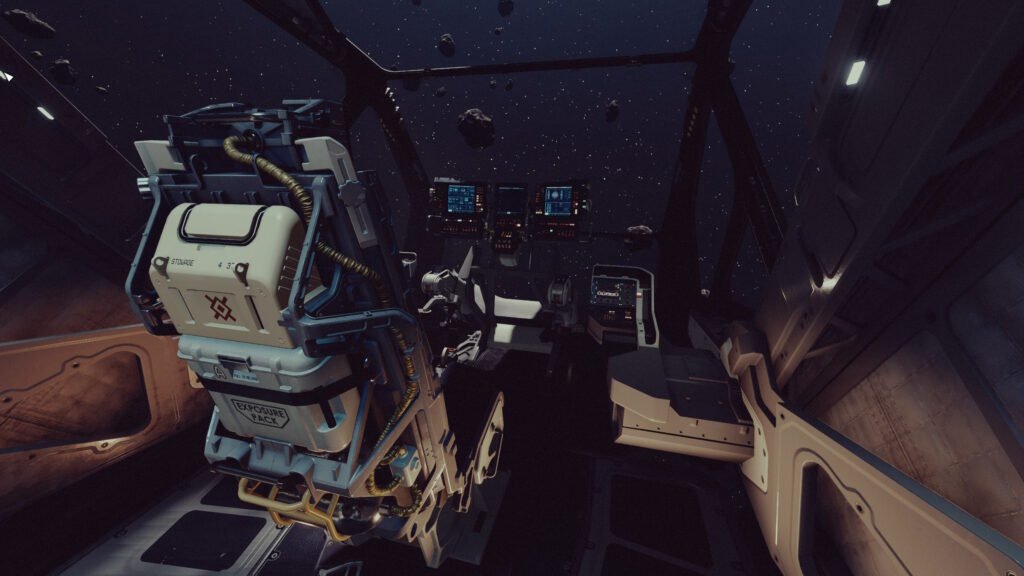
Starfield Review: A Vast Galaxy Missing Its Soul
Bethesda’s long-anticipated space epic, Starfield, has finally arrived. Billed as the studio’s next major milestone, the game promises a massive, ambitious universe across hundreds of colonized star systems. However, while the production is undeniably lavish, it struggles to capture the cohesive sense of discovery and vastness that defined titles like Skyrim.
Set in the 2300s, the narrative casts players as a member of Constellation, an explorer group hunting mysterious artifacts scattered throughout the galaxy. While the premise serves as a standard hook for space-faring adventures, the core of the experience lies in the player’s freedom to navigate a galaxy of a thousand planets. Yet, this scale comes at a cost to the traditional open-world experience.
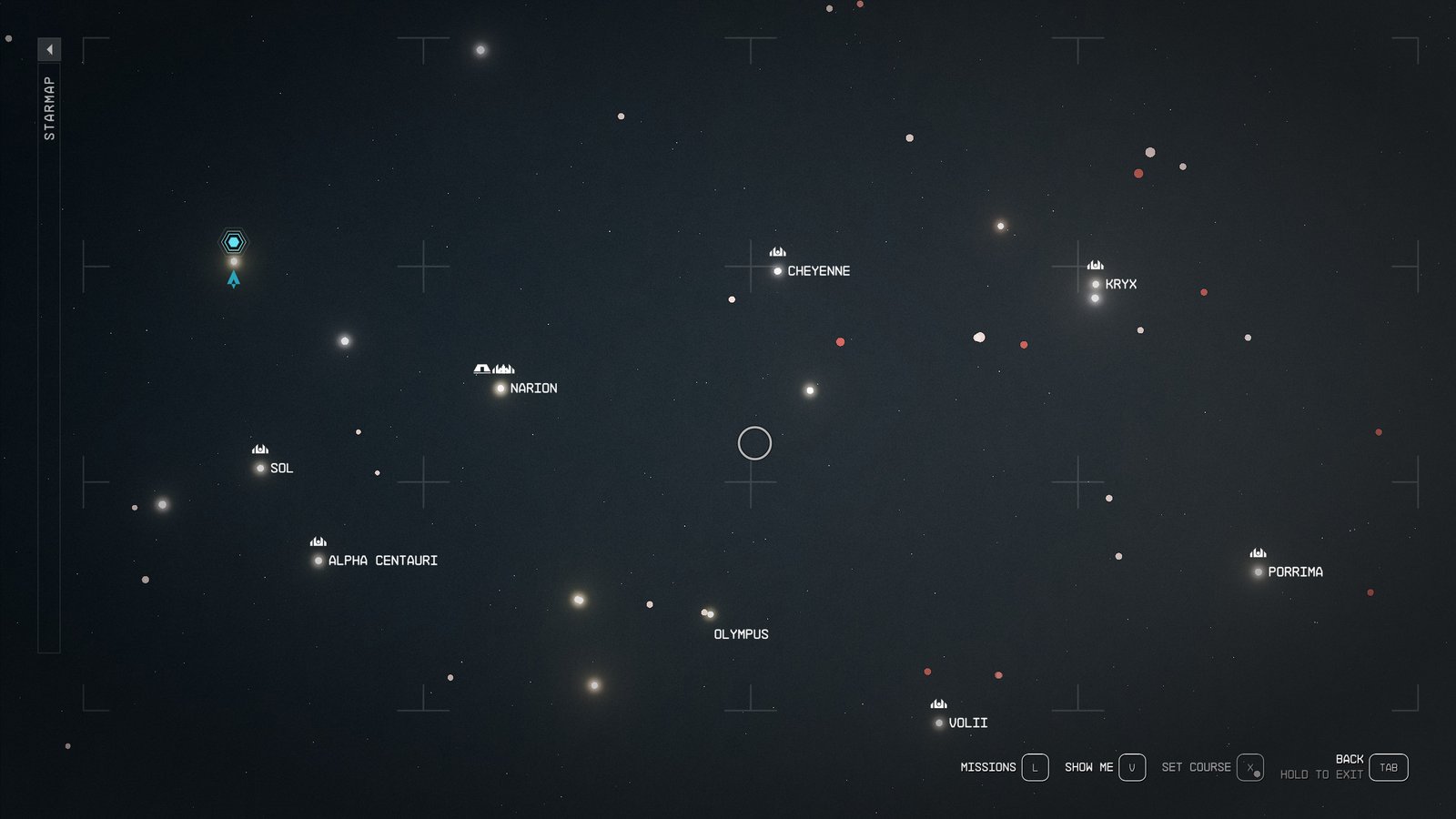
The Disconnected Galaxy
Unlike Bethesda’s previous work or contemporary open-world giants such as Elden Ring or Tears of the Kingdom, Starfield lacks a continuous, seamless map. Exploration is gated by menus and loading screens rather than organic travel. You do not fly your ship to a destination; you select a planet and land, which removes the sense of journeying through a vast, interconnected space.
This structure often reduces the game to a series of isolated pockets. Players land, walk a short distance, and interact with a singular point of interest. This lack of interconnectedness hampers the “moment of wonder” that usually defines the genre—that feeling when you crest a hill and see the world unfurl before you.
Aesthetic Brilliance vs. Gameplay Repetition
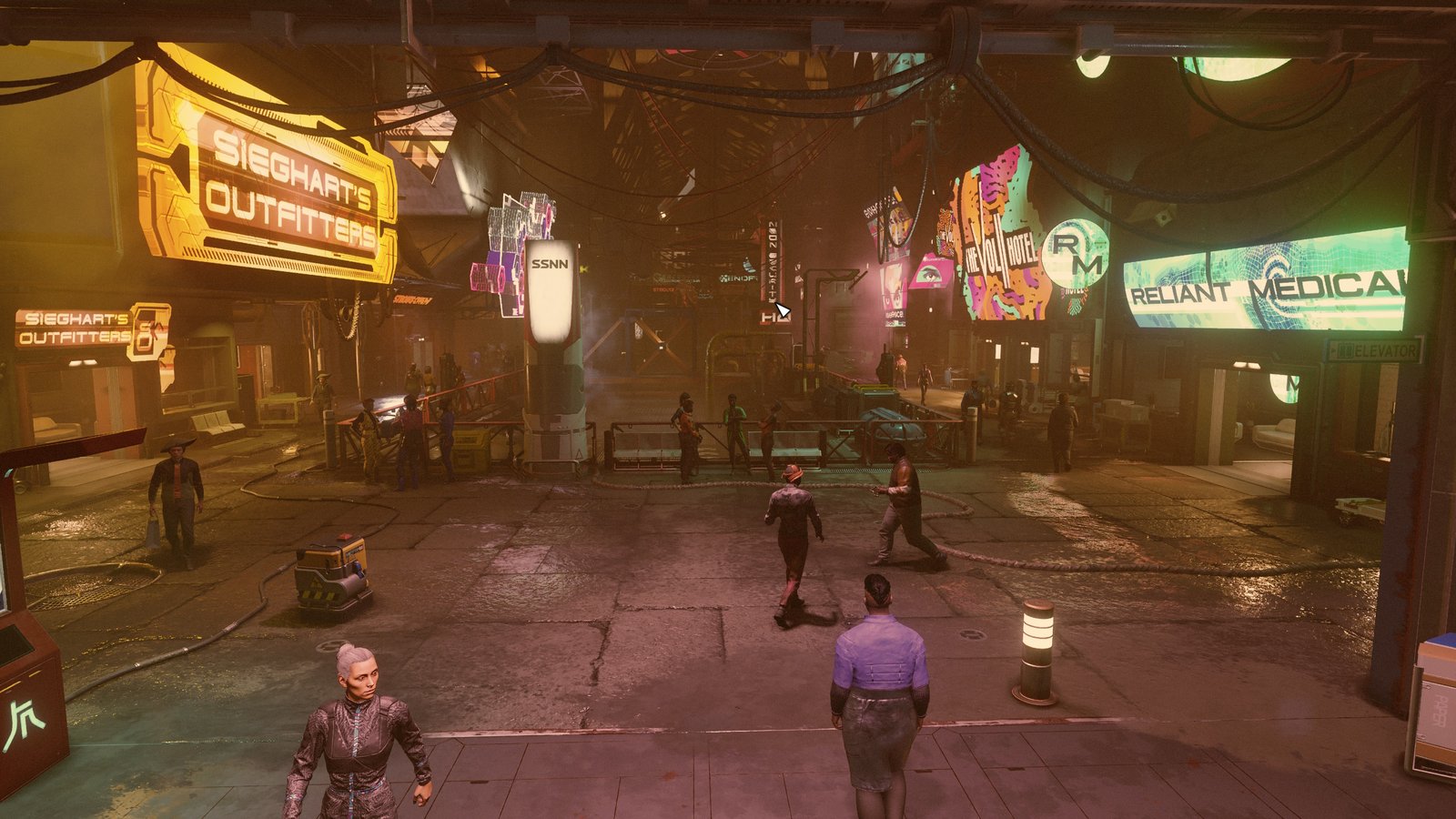
Where the game truly shines is in its visual design. The attention to detail in buildings, interfaces, and machinery is impeccable. Whether it is the gleaming architecture of New Atlantis or the grit of Neon, the environments are beautifully realized. However, this polish often masks a repetitive gameplay loop.
- Combat: Generally straightforward, leaning heavily into a “kill or be killed” dynamic, often involving “bullet sponge” bosses.
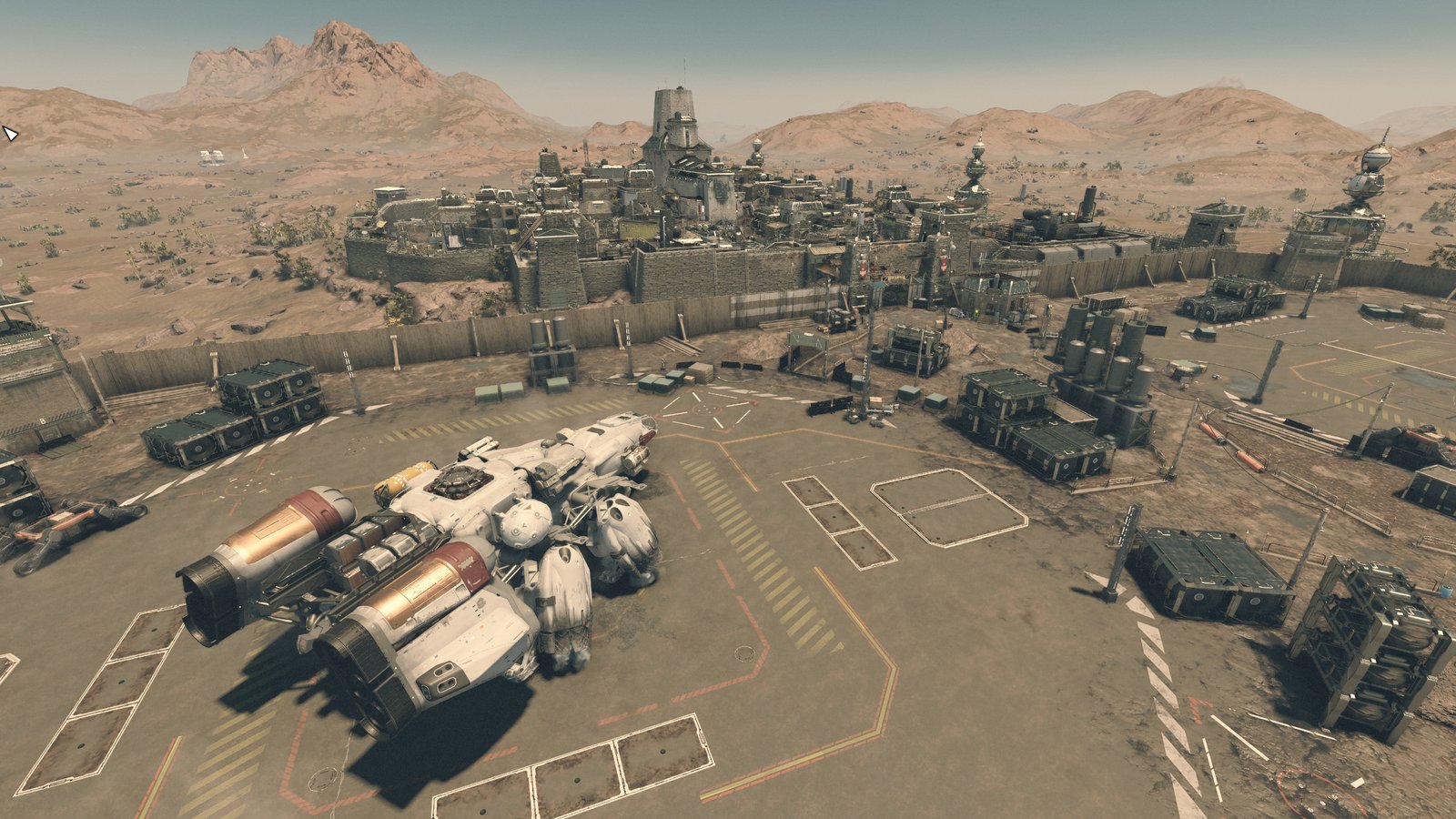
- Exploration: Many non-main locations feel identical, with recurring layouts of abandoned facilities populated by similar enemies.
- Questing: While main faction missions offer unique storytelling, procedural side tasks can feel tedious and lack meaningful narrative depth.
Final Reflections
Starfield has its charms, particularly for players who enjoy ship customization or the tactical satisfaction of gunplay. However, it feels like a collection of components that don’t quite coalesce into a unified whole. It is a competent corridor shooter disguised by a massive menu-driven galaxy.
For many, the game will offer plenty of action and space-faring fun. But for those expecting the next evolutionary step in open-world RPGs, Starfield may feel like a missed opportunity to truly bring the stars within reach. As with many Bethesda titles, the potential for future mods and updates remains high, but in its current state, it falls short of the immense weight of its own ambition.