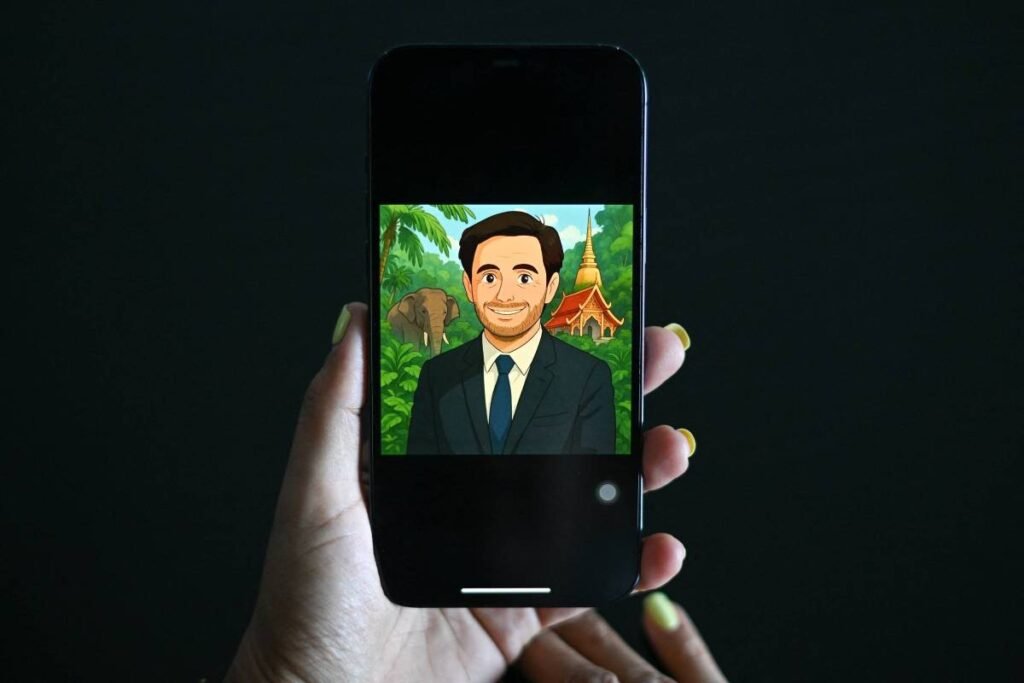
Studio Ghibli and Japanese Firms Demand End to AI Training
A powerful coalition of Japanese publishers, headlined by the iconic Studio Ghibli, has formally challenged OpenAI over the use of their intellectual property. Through the Content Overseas Distribution Association (CODA), these organizations issued a demand last week for the tech giant to immediately halt the training of its AI models on their copyrighted material without explicit authorization.
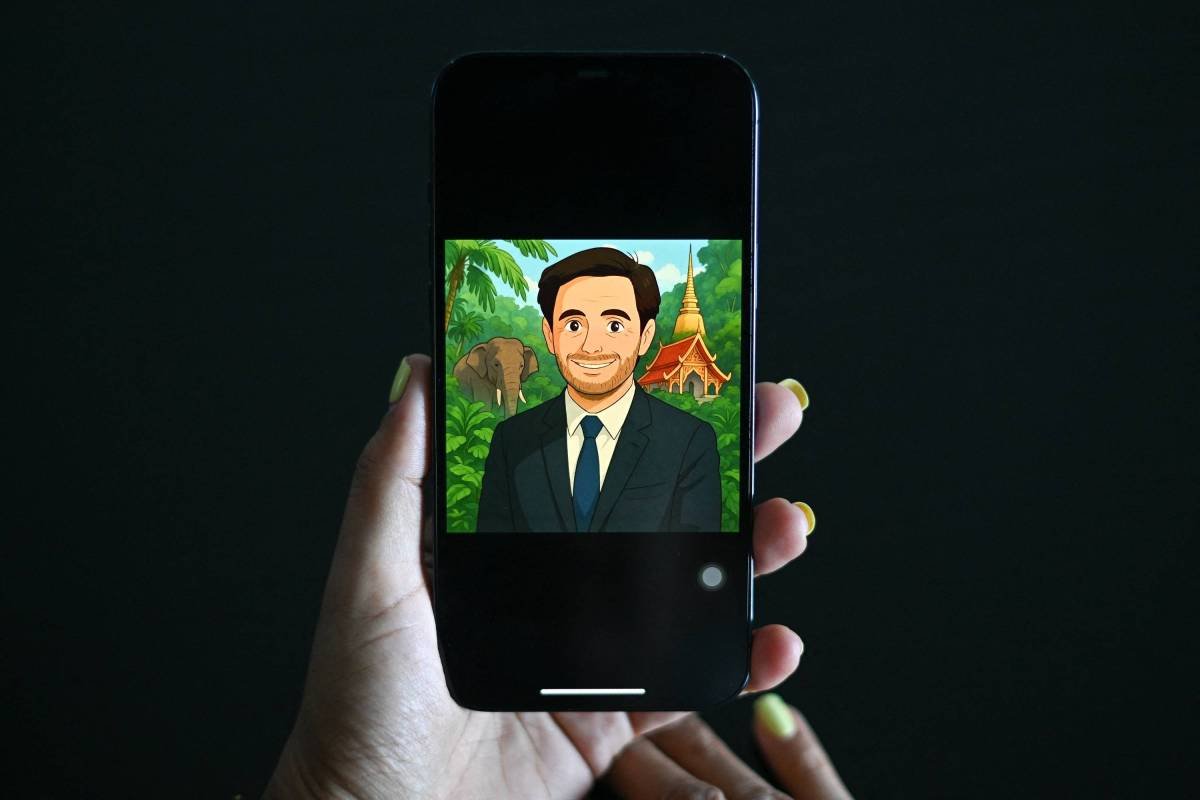
The friction between the animation powerhouse and the Silicon Valley firm has intensified following the rollout of ChatGPT’s image generation features. Users have frequently utilized the tool to replicate the distinct visual language of Ghibli films in personal portraits and pet photos. The trend gained visibility when OpenAI CEO Sam Altman shared a “Ghiblified” version of his own likeness on social media.
Escalating Tensions Over Generative Models
The pushback from CODA is largely driven by concerns regarding OpenAI’s upcoming video generation capabilities, including the Sora platform. The association argues that the current “ask forgiveness, not permission” strategy employed by AI developers creates significant legal and ethical risks.
This stance aligns with growing international pressure from major rights holders, including:
- Nintendo, which has previously voiced concerns over unauthorized character usage.
- The estate of Dr. Martin Luther King, Jr., citing the potential for deepfakes within tools like Sora.
>be me
>grind for a decade trying to help make superintelligence to cure cancer or whatever
>mostly no one cares for first 7.5 years, then for 2.5 years everyone hates you for everything
>wake up one day to hundreds of messages: "look i made you into a twink ghibli style haha"
— Sam Altman (@sama) March 26, 2025
Legal Discrepancies and Potential Litigation
While U.S. copyright law remains largely unupdated since 1976, creating a murky landscape for AI training, CODA asserts that the Japanese regulatory environment is far more rigid. The association explicitly stated that the unauthorized replication of works during machine learning processes constitutes copyright infringement under Japanese law, which requires prior consent rather than allowing for subsequent objections.
The legal precedent in the United States remains inconsistent. While a federal judge recently ruled that Anthropic’s training of AI on books did not violate copyright, the company still faced penalties for the underlying act of piracy involved in obtaining those texts.
The Miyazaki Perspective
Although Hayao Miyazaki, the visionary force behind Studio Ghibli classics like “Spirited Away,” has not issued a personal statement regarding the current standoff, his stance on automated creative tools is well-documented. During a 2016 demonstration of AI-generated 3D animation, Miyazaki expressed deep hostility toward the technology.
“I can’t watch this stuff and find it interesting,” Miyazaki remarked at the time. “I feel strongly that this is an insult to life itself.”