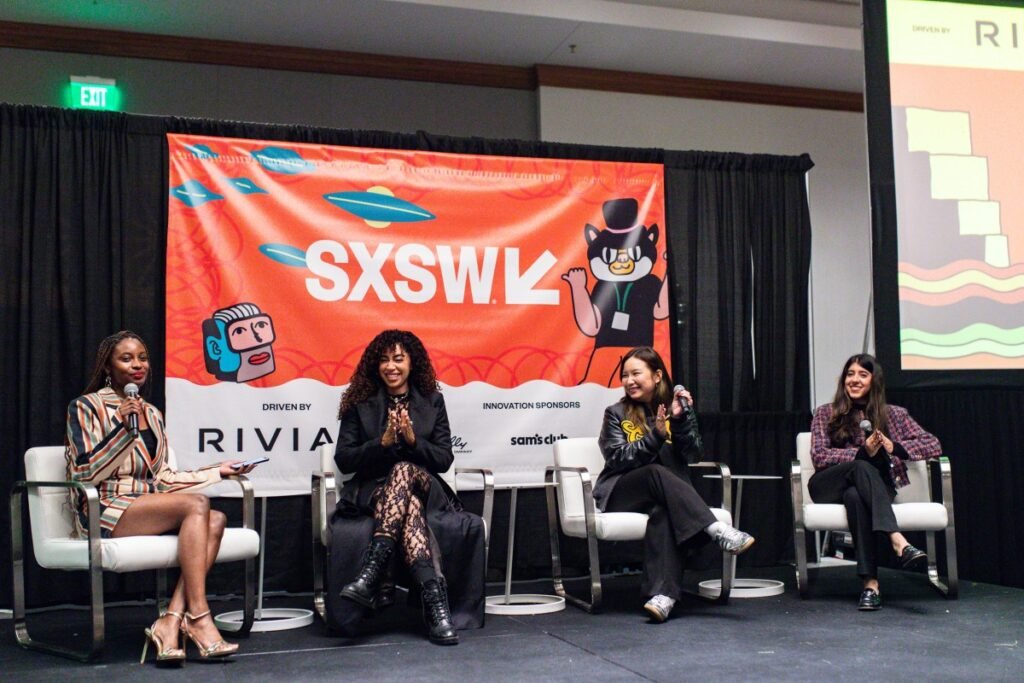
SXSW Evolves: Founders and VCs Rethink the Austin Festival
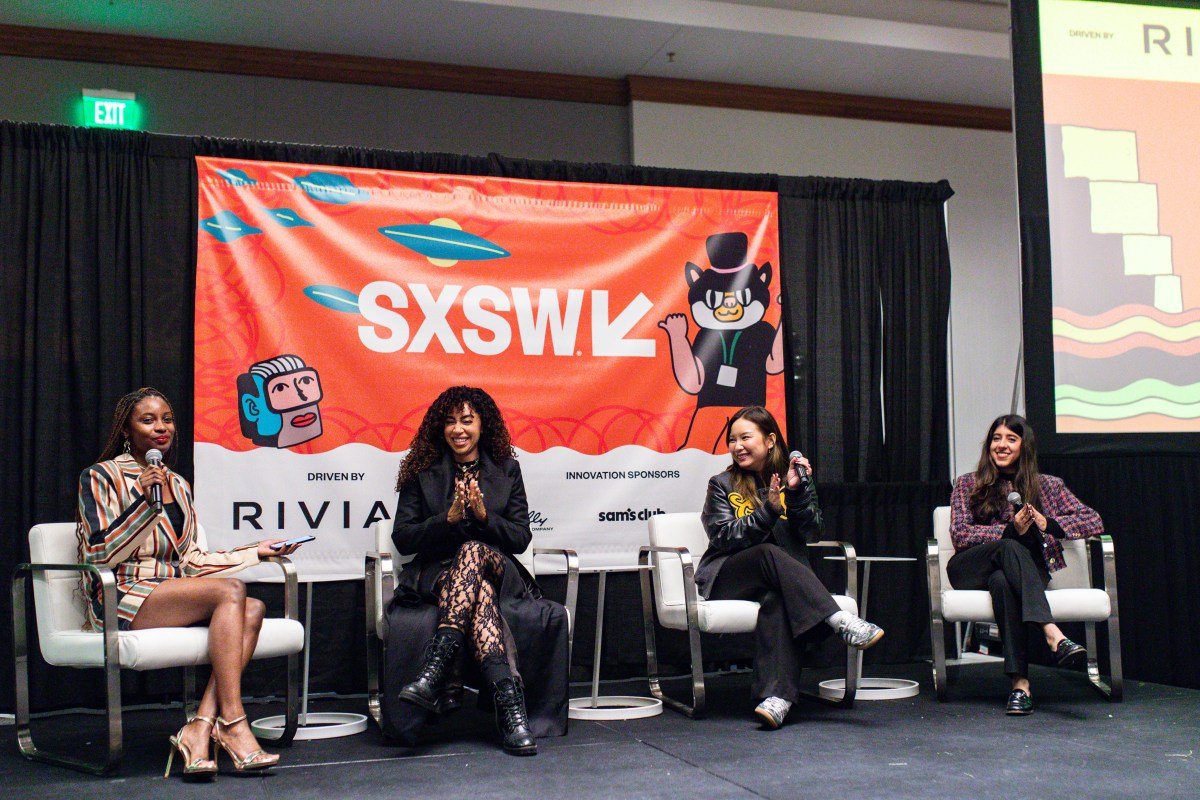
The 40th anniversary of SXSW brought a distinct shift to Austin this March, marking what organizers describe as the festival’s most ambitious reinvention to date. As the event navigates a post-pandemic recovery and a decentralized footprint, participants are finding that the value of the gathering has moved away from main-stage spectacles toward curated, high-impact networking.
A New Blueprint for Austin
The festival’s physical landscape has transformed significantly, largely driven by the demolition of the Austin Convention Center. This change forced events and panels into various venues across the city, creating a more spread-out experience. While some attendees noted this made the conference feel less overwhelming, others found the lack of a centralized hub impacted the sense of connectivity.
Greg Rosenbaum, SVP of programming at SXSW, highlighted the introduction of “Clubhouses”—dedicated spaces for networking and recharging that saw daily traffic of 5,000 visitors. According to Rosenbaum, these additions were part of a broader push to encourage attendees to engage more deeply with the downtown community.
The Strategy of Attendance
For founders and investors, the “unconference” nature of the event has become a double-edged sword. Success now requires rigorous preparation rather than passive attendance.
- Strategic Planning: Founders like Jonathan Sperber emphasize that maximizing value requires pre-scheduled meetings and a clear agenda before arriving in Austin.
- The Side-Event Economy: Many of the most meaningful connections now occur at unofficial gatherings, such as the INC Founder House, rather than within the official programming.
- Barrier to Entry: With a new, segmented badging system and a premium all-in-one pass priced around $2,000, the festival has become a higher-cost environment that favors those with established networks.
Shifting Dynamics for Tech Founders
Rodney Williams, co-founder of SoLo Funds, observed that SXSW has evolved from an “intimate, scrappy discovery zone” into a space dominated by experiential marketing. Williams notes that while the festival remains a powerful venue, standing out now often requires significant capital for activations, which can create hurdles for emerging startups without large marketing budgets.
Despite these barriers, the draw remains potent. The event attracted a diverse crowd, including industry heavyweights like Steven Spielberg and Serena Williams, while also hosting a wide array of tech-focused panels on topics ranging from AI to social taboos. For newcomers like Simon Davis, the festival’s unique blend of music, film, and technology provides a perspective rarely found at purely technical industry events.
Looking Toward the Future
Organizers are already looking at refinements for next year. While the new reservation system—intended to manage crowds—faced some technical friction, Rosenbaum confirmed it will return with adjustments to improve capacity and user experience.
With an expected turnout of roughly 300,000 attendees, SXSW appears to have successfully moved past its period of pandemic-era instability. Whether the event remains a “media conference with a tech angle” or pivots further into a high-stakes networking hub, the consensus among veteran participants remains the same: the value of the festival is found in the people you meet across the table, not just the names on the marquee.