TikTok Privacy Panic: Why Users Are Fearing Data Collection
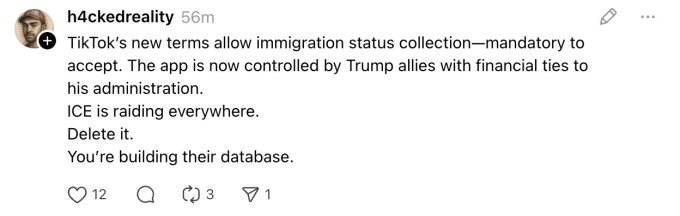
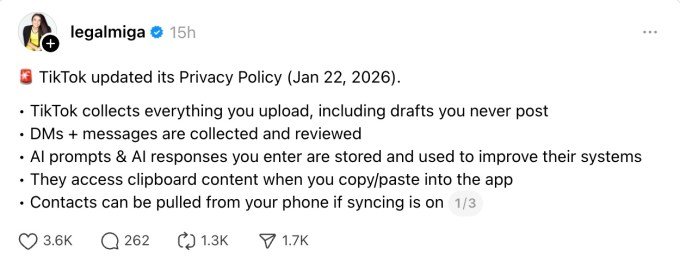
TikTok users across the United States are raising alarms over the platform’s updated privacy policy. Following an in-app notification regarding the app’s shift to new U.S. ownership, many have taken to social media to express concern over clauses detailing the collection of highly personal information, including sexual orientation, transgender status, and immigration status.
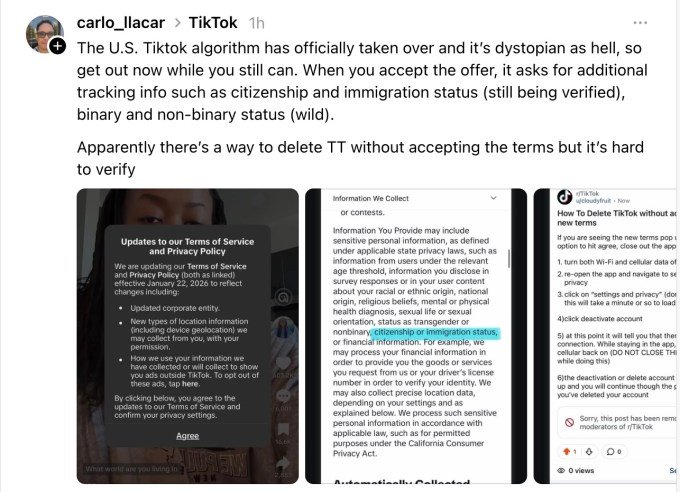
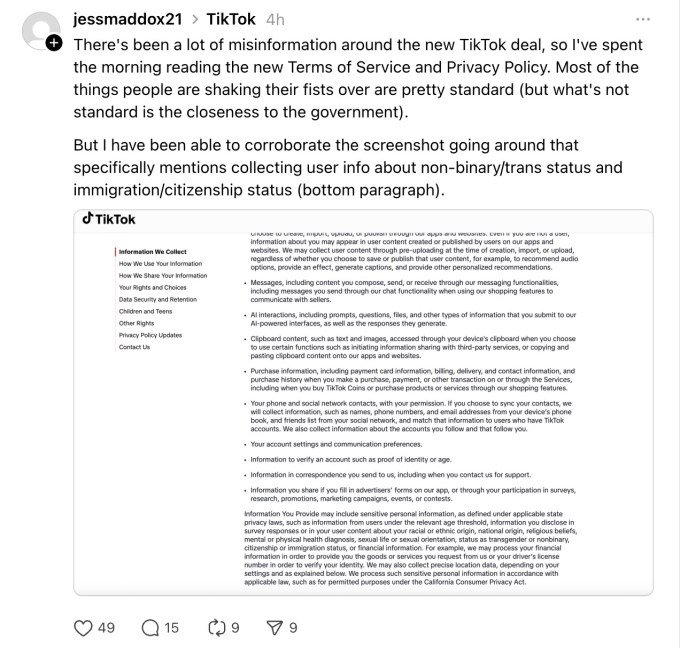
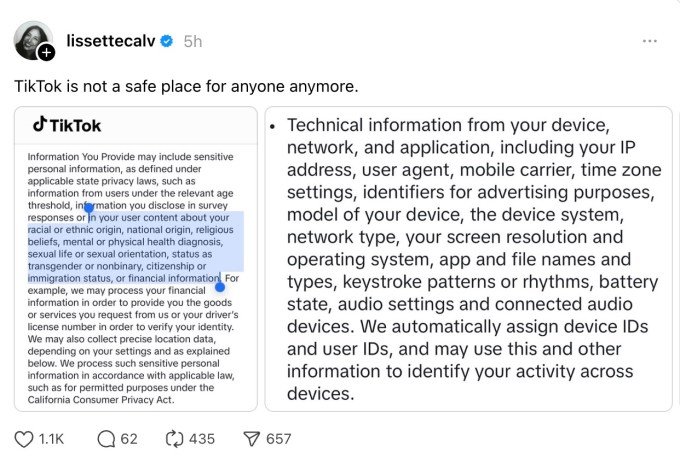
The panic stems from specific language in the document, which notes that the company may process information provided by users in surveys or content, such as their “racial or ethnic origin, national origin, religious beliefs, mental or physical health diagnosis, sexual life or sexual orientation, status as transgender or nonbinary, citizenship or immigration status, or financial information.”
The Legal Context Behind the Language
Despite the viral nature of these claims, the disclosures are not new. The same terminology existed in previous versions of the policy, including the one active before the recent ownership transition. The inclusion of these categories is a direct response to state-level privacy mandates, specifically the California Consumer Privacy Act (CCPA) and the California Privacy Rights Act (CPRA).
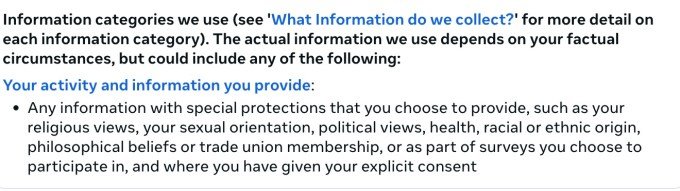
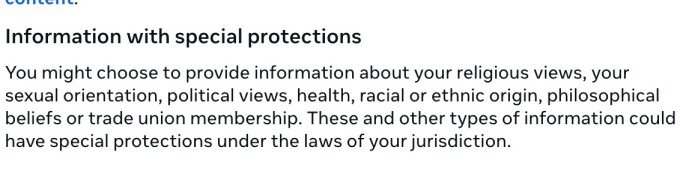
These laws require tech companies to explicitly inform users when they collect “sensitive information.” The list of categories mandated by these statutes includes:
- Social Security, driver’s license, or passport numbers.
- Account log-ins and financial credentials.
- Precise geolocation data.
- Racial or ethnic origin, religious beliefs, or union membership.
- Contents of private communications (mail, email, or text).
- Genetic, biometric, or neural data.
- Health-related data and sexual orientation.
- Citizenship and immigration status.
The specific inclusion of “citizenship and immigration status” became a legal necessity following the signing of AB-947 by California Governor Gavin Newsom in October 2023.
Regulatory Compliance vs. User Perception
“TikTok is required under those laws to notify users in the privacy policy that the sensitive personal information is being collected, how it is being used, and with whom it is being shared,” explains Jennifer Daniels, a partner at the law firm Blank Rome.
Philip Yannella, co-chair of Blank Rome’s Privacy, Security, and Data Protection Practice, suggests that the granular nature of the disclosure is also a defensive measure against litigation. He notes that firms are increasingly facing demands under the California Invasion of Privacy Act (CIPA) related to the alleged collection of sensitive demographic data.
While other social media platforms often summarize these categories more broadly, TikTok’s choice to list them precisely has inadvertently amplified user anxiety. Ashlee Difuntorum, a business litigator at KHIKS, notes that the policy is designed for regulators, not the general public.
“TikTok is essentially saying that if you disclose something sensitive, that information becomes part of the content the platform technically ‘collects,'” Difuntorum says. “Policies like this often look alarming because they’re written for regulators and litigators, not for ordinary consumers.”
A Shift in Political Climate
The timing of this concern coincides with heightened tensions regarding immigration enforcement in the U.S., most notably in Minnesota, where recent protests against Immigration and Customs Enforcement (ICE) have resulted in widespread economic blackouts and thousands of arrests.
Ironically, the push to move TikTok’s U.S. operations under new ownership was originally motivated by fears of foreign surveillance—specifically from China. Now, the discourse has shifted toward domestic concerns, with users questioning how their own government might access data collected by platforms under these updated legal frameworks.
TikTok did not respond to requests for comment regarding the user backlash.