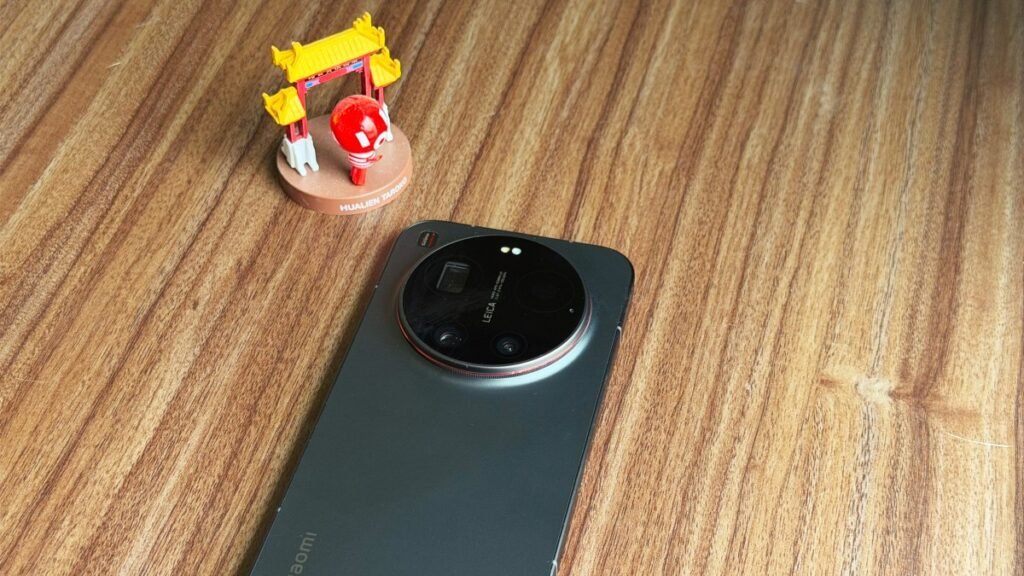
Xiaomi 17 Ultra Arrives With Advanced Camera Tech
Xiaomi has officially launched the Xiaomi 17 Ultra globally, positioning the device as a direct challenger to established industry leaders in mobile photography. By integrating a sophisticated camera housing with specialized Leica software, the manufacturer aims to capture a significant segment of the high-end smartphone market.
Imaging Capabilities
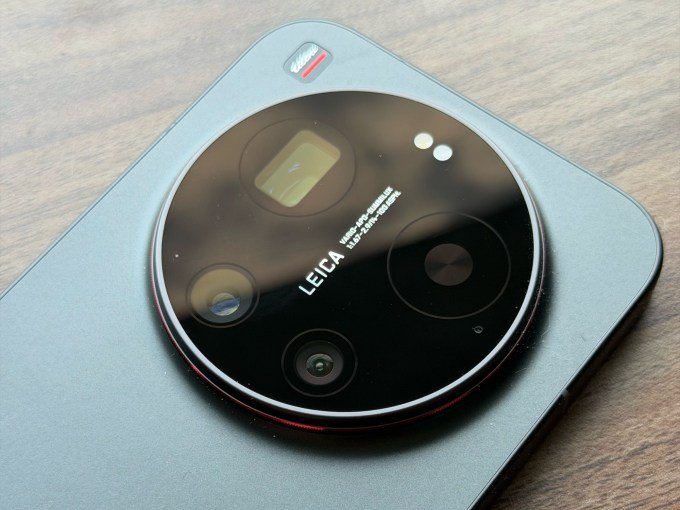
The primary camera features a 1-inch type 50-megapixel sensor with an f/1.67 aperture, designed to maximize light intake. This setup allows for sharp, vivid imagery while maintaining accurate white balance. Users can toggle between 23mm, 28mm, and 35mm focal lengths, mimicking traditional camera framing.
A standout feature is the 200-megapixel telephoto lens. Unlike standard fixed-zoom telephoto setups, this lens offers continuous optical zoom ranging from 3.2x to 4.3x. This provides greater flexibility for framing specific subjects, particularly pets or detailed objects. While the camera interface includes presets for 75mm, 85mm, 90mm, and 100mm, users can manually adjust the zoom control for any focal length within that range.
To enhance the physical shooting experience, Xiaomi offers optional accessories, including a snap-on cover and a USB-based module that adds dedicated hardware buttons for photo and video capture.
Performance and Build
Beyond optics, the device is built with high-end internal components to rival other flagship releases of the year:
- Processor: Qualcomm Snapdragon 8 Gen 5.
- Display: 6.9-inch AMOLED screen with 1200 x 2608 resolution and a 120Hz refresh rate, capable of hitting 3,500 nits peak brightness.
- Battery: 6,000 mAh capacity using silicon/carbon-ion technology, resulting in a device that remains lighter than the iPhone Pro Max.
- Charging: Supports 90W wired charging via PD 3.0 or PPS chargers, alongside 50W wireless charging.
- Memory: 16GB RAM, with storage capacities of 512GB or 1TB.