Bluesky unveils Attie, an AI agent for custom feed creation
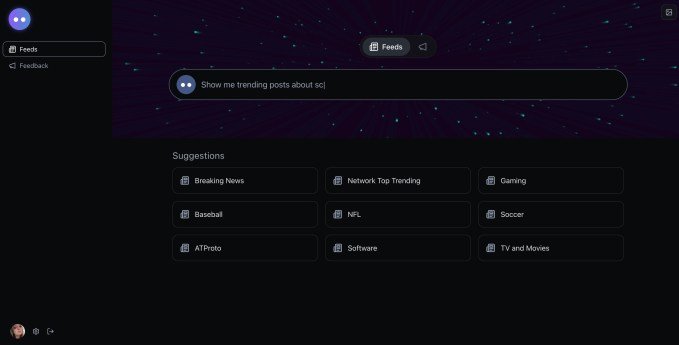
Bluesky is expanding its ecosystem beyond its flagship social network with the introduction of Attie, an AI-driven assistant designed to give users granular control over their online experience. Unveiled at the Atmosphere conference, the tool allows individuals to build custom feeds and curate content through natural language commands.
A New Direction for Jay Graber
The project represents a pivot for former CEO Jay Graber, now serving as Chief Innovation Officer. According to interim CEO Toni Schneider, Graber returned to hands-on development to focus on building new architecture rather than managing corporate operations. Attie is the first product to emerge from her dedicated team.
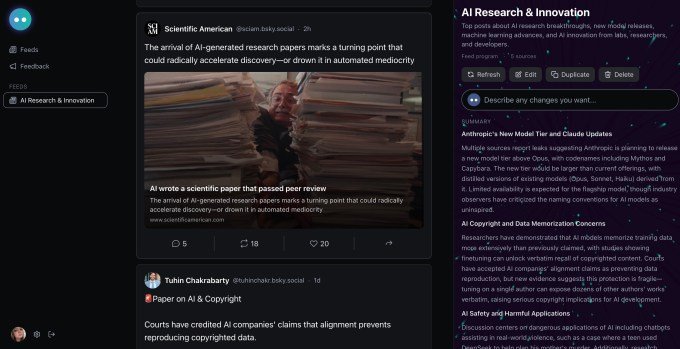
Attie utilizes Anthropic’s Claude to process user requests, operating as a standalone application built on the AT Protocol. By logging in with their existing Atmosphere credentials, users can enable the AI to analyze their preferences and curate social feeds that reflect their specific interests without requiring any programming knowledge.
Empowering Users Over Platforms
The philosophy behind the app is to shift the power dynamic of artificial intelligence. Graber argues that mainstream platforms currently use AI primarily to harvest data and maximize time-on-site. “We think AI should serve people, not platforms,” Graber stated. “An open protocol puts this power directly in users’ hands.”
- Natural Language Control: Users build feeds by chatting with the AI.
- Protocol Integration: Feeds created in Attie will eventually be compatible with other ATProto-based apps.
- Future Roadmap: The team aims to enable “vibe-coding,” allowing users to build entire social applications.
Financial Outlook and Monetization
The launch follows a $100 million funding round, which Schneider notes provides over three years of financial stability. Despite the presence of crypto-focused investors, Schneider explicitly ruled out crypto integration for the platform, addressing concerns from users who feared a shift toward financialized social media.
Instead, the company is looking at sustainable business models similar to the WordPress ecosystem. Potential monetization strategies include subscription tiers or hosting services for communities, rather than the traditional data-harvesting advertising model. With a user base of 43.4 million, the company aims to foster an environment where independent developers and creators can build interconnected, decentralized services.