
Phia Raises $35M to Build AI-Powered Shopping Agent
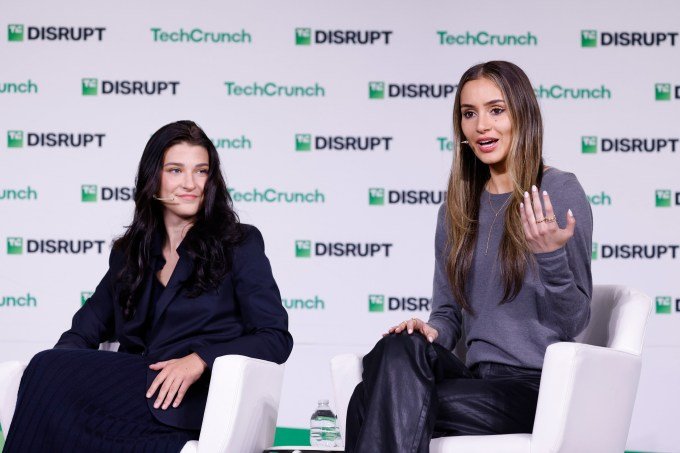
Phia, the AI-driven shopping startup co-founded by Phoebe Gates and Sophia Kianni, has secured $35 million in a new funding round. The investment, led by Notable Capital with participation from Khosla Ventures and returning investor Kleiner Perkins, arrives just 10 months after the company’s inception.
The startup is positioning itself as a “holistic shopping agent,” moving away from traditional e-commerce interfaces. By leveraging machine learning, the founders aim to transform the consumer experience into a personalized, end-to-end journey that accounts for a user’s existing wardrobe, preferences, and specific shopping needs.
Market Impact and Growth
Since its launch, Phia has reported 11x revenue growth and successfully onboarded 6,200 retail partners. The platform currently functions as a mobile app and browser extension that compares prices, suggesting secondhand or resale alternatives to new items. For instance, the tool might identify a more affordable version of a product on platforms like Poshmark.
The founders credit much of this early traction to their social media presence, where they have built a combined following of over 2 million users. They also co-host the podcast The Burnouts, which explores the intricacies of entrepreneurship.
Operational Strategy
The capital infusion is primarily earmarked for talent acquisition. Kianni, a climate activist and former UN adviser, emphasized that the priority is hiring top-tier machine learning engineers to refine the platform’s AI capabilities. The team, currently numbering around 20 employees, plans to use this talent to move beyond static e-commerce pages.
Regarding data privacy, the company has faced scrutiny. In November, a report by Fortune noted that cybersecurity researchers identified a feature in Phia’s browser extension that captured webpage HTML. Phia removed the feature and stated that the data was never stored, asserting that all user information is aggregated and anonymous.
Looking ahead, the founders view the current retail landscape as ripe for disruption. “Commerce itself for the consumer hasn’t really been adapted in the last 30 years,” Gates said. “The opportunity to make a truly personalized, end-to-end shopping experience is today.”