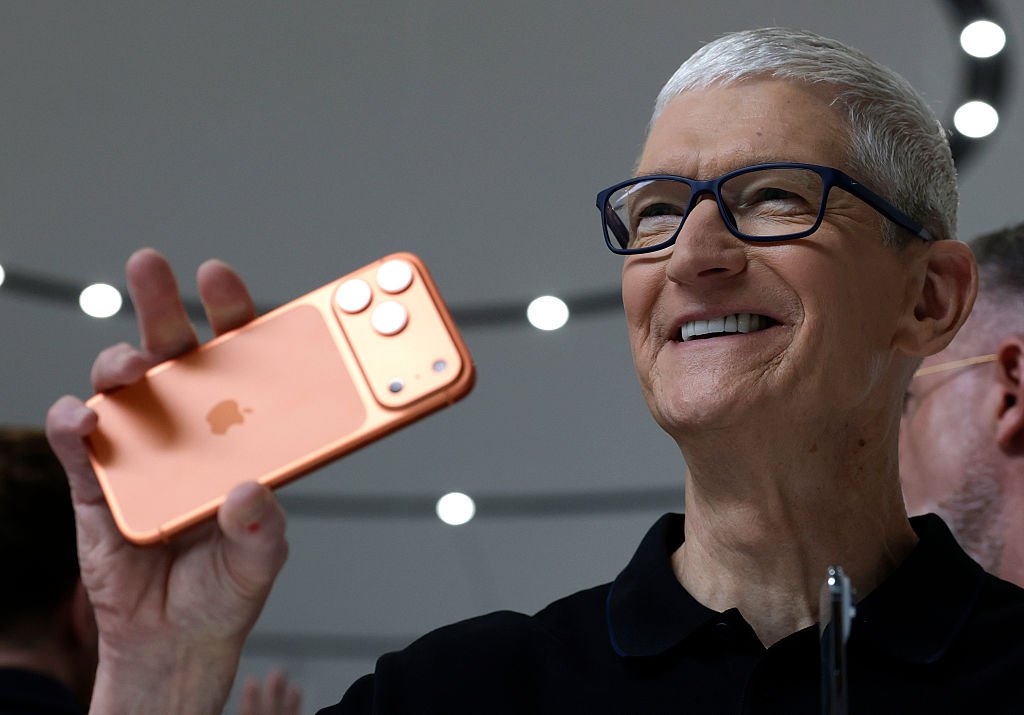
Apple CEO Transition: John Ternus Faces New Era After Cook
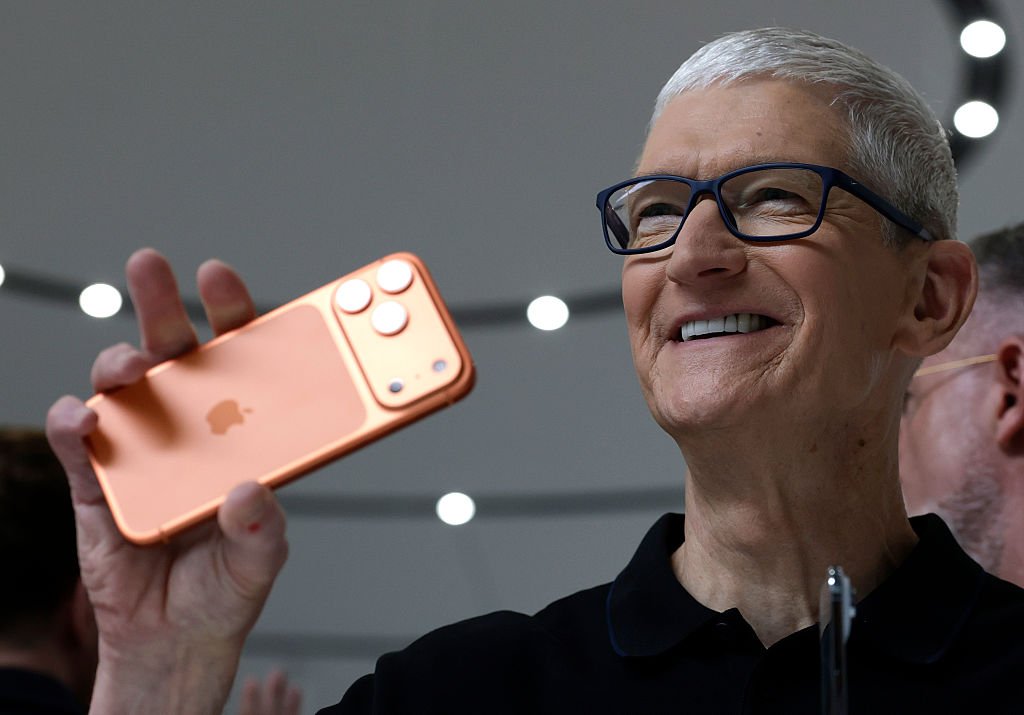
After a 15-year tenure that redefined the company’s global operations, Tim Cook is set to step down as CEO of Apple this September. He will transition into the role of executive chairman, maintaining a presence at the company as it enters a leadership shift under incoming CEO John Ternus.
The announcement has triggered widespread industry discussion regarding the legacy Cook leaves behind and the volatility awaiting his successor. While Cook is often credited with building a financial powerhouse, analysts point out that his most significant “product” was arguably the company’s sophisticated global operations strategy.
Operations as a Product
Kirsten Korosec notes that while many view the appointment of Ternus — a “product guy” — as a nostalgic return to the Steve Jobs era, this perspective overlooks the structural foundation Cook established. Cook’s mastery of supply chain and operational logistics fundamentally changed how the company functions and influenced global economic patterns.
The challenge for Ternus, therefore, lies in filling a void left by a master strategist. As the global economy faces potential fragmentation and the rapid integration of artificial intelligence disrupts traditional business models, the reliance on purely product-focused leadership will be tested.
A Sturdy Financial Foundation
Despite debates over whether Apple’s recent hardware releases, such as the Vision Pro, have been niche or overthought, the company’s financial trajectory remains robust. Sean O’Kane highlights that Ternus inherits a company with significant momentum:
- Services Growth: The services business, a division significantly expanded under Cook, continues to generate substantial revenue.
- App Store Dominance: Recent data indicates the App Store remains a powerhouse, with increasing installs and new releases, debunking theories that distributed software is losing relevance.
- Cash Reserves: Apple ended 2025 with over $45 billion in cash, providing Ternus with the capital to pursue major acquisitions or strategic bets.
The Road Ahead for John Ternus
The transition arrives at a time of geopolitical complexity. Cook’s role as executive chairman is expected to serve as a bridge, particularly regarding Apple’s relationship with the Trump administration. Cook’s history of navigating these high-stakes political waters has been a hallmark of his leadership, though critics have often argued that such pragmatism occasionally came at the expense of the company’s stated values.
Beyond politics, the core question remains whether Apple can maintain its growth by relying on its existing ecosystem or if it requires an entirely new product category. While AI has emerged as a central industry focus, Apple has largely opted for partnerships rather than attempting to build every component in-house. Whether this strategy will suffice as the market evolves remains the central uncertainty for the incoming administration.
“How much volatility is around the corner?” O’Kane noted. “Are we really looking at a situation with the breaking apart of a global economy, along with the rise of artificial intelligence changing how business gets done?”