
Apple Opens iOS to Third-Party App Stores in Japan
Apple has officially confirmed it will permit alternative app marketplaces and third-party payment processing for digital goods on iOS within Japan. The shift comes as the tech giant moves to comply with the country’s newly enacted Mobile Software Competition Act (MSCA).
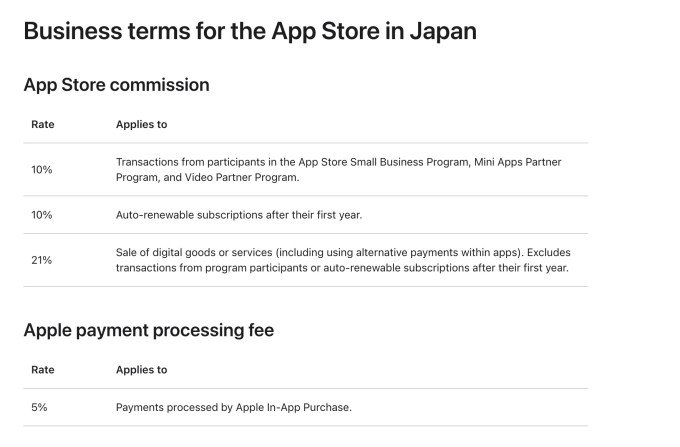
The decision marks another expansion of Apple’s compliance efforts, mirroring the changes forced by the European Union’s Digital Markets Act (DMA). Similar to the European model, Apple has implemented a complex fee structure to retain revenue while adhering to the new legal requirements.
Security and Compliance Requirements
To address the transition, Apple warned that opening the ecosystem could introduce risks, including malware and scams. In coordination with Japanese regulators, the company has introduced a “Notarization” process for app marketplaces. Apple claims this system is designed to safeguard users, particularly children, from harmful content.
Developers operating in Japan must agree to the latest update of the Apple Developer Program License Agreement by March 17, 2026, to utilize these new distribution and payment options.
Criticism from Epic Games
The announcement has drawn sharp criticism from Epic Games CEO Tim Sweeney. Despite the regulatory change, Sweeney confirmed that Fortnite will not return to iOS in Japan, citing Apple’s decision to charge a 21% fee on third-party in-app purchases.
Sadly, Fortnite will not return to iOS in Japan in 2025 as promised. Apple was required to open up iOS to competing stores today, and instead of doing so honestly, they have launched another travesty of obstruction and lawbreaking in gross disrespect to the government and people… pic.twitter.com/7hu5eGMQX6
— Tim Sweeney (@TimSweeneyEpic) December 18, 2025
In a statement posted to X, Sweeney characterized the move as an “obstruction” and a “travesty,” comparing Apple’s commerce surveillance API to a system where a company forces competitors to report all transactions back to them. He noted that such a requirement would be unthinkable if implemented by other platforms like Microsoft.
This development follows ongoing legal battles in the United States, where courts have previously mandated that Apple allow developers to process payments outside of its proprietary system, though the specific implementation of those rulings remains subject to legal appeals.