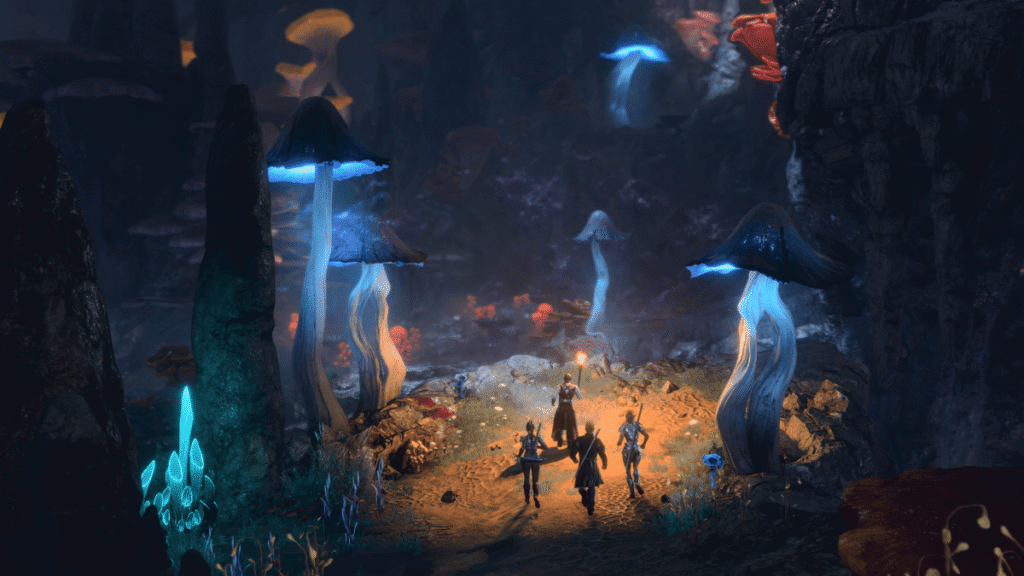
Baldur’s Gate 3: A New Benchmark for Modern RPGs
Larian Studios has delivered a masterclass in player agency with Baldur’s Gate 3, a sprawling roleplaying adventure that translates the tactical depth of Dungeons & Dragons into a rich, digital format. Rather than guiding players through a linear path, the game drops them into an unforgiving yet rewarding environment where every decision triggers a cascading effect of consequences.
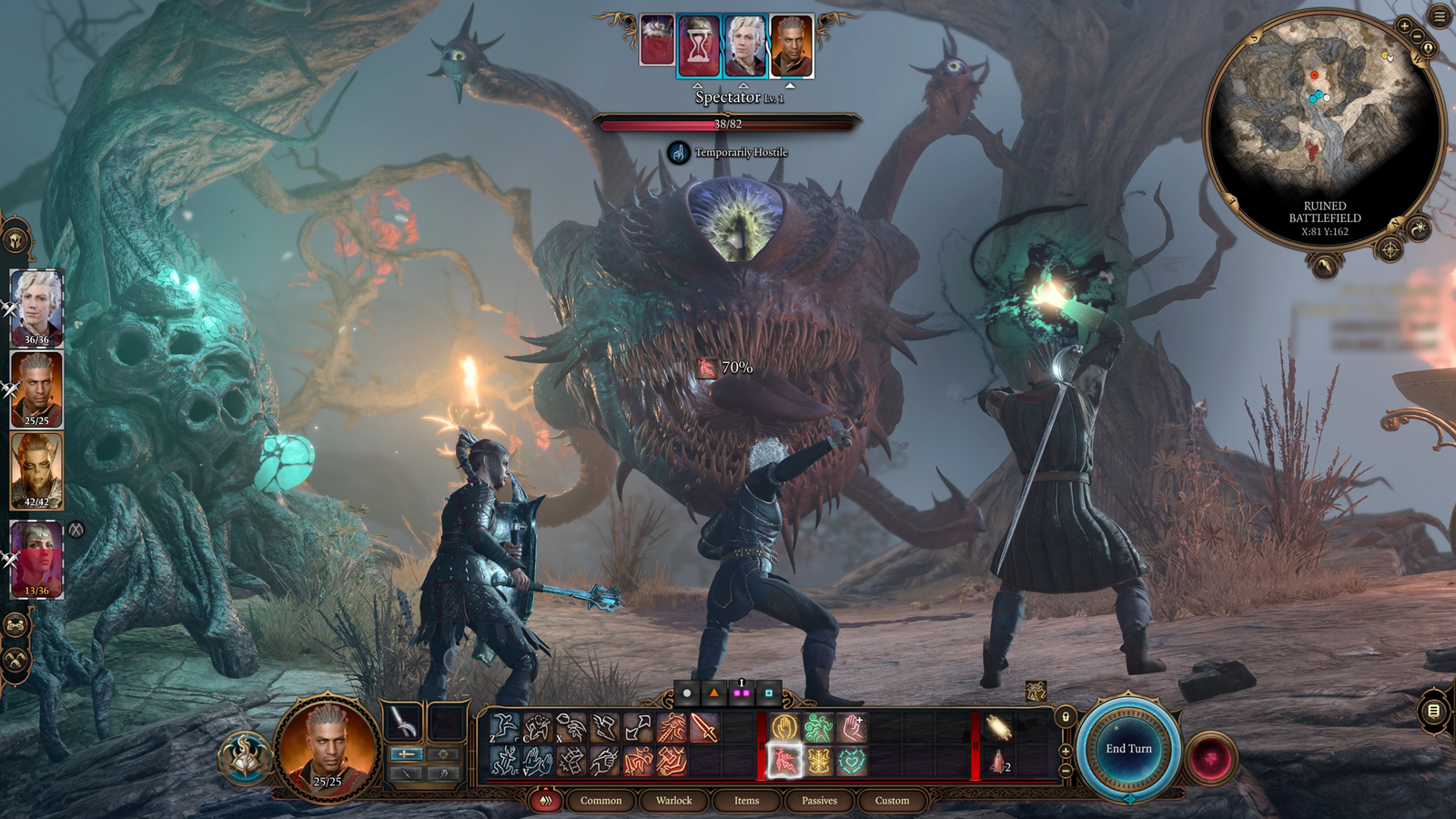
The game serves as a spiritual successor to the classic Baldur’s Gate 2, a title revered for over two decades. By leveraging the Forgotten Realms setting, Larian has crafted a world populated by gods, monsters, and complex civilizations. While the game utilizes the current D&D ruleset—including its race, class, and subclass options—it remains accessible to newcomers who have never rolled a physical 20-sided die.
Unparalleled Interactive Freedom
What sets this title apart from traditional open-world games is its refusal to rely on menial errands or shallow questing. Instead, Baldur’s Gate 3 emphasizes creative problem-solving. Whether players choose to bypass a locked door via illusion spells, teleportation, or brute force, the game acknowledges and rewards ingenuity.
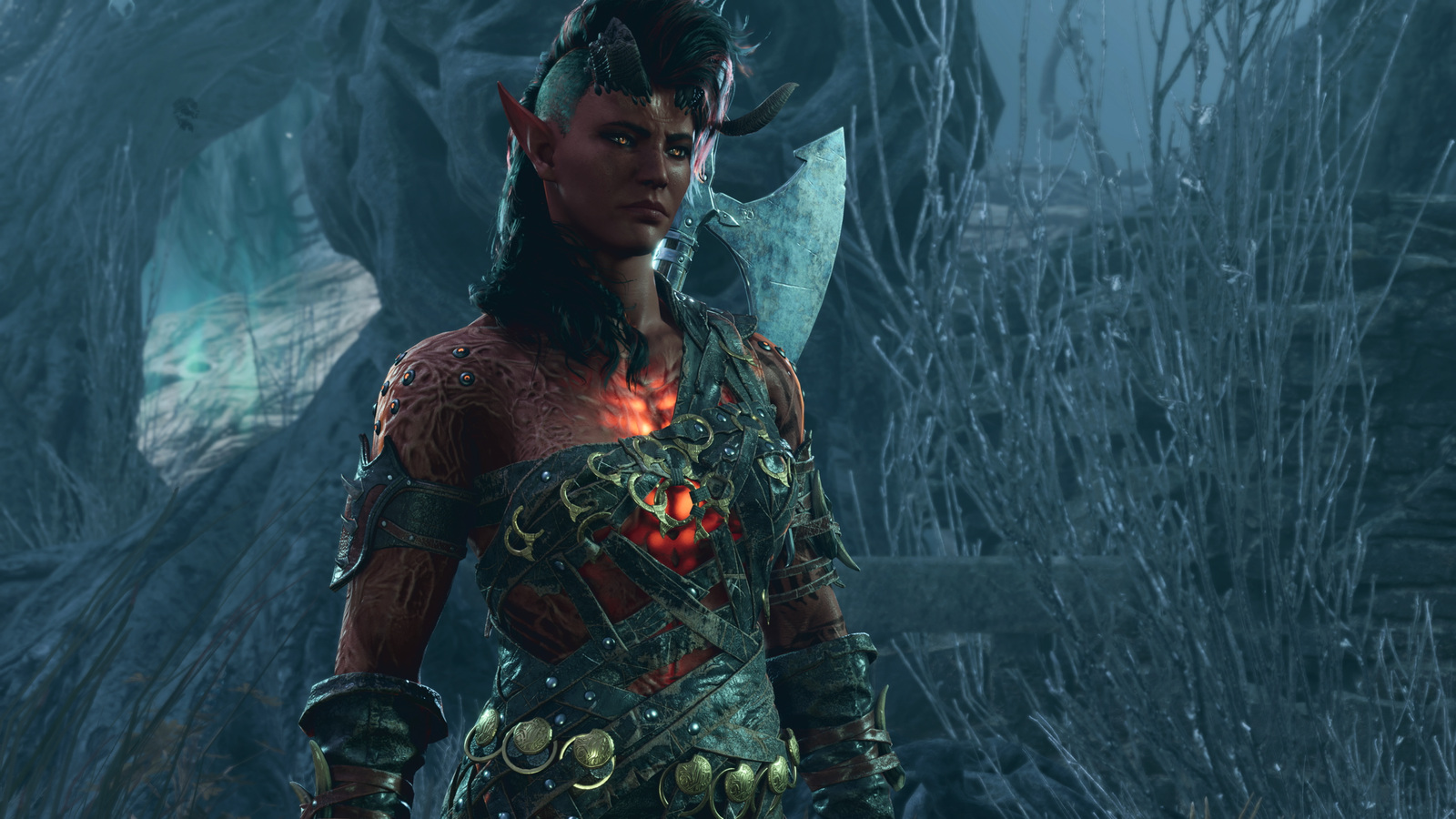
The narrative is driven by a cast of deeply flawed, morally complex companions. Interactions with characters like the enigmatic Astarion or the tiefling Karlach reveal the game’s commitment to nuanced storytelling, where dialogue choices can range from cynical manipulation to genuine empathy. This depth extends to the game’s social mechanics, where spells like “Friends” provide tactical advantages in conversation, simulated through satisfying, randomized dice rolls.
A Massive Technical Achievement
The scale of the game is equally impressive, with a single playthrough spanning over 100 hours of content. The map design avoids the “filler” trap, opting for a FromSoftware-esque approach to interconnectedness. Hidden portals and secret areas are tucked away in corners that players might never see, making discoveries feel earned rather than forced.
- Player Agency: Solutions to obstacles are limited only by the player’s imagination and available spellbook.
- Class Flexibility: Players can respec their characters on the fly, encouraging experimentation with different builds.
- Replayability: With custom character creation and the intense “Dark Urge” story path, no two experiences are identical.
The title is already making waves on PC, having shattered records with over 800,000 concurrent players on Steam. As it prepares for a PlayStation 5 launch, the game stands as a significant milestone in the industry, proving that players are eager for complex, narrative-driven experiences that treat them with intelligence.
While minor bugs persist, the core experience remains a triumphant evolution of the genre. By combining high-end graphics with the tactical legacy of Dungeons & Dragons, Baldur’s Gate 3 sets a new, demanding bar for what a modern fantasy RPG can achieve.