
Beehiiv CEO Sees “Huge Consolidation” Ahead for Creators
As Beehiiv marks its four-year anniversary, the platform is signaling a departure from its newsletter-only roots. CEO Tyler Denk is steering the company toward becoming an “operating system for the content economy,” a shift underscored by the recent rollout of an AI-powered website builder and expanded support for podcasts, digital courses, and product sales.
The strategic pivot comes as the creator landscape faces growing pressure to evolve. According to Denk, who also authors his own startup newsletter, the expansion was a direct response to user feedback. Creators were increasingly seeking professional-grade flexibility—such as lead collection and course hosting—that basic blog templates could not provide.
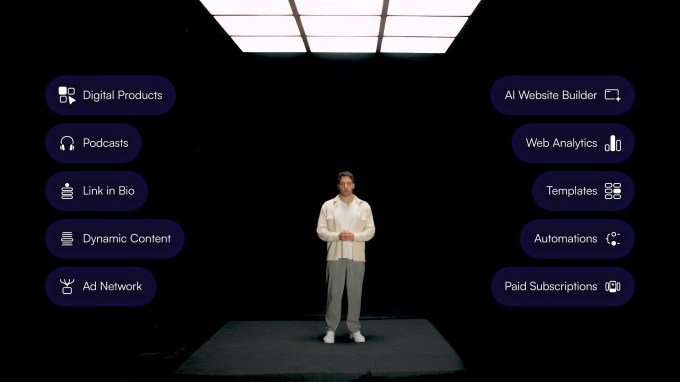
“All of our users were like, ‘Hey, this is great, I like using your email stuff, [but] my blog looks like everyone else’s. It’s terrible. It’s not customizable,’” Denk said. This demand prompted the company to acquire the YC-backed firm TypeDream, accelerating their product velocity to meet the needs of both individual creators and large-scale publishers like TechCrunch, Time, and Newsweek.
The Future of the Creator Space
Denk expects significant changes in how these platforms coexist. He predicts a period of “huge consolidation” within the creator economy, whether through business closures or mergers and acquisitions.
Despite the crowded market, Denk rejects the notion that the opportunity for new newsletters has vanished. He maintains that quality content remains the primary driver of success, especially as the social media landscape becomes increasingly fragmented. Key takeaways from his vision include:
- Infrastructure over social feeds: Unlike competitors attempting to build social networks, Beehiiv positions itself as the “Shopify of content,” providing tools for independent media businesses without controlling the audience data.
- Revenue focus: The platform maintains a policy of not taking a cut of creator revenue, focusing instead on subscription-based software pricing.
- The “Rebel” Thesis: Inspired by Shopify’s approach to digital commerce, Denk sees his platform as a way to “arm the rebels,” allowing journalists and creators to bypass traditional institutions and build sustainable, independent brands.
Addressing concerns about market saturation, the CEO noted that while the digital space is crowded, the “1,000 true fans” model proves that niche creators can thrive with as few as a couple of thousand subscribers. He pointed to successful transitions, such as journalist Oliver Darcy’s Status, as evidence that newsletter-native companies are becoming a viable alternative to legacy media.
Looking toward 2026, Denk believes the rise of AI will only heighten the need for human-centric content. “I think leaning more into personal brand storytelling and this human connection will be more important than ever as AI proliferates,” he concluded.