Best Web Browsers 2026: Top Alternatives to Chrome and Safari
While Google Chrome and Apple’s Safari remain the heavyweights of the internet, the landscape of web browsing is shifting. As generative AI integrates deeper into our digital lives, a new wave of specialized browsers is emerging to challenge the status quo, offering features that range from autonomous task completion to enhanced mental well-being.
The Rise of AI-Agentic Browsers
The latest generation of browsers is moving beyond simple page rendering, acting more like digital assistants that can navigate the web on your behalf.
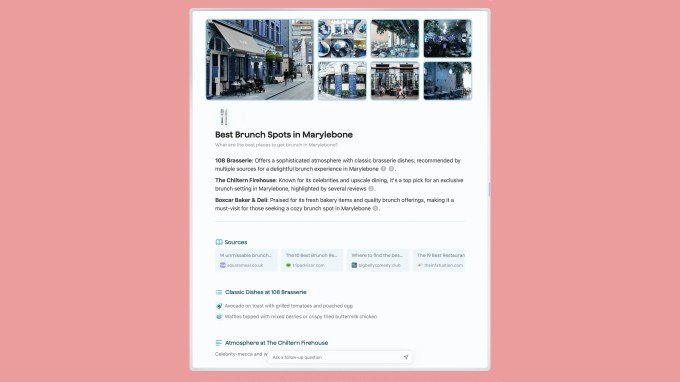
- Perplexity’s Comet: This chatbot-centric search engine handles complex tasks like summarizing emails and managing calendar invites. It is currently available to users on the $200/month Max plan, with a waitlist open for others.
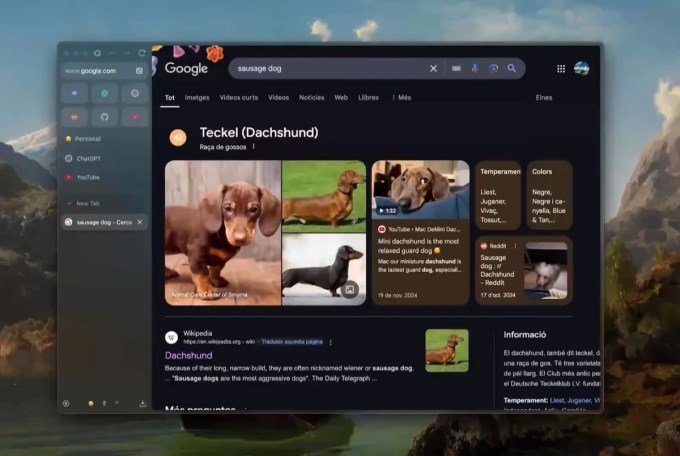
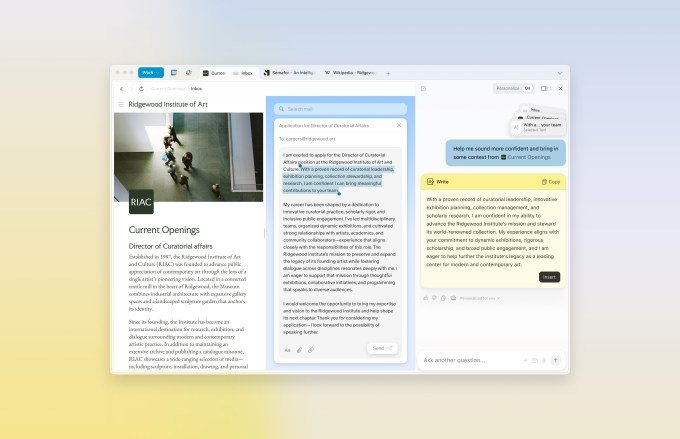
- The Browser Company’s Dia: Currently in an invite-only beta for Arc members, Dia excels at cross-site awareness. It can analyze the pages you visit, summarize uploaded documents, and provide specific product insights.
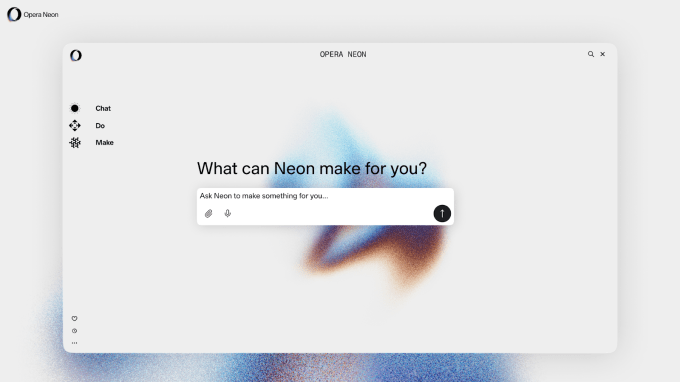
- Opera’s Neon: Priced at $19.90 per month for Windows and macOS, Neon offers contextual awareness for research and shopping, even maintaining functionality while the user is offline.
- OpenAI’s Atlas: Launched for macOS in October, Atlas integrates ChatGPT directly into the browsing experience. It features an “agent mode” designed to execute tasks autonomously.
- Aside: A Y Combinator-backed project that operates directly within the browser rather than through external integrations. It manages data across platforms like Slack, Notion, and Gmail.
- Jatter: A versatile option available on Mac, Windows, and mobile that includes an integrated Notes app, allowing the browser to learn from your saved content and provide personalized insights.

Focus on Privacy and Open Source
For users prioritizing data sovereignty, several browsers are doubling down on blocking trackers and avoiding the Chromium-dependency trap.
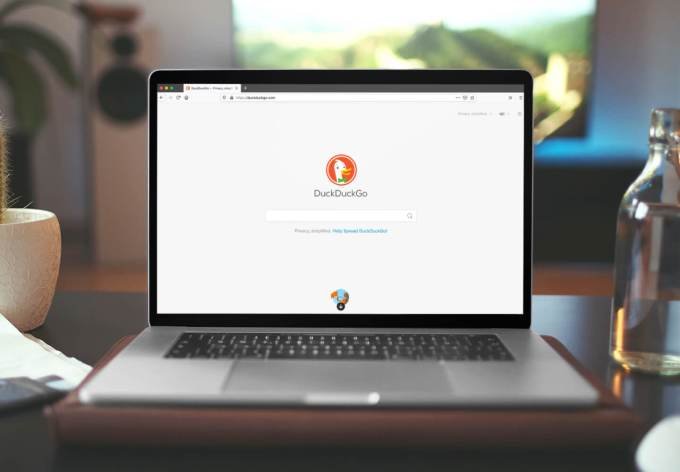
Brave remains a leader in this space, offering a gamified experience where users can earn Basic Attention Tokens (BAT) for opting into ads. It also includes a built-in VPN and AI assistant. Similarly, DuckDuckGo has expanded its focus beyond its search engine, recently upgrading its scam-blocking capabilities to detect fraudulent e-commerce sites and crypto scams.
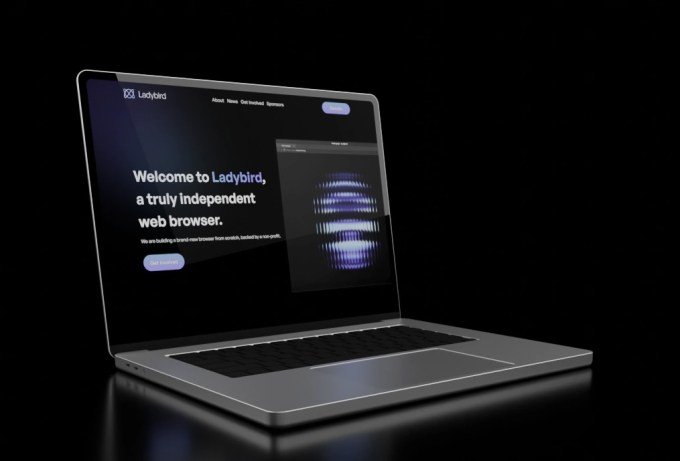
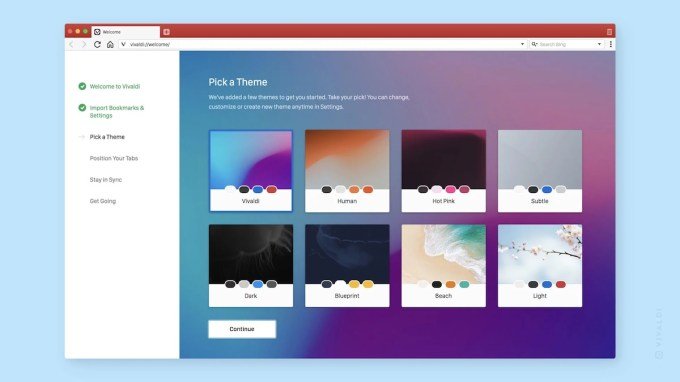
In a bold move for the open-source community, Ladybird is building a brand-new browser engine from scratch, led by former GitHub CEO Chris Wanstrath. By moving away from the Google-maintained Chromium base, it aims to offer a truly independent browsing experience, with an alpha release expected in 2026. For those who prefer a highly customizable Chromium experience, Vivaldi continues to offer deep UI control, productivity tools, and a color-matching interface that adapts to the site being viewed.
Niche Tools for Productivity and Mindfulness
Beyond standard browsing, some developers are targeting specific user needs, such as mental health and workflow organization.
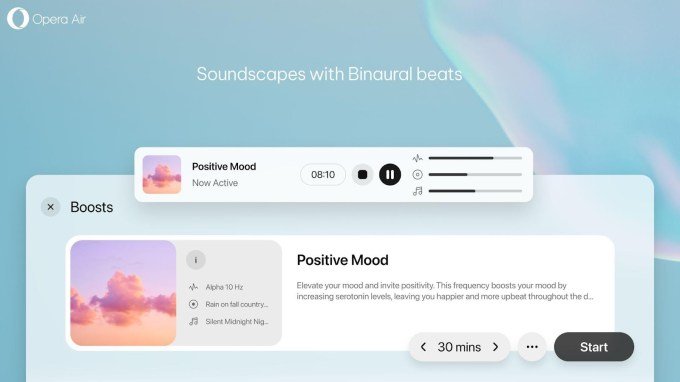
- Opera Air: A “mindfulness” browser that includes break reminders, breathing exercises, and binaural beats (“Boosts”) to aid focus or relaxation.
- SigmaOS: A Mac-exclusive, workspace-oriented browser that treats tabs like a to-do list. It offers a free tier, with a $8/month subscription for unlimited workspaces.
- Zen Browser: Designed for a “calmer internet,” this open-source tool features split-view capabilities and a robust community plugin system for custom themes and functionality.