Google Gemini Spark: Real-World Test of the New AI Agent
Google recently introduced Gemini Spark, an agentic AI assistant designed to handle the tedious aspects of your digital life. Unlike standard chatbots that require constant interaction, Spark operates in the cloud to manage tasks like summarizing inboxes or organizing complex spreadsheets without keeping your laptop awake.
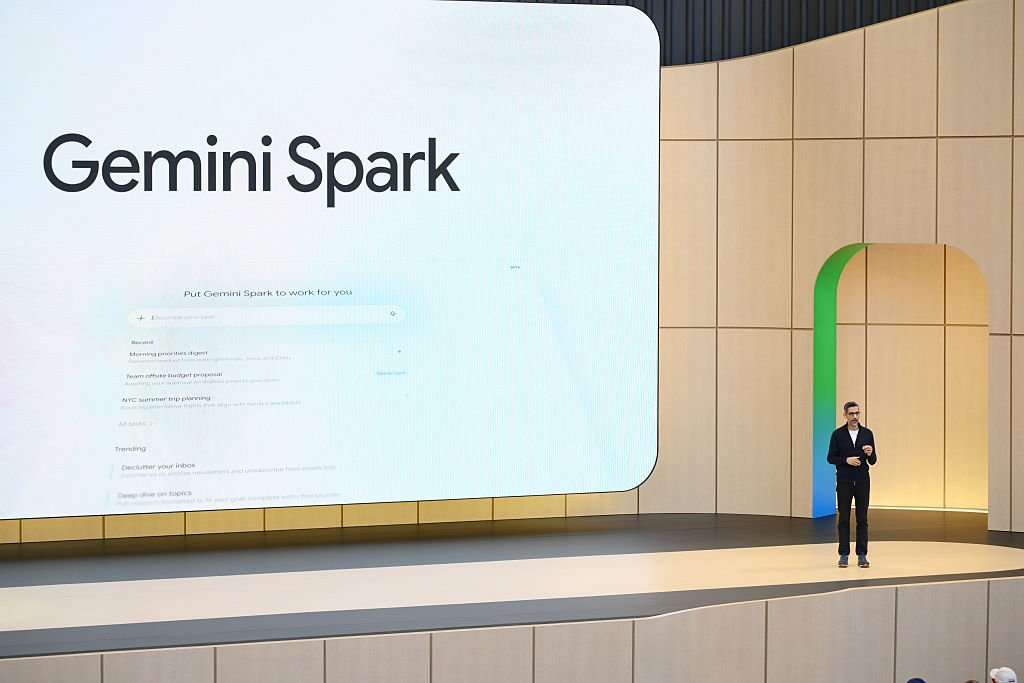
Unveiled by CEO Sundar Pichai at the annual I/O developer conference in May, Spark is positioned as a tool for everyday users—those who need to get things done without the technical overhead of maintaining an “always-on” AI system. But does it actually hold up in day-to-day scenarios?
Real-World Performance: From Shopping to Planning
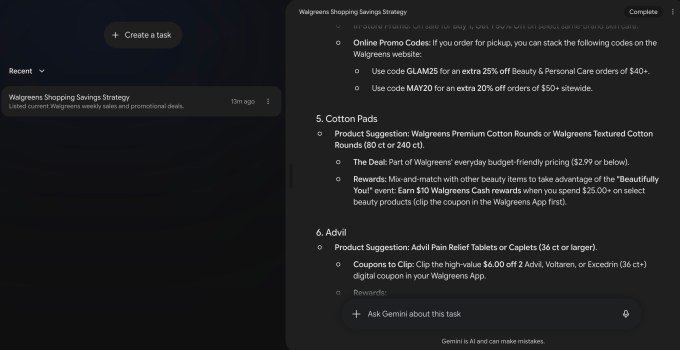
To determine if Spark is a “must-have” or just a novelty, we put the service through a series of practical tests. When tasked with finding local drugstore deals, the AI performed well, identifying relevant sales and suggesting digital coupons for the Walgreens app. While one promo code failed to apply, the AI’s ability to stack rewards and buy-one-get-one offers provided tangible savings.
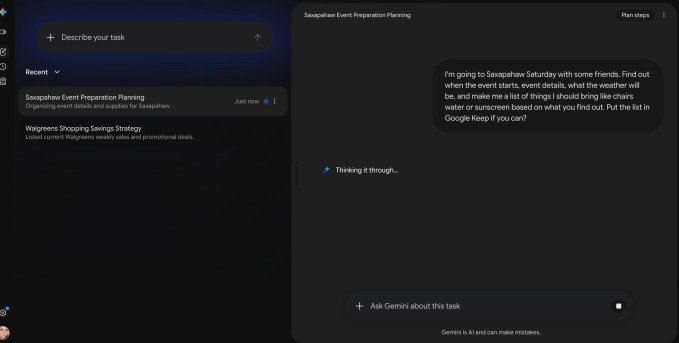
Testing its utility for event planning, we asked Spark to generate a packing list for a day trip. The AI successfully accounted for weather, event specifics, and even warned that pets were not allowed. However, the experience highlighted a significant gap: the tool cannot interact with Google Keep. Forcing a user to create a Google Doc for a simple packing list feels like overkill.
Limitations in Automation
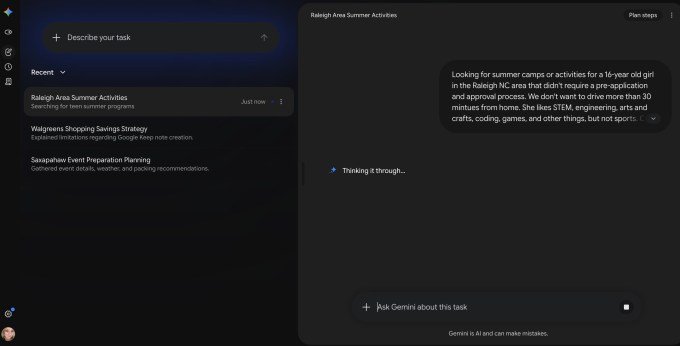
While the AI is capable of searching for information, it often misses key details unless specifically prompted. For example, when searching for summer activities for teens, Spark provided a solid list of options but failed to include dates or pricing, requiring manual follow-up. Similarly, an email summarization task encountered minor friction with link redirects and inaccurate counting (returning four items instead of the requested five).
The Verdict on Branding and Usability
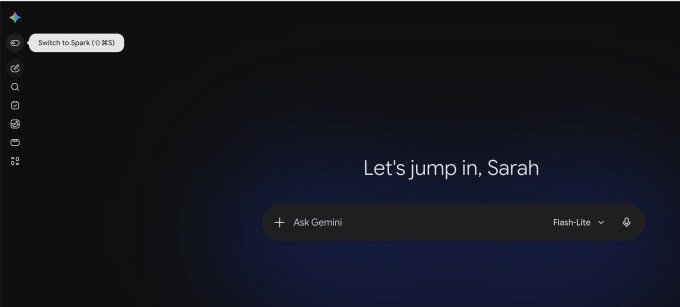
The primary concern with Gemini Spark is its existence as a separate, branded product. Having to toggle between “Gemini” and “Spark” adds mental load rather than reducing it. Users want a single, cohesive experience, not a complex ecosystem of branded AI tools.
Furthermore, the lack of integration with third-party services—like booking restaurants via Resy or checking flight availability—limits its potential. While it performs well within Google’s own productivity suite (Docs, Sheets, Slides, Gmail), it struggles to feel like a truly universal assistant. For now, it serves as a useful, though slightly fragmented, tool that still requires significant human oversight to be truly effective.