Cyberdecks Rise: Women Reclaim Tech With DIY Creativity
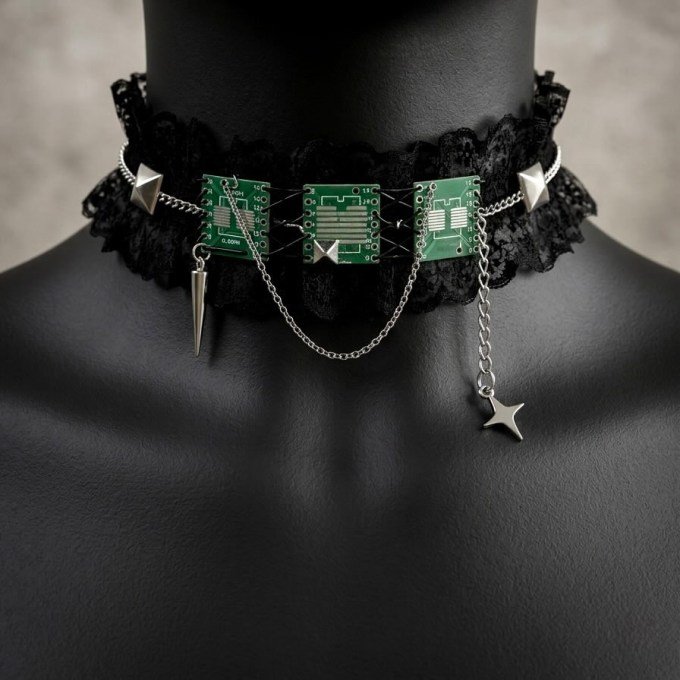
A new wave of custom-built, highly personalized computers known as “cyberdecks” is challenging the sterile, uniform aesthetic of modern consumer electronics. Driven by creators on platforms like TikTok and Instagram, this movement is transforming small, DIY hardware—often powered by Raspberry Pi boards—into expressive, hyper-feminine art pieces.
The trend represents more than just a hobby; it is a pushback against the “black box” nature of contemporary tech, where devices like smartphones are increasingly locked down by manufacturers. By building their own machines, creators are reclaiming agency over their hardware.
Design as Resistance
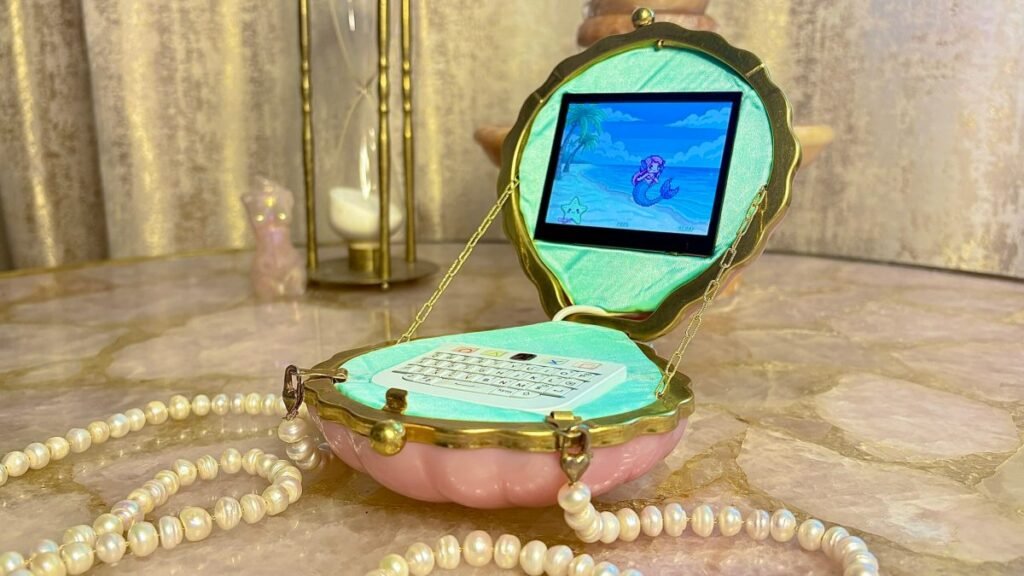
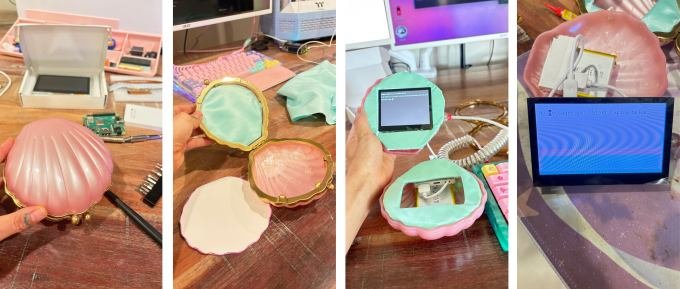
For creators like CC, the founder of the Bimbo Tech blog, the aesthetic choice to use pink materials or unconventional housings—such as a mermaid purse—is a direct critique of the industry’s default “black or silver” design language. Her seashell-encased device functions as a Tamagotchi, e-reader, and local AI terminal, proving that high-level utility doesn’t require a corporate-approved look.
This movement draws inspiration from the 1984 sci-fi classic Neuromancer, which first popularized the term “cyberdeck.” While early enthusiasts focused on raw specs, the current generation emphasizes personal expression:
- Nature-inspired builds: Computers integrated into wood and moss that run vintage games.
- Wearable tech: Pieces like corsets and purses that incorporate functional motherboards.
- Surreal housings: Mini-computers hidden within Barbie dollhouses or fossil-themed 3D prints.
built a #cyberdeck inside a pink mermaid shell 🐚 🍓🫐 #raspberrypi 3A+ 512MB 💾 my own custom os 🤖 #ai assistant 🧜♀️ mermaid tamagotchi 📖 e-reader ⌨️ markdown editor 📊 server monitor ◼️full terminal 🕸️ mesh vpn full #howto build guide + all parts linked @ bimbotech.co/cyberdeck 🧜♀️ #tech by girls 💖
Weaving Technology and History
Maro Vardanyan, a blockchain developer who began experimenting with “macrame motherboards,” sees these projects as a tribute to the women who pioneered computing. She notes that early core rope memory, used in the Apollo Guidance Computer, was physically hand-woven by seamstresses.
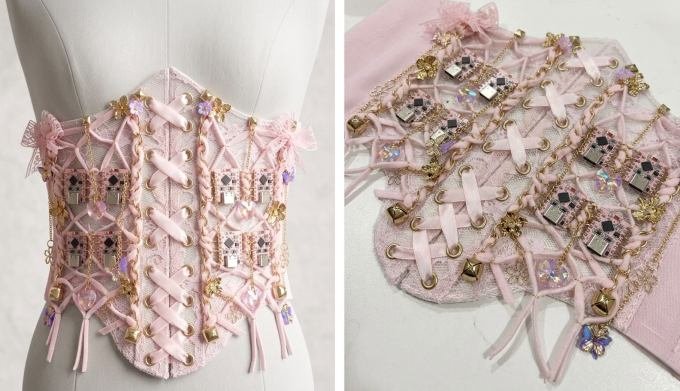
“The original processor was handwoven by seamstresses, not by engineers or anybody else,” Vardanyan said. By incorporating conductive threads and housing components in crochet, she is bridging the gap between historical craft and modern hardware.
Challenging Gatekeeping
Despite the innovation, these creators often face skepticism from online communities. Both CC and Vardanyan have reported dismissive comments from men questioning the practicality of their builds or the use of components like the Raspberry Pi.
However, the community is growing rapidly. For these builders, the goal isn’t to create the “best” or most efficient computer in the market, but to dismantle the culture of proprietary, un-tinkerable devices. By choosing to build their own tools, these women are fostering a new, collaborative environment where technical skills are shared freely—a necessary cultural shift in the tech landscape.