
Date Drop: Stanford student’s dating app secures funding
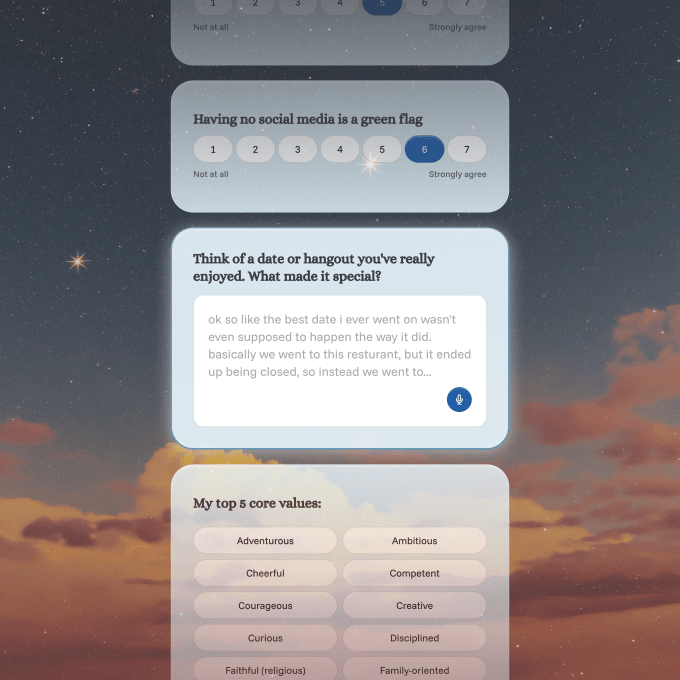
Henry Weng, a computer science graduate student at Stanford, is challenging the traditional swiping model of online dating with his startup, Date Drop. The platform, which pairs users for one date per week based on detailed profiles, has already attracted “a few million” in seed funding from prominent tech investors.
The company, incorporated as The Relationship Company, counts backers such as Zynga founder Mark Pincus, former Coatue partner Andy Chen, and Elad Gil, an early investor in Airbnb and Stripe. Weng’s project originated as a campus tool but has since expanded to 10 other institutions, including MIT, Princeton, and the University of Pennsylvania.
From Campus Project to Public Benefit Corporation
Unlike conventional dating apps, The Relationship Company is structured as a public benefit corporation, a legal designation that mandates the prioritization of social impact alongside profitability. Weng credits the success of his platform to a shift in user behavior; while standard apps often prioritize volume, Date Drop focuses on long-term compatibility.
“Our matches convert to actual dates at about 10x the rate of Tinder,” Weng said. “Instead of swiping, we get to know each person deeply and send them one compatible match per week.”
The Science Behind the Match
Weng’s approach is rooted in academic matching theory, a field he studied extensively by creating his own undergraduate major. The platform’s algorithm relies on two primary data streams:
- Comprehensive Profiling: Users provide data through questionnaires, open-ended responses, and voice conversations to build a nuanced picture of their personality.
- Outcome-Based Training: The system leverages data from actual dates planned through the app to refine its compatibility model based on real-world results.
According to Weng, approximately 95% of the 5,000 students who have tested the service since its launch last fall are actively seeking long-term relationships. He intends to broaden the platform’s reach beyond universities, with plans to pilot the service in select cities this summer.
Building a Culture of Connection
Weng’s management philosophy reflects his company’s mission. He provides his core team and campus ambassadors with a $100 monthly “relationship stipend,” encouraging them to invest in experiences that strengthen their personal or professional connections.
Interestingly, Weng cites an unlikely influence on his entrepreneurial journey: a university course titled “Intro to Clown.” He explains that the discipline taught him to embrace failure as a necessary component of product development. Looking ahead, he envisions The Relationship Company evolving into a broader infrastructure for facilitating all types of meaningful human connections, including professional networks and community groups.