Figma Updates Platform With Code Layers and AI Features
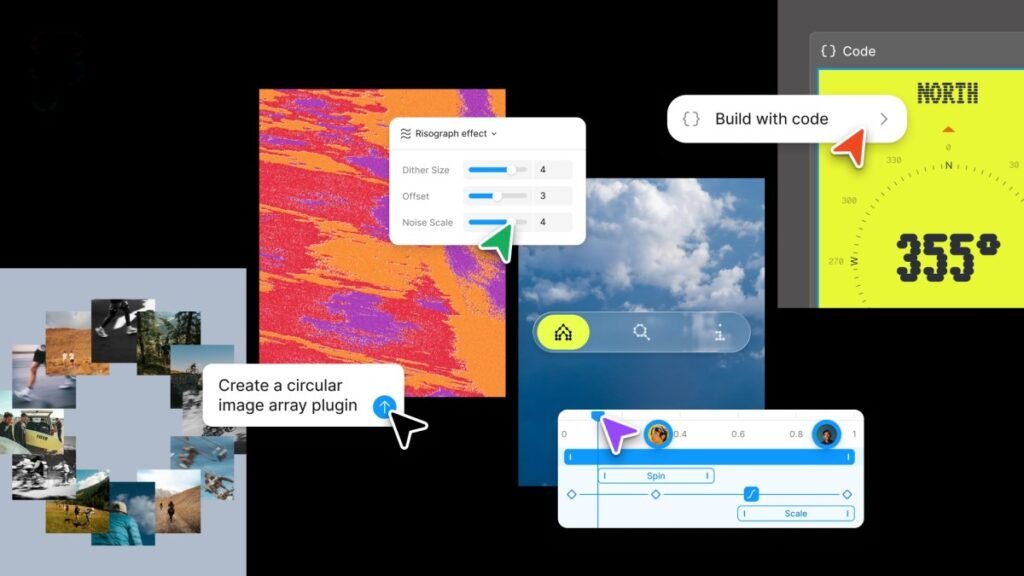
Figma is significantly expanding the capabilities of its collaborative canvas, introducing a major update that integrates code layers, native animation support, and advanced AI-driven workflows directly into the design environment.
The update marks a shift in how product teams interact within the platform. By bringing code layers onto the canvas, Figma aims to bridge the gap between design concepts and technical implementation, allowing teams to clone repositories and extract flows for rapid testing without the immediate pressure of production-ready code.
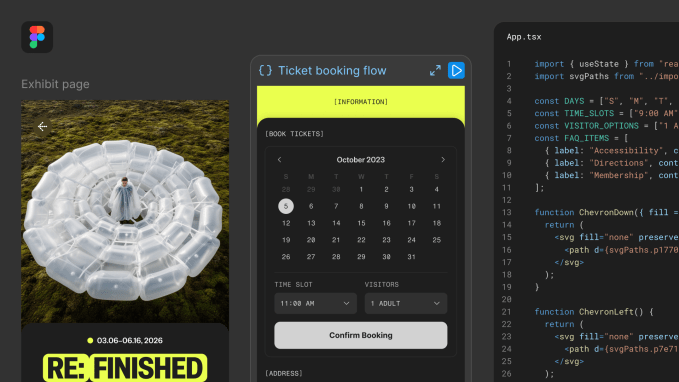
Yuhki Yamashita, Chief Product Officer at Figma, noted that the multiplayer canvas serves as a unique space for exploration. “We think the multiplayer canvas is really powerful because this is an environment where you don’t really care about the quality of the code,” Yamashita explained. “If you’re rapidly exploring or need to kind of explore a bunch of new directions, you can do that in this spatial way.”
Enhanced Motion and AI Capabilities
Designers can now handle animations, transitions, and 3D transforms directly inside Figma, eliminating the need to rely on external software for motion prototyping. Furthermore, the platform is integrating AI to assist in asset creation, including the generation of shader effects and fills via text prompts.
The company also outlined several upgrades to its AI-driven features:
- Custom Plug-ins: Users can now generate tools like vector path tracers or layout generators using natural language prompts.
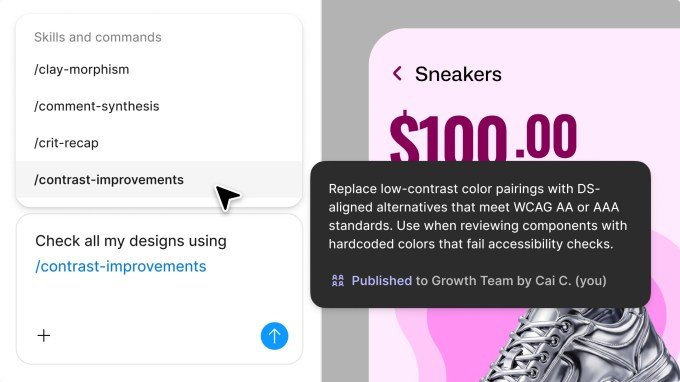
- Expanded Agent Skills: The AI assistant can now be programmed with repeatable skills and connected to external data sources.
- Tool Integration: Users can link the AI to platforms including GitHub, Notion, Excel, and Granola, or attach specific files to provide context for tasks.
Additionally, Figma is deepening its integration with Weavy, a node-based tool acquired last year. A forthcoming update will allow users to generate and manage Weavy workflows directly within the Figma interface, further consolidating the design and development pipeline.