Google Chrome Adds Gemini Sidebar and Autonomous AI Agents
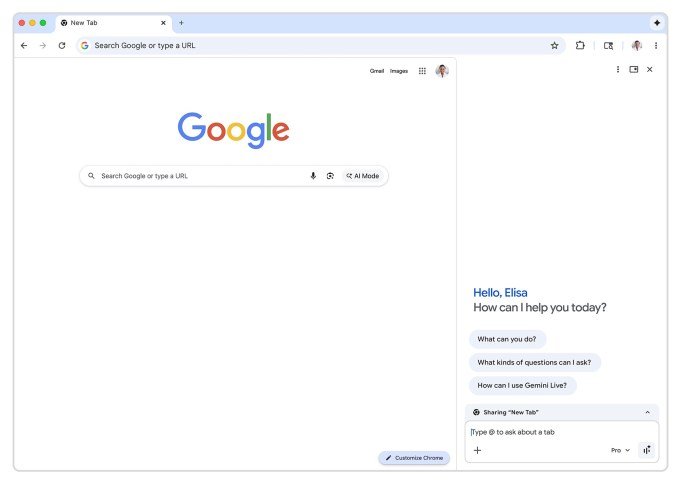
Google is significantly upgrading the Chrome browser with a new persistent Gemini sidebar, directly challenging the growing ecosystem of AI-powered browsers that have emerged over the past year. By integrating its own generative AI more deeply into the world’s largest browser, Google aims to streamline how users interact with web content and automate complex digital workflows.
The update transitions Gemini from a temporary floating window into a permanent fixture on the side of the browser. This allows for continuous interaction, where the assistant can analyze the specific webpage currently in view or synthesize information across multiple open tabs. This multi-tab context is particularly useful for tasks like price comparison or researching various products before a purchase.
Expanding Accessibility and New Capabilities
Previously limited to Windows and macOS, the Gemini sidebar is now expanding to Chromebook Plus users. Alongside this, Google is introducing a “Nano Banana” integration, which allows users to modify existing images on a page with other products or visual elements discovered during browsing.
The most significant shift, however, is the introduction of “auto-browse.” This agentic feature is designed to navigate websites and complete tasks autonomously. According to the company, users can direct the browser to perform actions such as finding a discount coupon and purchasing an item. For security, the agent will pause to request user authorization during sensitive moments, such as logging into accounts or finalizing transactions.
Personal Intelligence and Future Rollouts
In the coming months, Google will integrate its “personal intelligence” feature into Chrome. This will allow the sidebar to pull data from:
- Gmail
- Google Search
- YouTube
- Google Photos
This integration aims to provide answers based on personal data, such as checking family schedules or drafting emails directly within the sidebar. While the Gemini sidebar and Nano Banana features are available starting today, the personal intelligence capabilities are slated for a future release, initially targeting AI Pro and Ultra subscribers in the U.S.
Google notes that while the AI manages these tasks, the underlying models are not exposed to the user’s saved card details or passwords stored in the browser’s manager. Early testing suggests the feature is being utilized for tasks ranging from scheduling appointments and filling out forms to gathering tax documents and obtaining service quotes, though the technology faces the inherent challenge of maintaining reliability during complex site navigation.