
Google Introduces Pause Point to Combat Doomscrolling
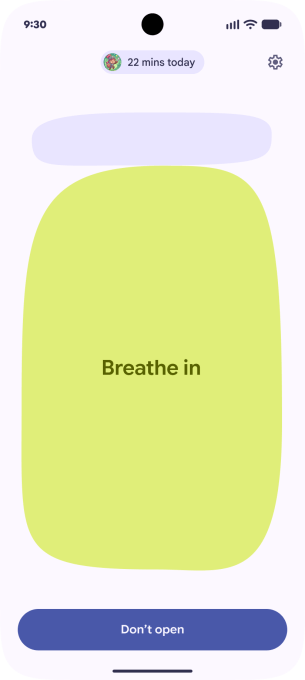
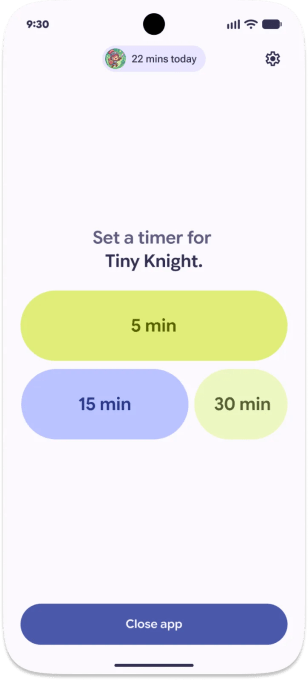
Google is rolling out a new native feature for Android designed to disrupt the cycle of mindless social media consumption. Dubbed “Pause Point,” the tool forces a 10-second mandatory delay whenever a user opens an application they have manually categorized as a distraction.
The feature arrives as part of the Android 17 update, targeting platforms known for algorithmic hooks, such as X, Instagram, TikTok, and even Google’s own YouTube. By inserting a deliberate friction point, the company aims to break the “autopilot” behavior that often leads users to lose track of time.
Addressing Algorithmic Habits
Dieter Bohn, director of product operations for Google’s Platforms & Ecosystems organization, noted that the industry is facing increasing scrutiny over the mental health impacts of social media. “Android is more capable than ever, but we also want to give you the tools to disconnect when you need to,” Bohn explained during a press briefing.
Unlike standard app timers that merely alert a user once time has elapsed, Pause Point interrupts the initial dopamine hit. During the 10-second wait, the system encourages users to reconsider their intent or engage in:
- Brief breathing exercises.
- Opening more productive alternatives, such as e-readers (Kindle, Google Play Books) or fitness applications.
- Reviewing personal photo galleries as a prompt for offline activities like outdoor walks or hobbies.
Regulatory Context and Implementation
The move comes amid a wave of U.S. state regulations and international efforts to curb the influence of social media on minors. By integrating this feature directly into the operating system, Google seeks to position itself as a proactive participant in digital wellness.
Unlike previous software solutions that were easily bypassed, Google has designed Pause Point to be intentionally difficult to disable. Deactivating the feature requires a full system restart, a hurdle intended to force users to consciously reflect on their usage habits. While third-party apps like Finch offer similar self-care benefits, the system-level integration of Pause Point may provide a more consistent barrier against digital distraction.