Google’s AI Agent Push Faces Consumer Skepticism
Google’s recent I/O developer conference centered on a bold vision: an ecosystem of AI agents designed to operate in the background. While the company positions these tools as the future of digital assistance, the rollout has been met with confusion and questions regarding their actual utility for the average consumer.
A Fragmented Suite of Tools
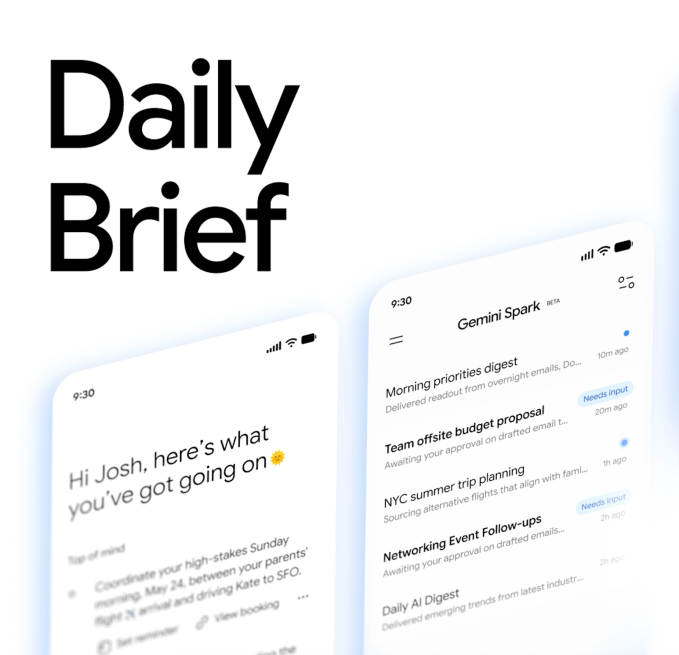
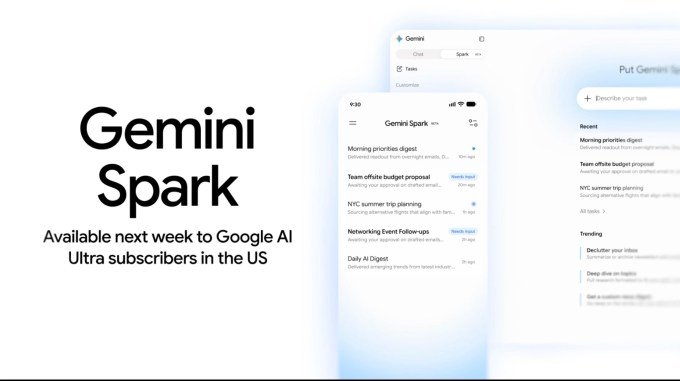
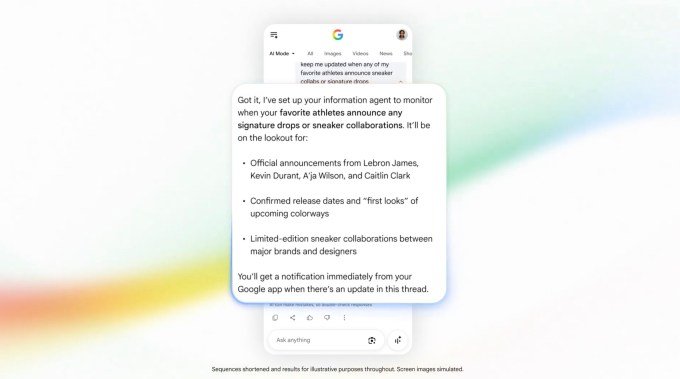
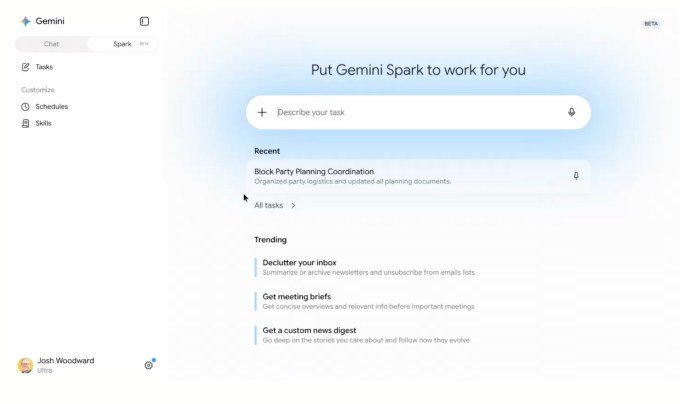
The tech giant introduced several layers of automation, aiming to replace static services like Google Alerts with dynamic, AI-driven information agents. Among the highlights is Gemini Spark, a personal agent designed to interface with Google Workspace, including Gmail and Docs. The company suggests it can handle chores like tracking home inventory, restocking supplies, or managing group trips.
Additionally, Google unveiled:
- Android Halo: A branded interface for managing notifications from Spark.
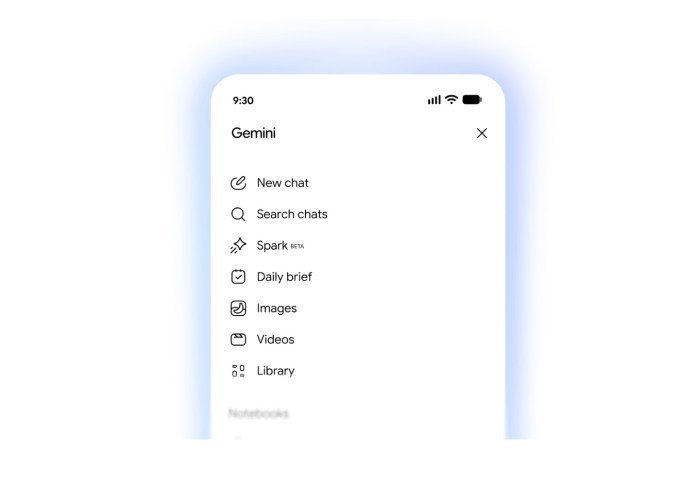
- Daily Brief: An AI-generated digest compiling updates from a user’s calendar, inbox, and tasks.
- Agentic Chrome: A browser feature that allows users to verbally configure shopping preferences for complex items, such as vehicle trim levels.
Limited Access and High Costs
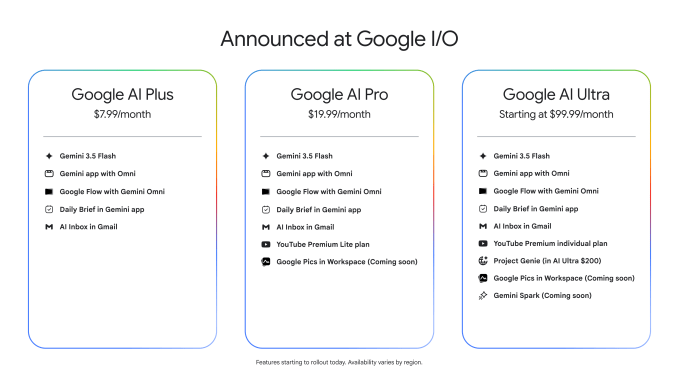
Despite the grand presentation, these tools are currently gated behind subscription tiers. Information agents will be available to Google Pro and Ultra subscribers in the U.S. this summer, while Spark is slated for Ultra users—a plan costing $100 per month. Android Halo is expected to arrive later this year.
Google maintains that it will bring these features to free users “when the time is right.” For now, the company is prioritizing “AI-pilled” subscribers who are willing to test the limits of the technology.

Bridging the Gap or Creating a Divide?
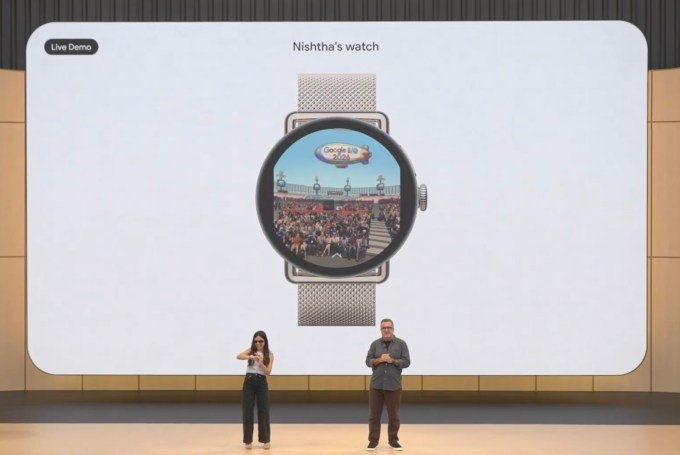
Critics argue that Google is increasingly distancing itself from the needs of the average person. While the company showcased impressive demos—such as using AI glasses to modify photos—these demonstrations often feel disconnected from the daily stressors of consumers, such as job hunting, rising costs of living, and the pervasive nature of screen-time addiction.
Instead of offering solutions that reduce screen time, the current AI strategy seems to integrate technology deeper into every facet of the user experience. By failing to demonstrate how these agents can solve tangible, real-world problems, Google risks leaving the general public behind, creating a chasm between those who can afford the AI lifestyle and those who view these advancements as mere “AI slop” cluttering their digital lives.