India Bans Real-Money Gaming: Startups Halt Operations
India’s real-money gaming sector is facing an abrupt shutdown as major startups across the country comply with the newly passed Promotion and Regulation of Online Gaming Bill, 2025. The legislation, which cleared both houses of the Indian Parliament this week, effectively outlaws real-money transactions in online games while pivoting the industry toward esports and casual titles.
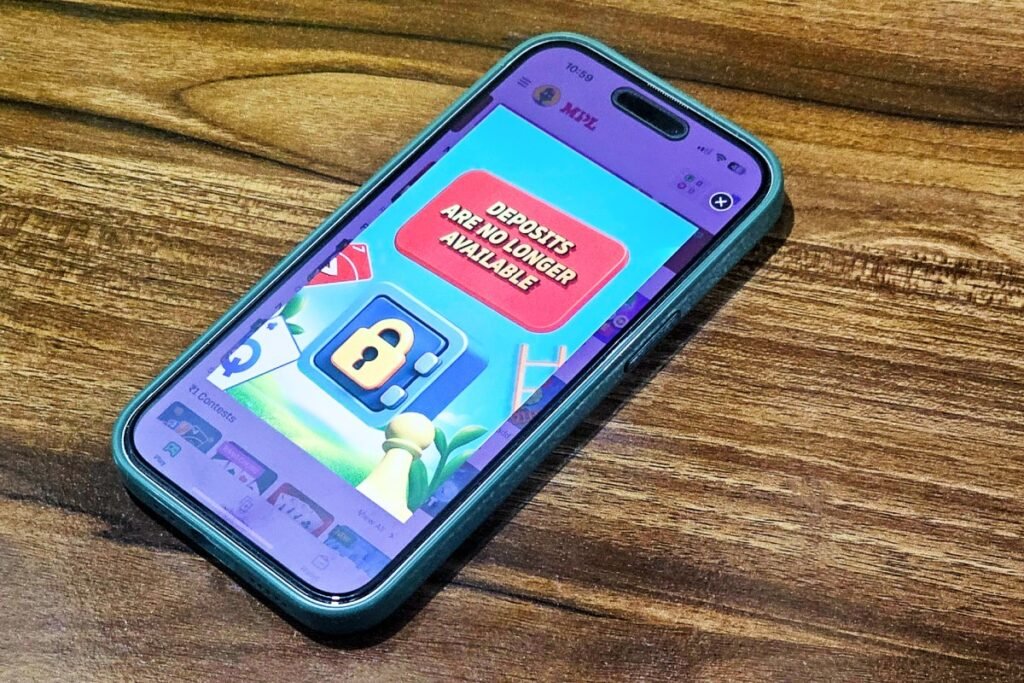
The transition is immediate for industry giants. Companies including Dream Sports, Mobile Premier League (MPL), Zupee, Probo, Gameskraft, and Cricbuzz11 have begun suspending their core business operations. While the bill awaits final presidential assent—a procedural step expected shortly—the regulatory shift has already triggered a wave of service terminations and internal workforce restructuring.
The operational impact varies by platform, but the trend is uniform:
- MPL has suspended all real-money games and ceased accepting new deposits, informing users that cash balances, minus GST, will be available for withdrawal starting August 22, 2025.
- Zupee has discontinued its paid gaming modes, though it continues to host free-to-play versions of titles like Ludo Supreme and Snakes & Ladders.
- Probo confirmed it has ceased real-money operations immediately in response to the legislative development.
- Dream Sports has pulled its new fantasy app, Dream Picks, and insiders suggest the company plans a complete exit from the real-money sector once the law is fully enacted.

The rapid compliance marks a significant retreat for an industry that commanded a combined enterprise valuation of approximately ₹2 trillion ($23 billion). According to industry data, the sector previously generated ₹310 billion in annual revenue and contributed ₹200 billion in direct and indirect taxes. Despite this economic footprint, the government has signaled that the move is necessary to curb the societal risks associated with online gambling.
While industry players possess the legal standing to challenge the new law in the Supreme Court of India, current sentiment suggests most are opting against a protracted legal battle. Public policy experts working with these firms acknowledge that a judicial challenge would face significant hurdles.
For the workforce, the legislative change has created immediate instability. Numerous employees have taken to social media to signal their availability for new roles, anticipating that companies will initiate layoffs to preserve cash flow and satisfy investors following the loss of their primary revenue streams.
This Bill, passed by both Houses of Parliament, highlights our commitment towards making India a hub for gaming, innovation and creativity. It will encourage e-sports and online social games. At the same time, it will save our society from the harmful effects of online money… https://t.co/t1iUuH9JP1
— Narendra Modi (@narendramodi) August 21, 2025
As the sector undergoes this forced metamorphosis, startups are now recalibrating their business models. For many, the focus has shifted entirely to non-monetary gaming, as they attempt to salvage existing technology and user bases under the new, stricter regulatory framework.