
India Bans Real-Money Gaming, Threatening $23B Industry
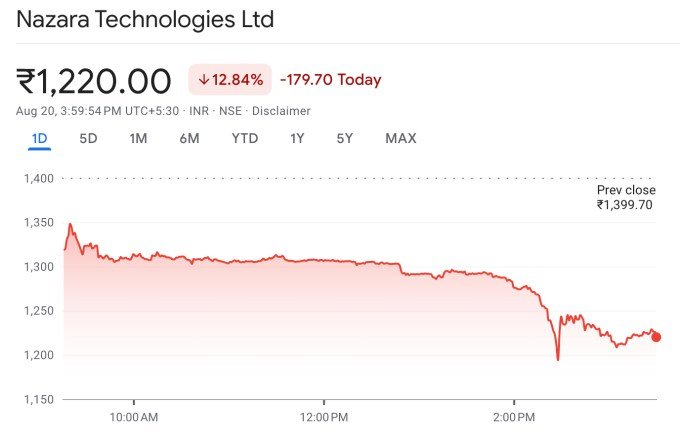
India’s lower house of parliament has passed the “Promotion and Regulation of Online Gaming Bill, 2025,” a sweeping piece of legislation that mandates a nationwide ban on real-money gaming. The move targets games involving monetary stakes—regardless of whether they are based on skill or chance—and prohibits both the advertising and financial transactions associated with these platforms.
IT Minister Ashwini Vaishnaw introduced the bill, framing it as a necessary measure to protect societal welfare. “In this bill, priority has been given to the welfare of society and to avoid a big evil that is creeping into society,” Vaishnaw stated, citing tragic incidents, including suicides, linked to financial losses in such games.
The legislation carries severe penalties for non-compliance. Entities offering real-money games could face up to three years in prison and fines reaching ₹10 million (approximately $115,000). Furthermore, celebrities or influencers who promote these services face potential imprisonment of up to two years or fines of ₹5 million (about $57,000).
Industry Impact and Economic Risks
The gaming sector, which represents a $23 billion enterprise valuation, has reacted with alarm. Major industry bodies, including the Federation of Indian Fantasy Sports, the All India Gaming Federation, and the E-Gaming Federation, have urged Prime Minister Narendra Modi to intervene. They warn that the ban could lead to the closure of over 400 companies and the loss of more than 200,000 jobs.
Industry leaders argue that the bill will inadvertently empower illegal operators. In a letter to the Prime Minister, the associations warned: “By shutting down regulated and responsible Indian platforms, it will drive [millions] of players into the hands of illegal matka networks, offshore gambling websites, and fly-by-night operators who operate without any safeguards, consumer protections, or taxation.”
Legal and Regulatory Challenges
Experts suggest the law faces a difficult path ahead due to constitutional concerns. “This law is bound to face litigation as it fails the test of proportionality under Article 19(1)(g),” said Meghna Bal, director of the Esya Centre. The constitutional article guarantees citizens the right to practice any profession or carry on any occupation or trade.
The bill’s rapid passage—occurring via voice vote less than seven minutes after its introduction—has also drawn criticism regarding due process. Rohit Kumar, a partner at The Quantum Hub, noted that such “abrupt moves” could damage India’s reputation as a stable destination for foreign investment.
The industry’s fiscal contribution is significant, with companies generating roughly ₹310 billion ($3.6 billion) in annual revenue and contributing ₹200 billion ($2.29 billion) in taxes. While some segments, such as casual gaming and esports, have expressed support for a clearer regulatory framework, others remain concerned about the lack of precise definitions between legitimate esports and gambling.
I welcome the Govt’s decision to prohibit Real Money Gaming & establish a strong regulatory framework. 🇮🇳
Too many young lives were being lost to addiction & debt.
This decisive step safeguards our youth while unlocking the future of Indian gaming — driven by original IP,…
— Vishal Gondal (@vishalgondal) August 20, 2025
The legislation now requires approval from the upper house and the president before it can be enacted into law. As the situation develops, investors and companies are closely monitoring the potential for further amendments or legal challenges to the proposed restrictions.