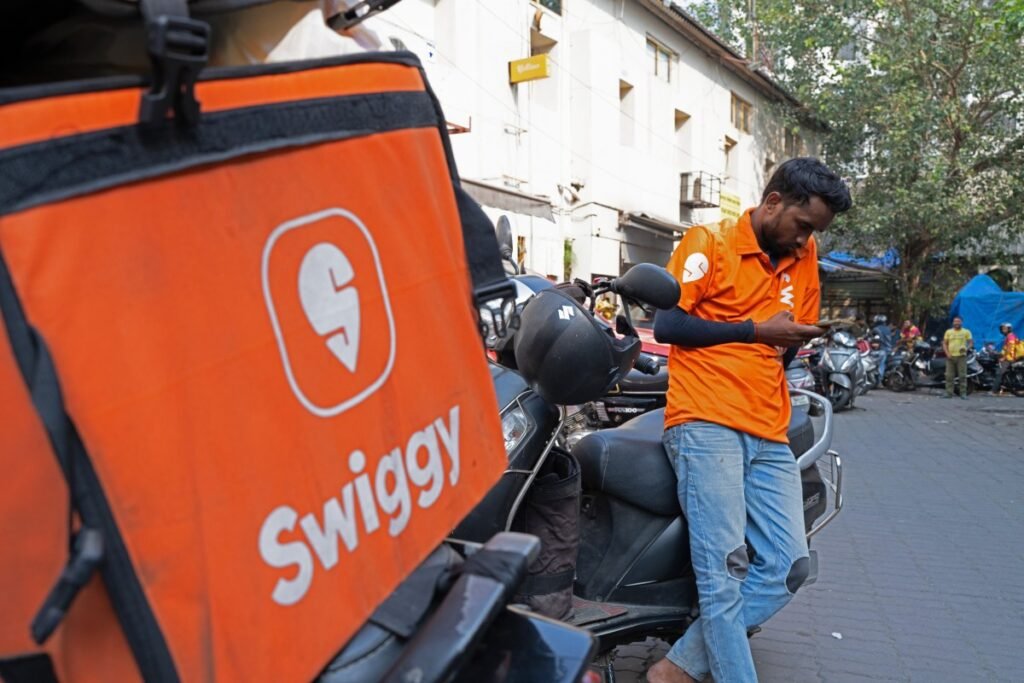
India Urges Quick-Commerce Firms to End 10-Minute Delivery
India’s Ministry of Labor and Employment is intervening in the nation’s rapidly expanding quick-commerce sector, calling on major platforms to abandon marketing promises of 10-minute deliveries. The move aims to mitigate the intense pressure placed on gig workers and prioritize their safety on the road.
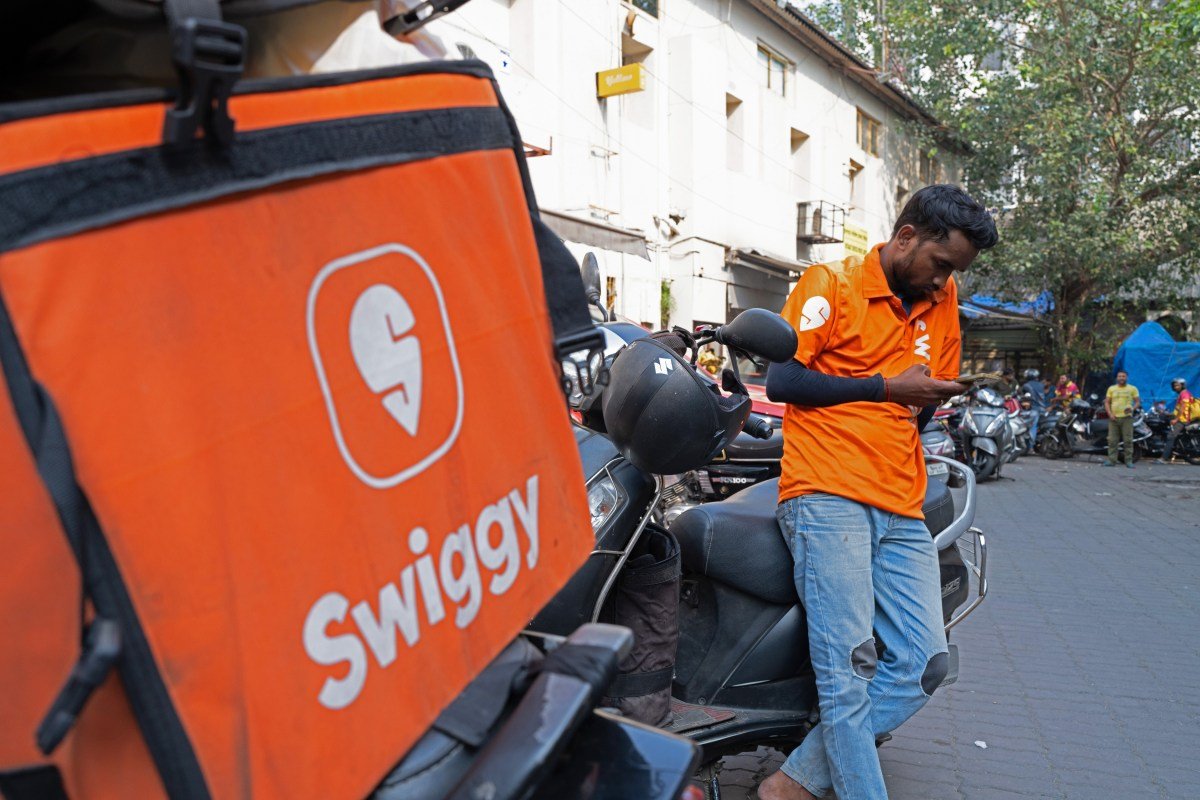
Minister of Labor and Employment Mansukh Mandaviya reportedly held discussions with leadership from prominent platforms, including Zomato’s Blinkit, Swiggy’s Instamart, and Zepto. The ministry is urging these companies to reconsider the operational models that demand such high-speed turnarounds, according to Bloomberg.
Rising Pressure on Gig Workers
The demand for near-instant delivery has transformed urban consumer habits in India, where shoppers now expect everything from groceries to gaming consoles delivered in mere minutes. To facilitate this, companies have invested heavily in “dark stores”—strategically placed neighborhood warehouses—and expanded their fleets of delivery personnel.
However, this race for speed has sparked significant backlash:
- Widespread Protests: Over 200,000 gig workers participated in demonstrations across major Indian cities on New Year’s Eve, as reported by the South China Morning Post.
- Safety Hazards: Industry experts, including Prabir Jha of Prabir Jha People Advisory, have warned that 10-to-15-minute delivery windows significantly increase the risk and stress profiles for workers navigating heavy traffic.
- Systemic Demands: Workers are calling for legislative protections, improved wages, social security benefits, and reforms to automated penalty systems that currently punish them for late arrivals.
Industry Shift and Regulatory Backdrop
In response to the mounting pressure from both the labor ministry and the workforce, there are signs of change. Blinkit has already begun phasing out its 10-minute delivery marketing, with industry observers expecting competitors to follow a similar path.
This regulatory push follows recent legislative advancements in India. The government recently granted legal status to millions of gig and platform workers. Under these new laws, platforms are required to contribute between 1% and 2% of their annual revenue—capped at 5% of payments made to workers—into a government-managed social security fund.
The stakes are high for the sector’s future. According to data from the government think tank NITI Aayog, the Indian gig economy employed approximately 7.7 million people in the 2020-21 period, a figure projected to climb to 23.5 million by 2029-30. As of now, Swiggy, Blinkit, and Zepto have not provided comments regarding the ministry’s request.