Instagram’s Adam Mosseri Downplays MrBeast’s AI Concerns
authenticity.
TAGS: Instagram, Adam Mosseri, Artificial Intelligence, MrBeast, Social Media
CONTEUDO:
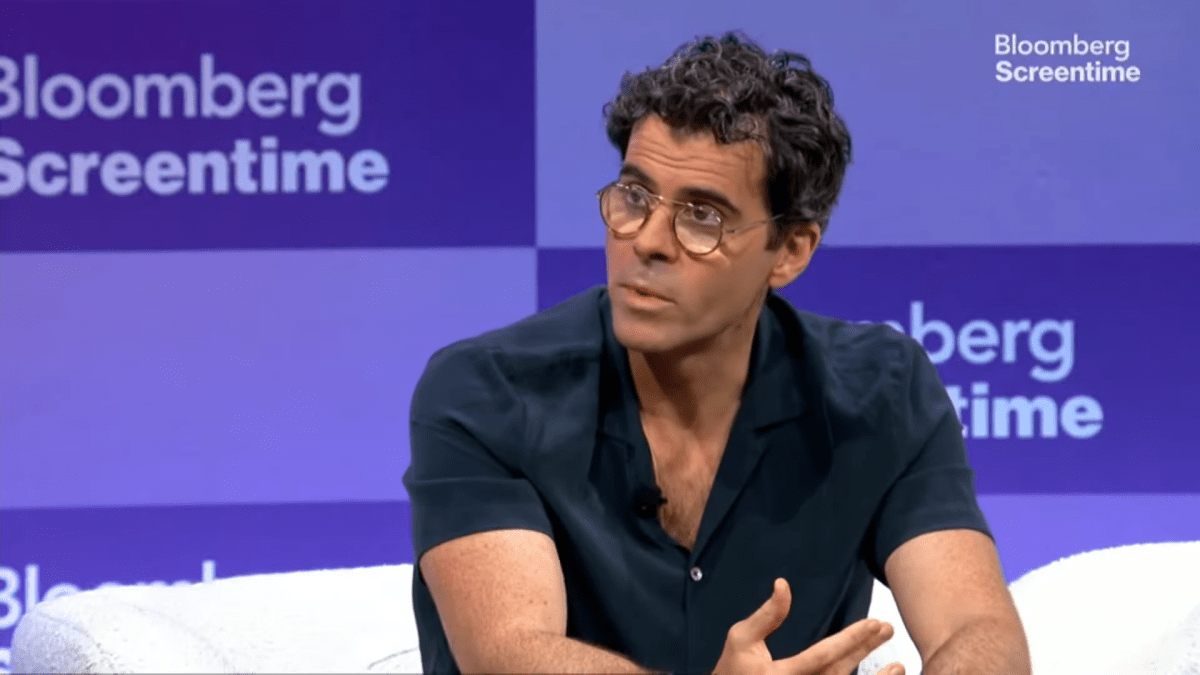
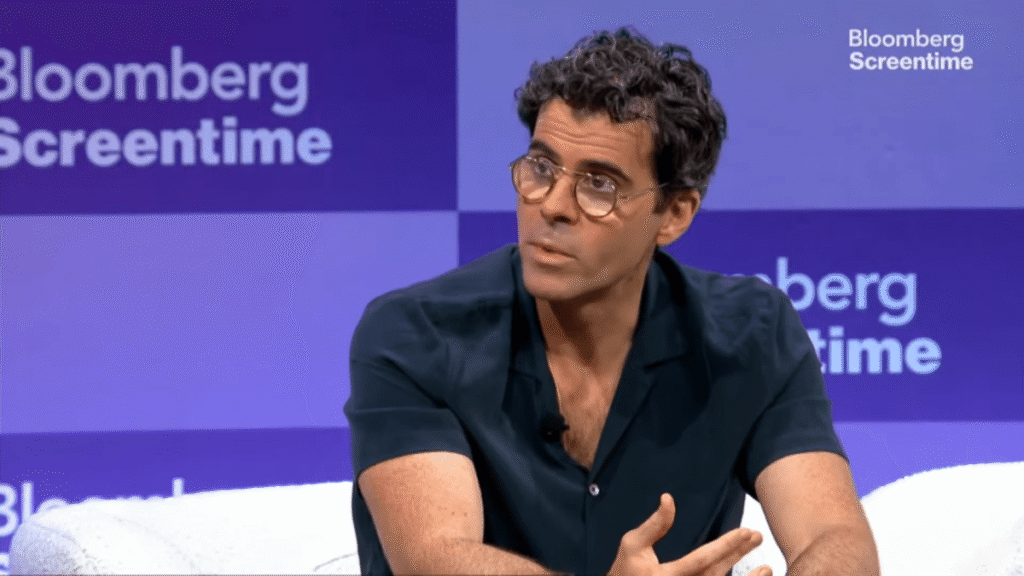
Adam Mosseri, head of Instagram, dismissed recent warnings from creator MrBeast regarding the existential threat of artificial intelligence to the creator economy. Speaking at the Bloomberg Screentime conference this week, the Meta executive argued that AI serves as a tool for empowerment rather than a replacement for human ingenuity.
The discussion was prompted by comments from Jimmy Donaldson, known as MrBeast, who recently expressed on Threads that the rise of AI-generated video creates a precarious future for traditional content creators. Mosseri countered this perspective, noting that most creators lack the massive production budgets and elaborate sets characteristic of MrBeast’s work. Instead, Mosseri believes AI will democratize production, allowing more people to achieve high-quality results at a significantly lower cost.
The Democratization of Content Production
Comparing the shift to the early days of the internet, Mosseri noted that digital infrastructure previously reduced the cost of content distribution to virtually zero. He views generative AI as the next logical step in this evolution—minimizing the barrier to entry for content creation itself. However, he acknowledged the substantial environmental and human costs often omitted from the conversation surrounding this technology.
Mosseri observed that a “hybrid” model is already emerging. Creators frequently integrate AI into their existing workflows for tasks like color grading and filtering, rather than relying on purely synthetic content. He anticipates a future where the distinction between organic and AI-assisted media becomes increasingly blurred, moving away from binary labels toward a blended middle ground.
The Challenge of Labeling Synthetic Media
Addressing Meta’s own struggle with transparency, Mosseri admitted that the company’s initial automated attempts to flag AI content were flawed. The system frequently misidentified human-produced media as synthetic—partly because many standard creative tools, such as those from Adobe, now incorporate AI components. He described these early efforts as “a fool’s errand.”
While Meta is refining its approach, Mosseri hinted that the solution might lie in providing greater context rather than relying solely on automated tags. This suggests a potential expansion of systems like Community Notes, which allow users to provide crowdsourced fact-checking and supplementary information to clarify the origins of a post.
A Shift in Societal Literacy
Ultimately, Mosseri emphasized that the burden of discerning reality cannot rest solely on platforms. He highlighted the necessity for a societal shift in how future generations consume digital information:
- Critical Thinking: Children must learn that visual evidence is no longer proof of reality.
- Source Verification: Viewers should prioritize evaluating who is sharing the content and what their underlying incentives might be.
- Media Literacy: The assumption that a video is a direct capture of a real-world event is becoming obsolete.
Reflecting on his role as a parent, he noted, “My kids are young. They’re nine, seven, and five. I need them to understand… that just because they’re seeing a video of something doesn’t mean it actually happened.”
Market Competition and TikTok
Beyond AI, the Instagram head addressed the competitive landscape, specifically regarding TikTok’s status in the United States. Mosseri maintained that robust competition forces Instagram to improve its own offerings. Regarding the ongoing changes to TikTok’s ownership and structure, he observed little impact on the user experience. “It’s the same app, the same ranking system, the same creators that you’re following,” he concluded. “It doesn’t seem like it’s a major change in terms of incentives.”