ChatGPT Adds Spotify Integration for Custom Playlists
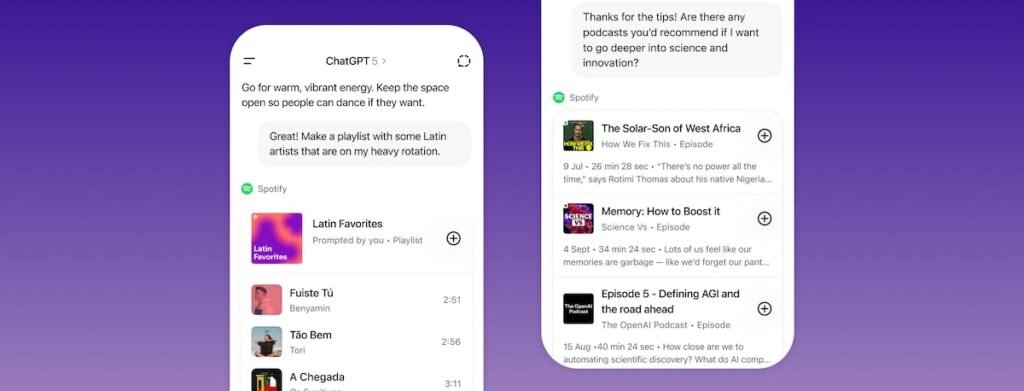
OpenAI has expanded the functionality of ChatGPT by introducing direct app integrations, starting with a significant partnership with Spotify. Users can now link their music accounts to the AI assistant to generate custom playlists, discover new tracks, and manage their listening library through natural language commands.
The feature is currently rolling out to ChatGPT Free, Plus, and Pro users across 145 countries. While the integration is available to both free and premium Spotify subscribers, the company notes that premium users will benefit from a more personalized and tailored experience.
How the Integration Works
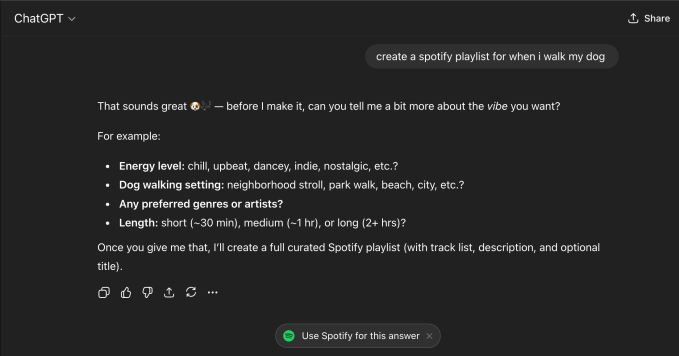
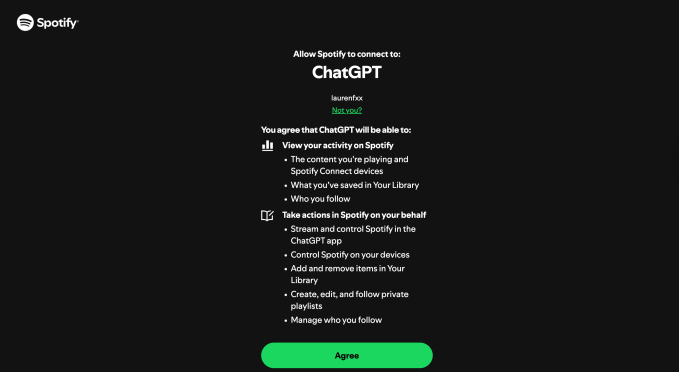
To initiate the connection, simply mention Spotify in a ChatGPT prompt. A button labeled “Use Spotify for this answer” will appear, granting the AI permission to access your listening history, saved tracks, and preferences. This context allows the AI to curate recommendations that align with your specific musical taste.
Capabilities include:
- Creating and editing playlists based on specific moods, events, or durations.
- Adding or removing songs from your library.
- Managing your “following” list for artists and podcasts.
- Controlling playback directly through the interface.

Privacy and Data Security
Connecting your account requires agreement to Spotify’s privacy policy. Users should be aware that this integration shares data—including IP addresses, approximate locations, and library contents—with ChatGPT. Spotify has clarified in a blog post that content from artists and creators on its platform is not being used to train OpenAI’s models.
If you prefer to revoke access, you can disconnect your Spotify account from ChatGPT at any time.
This rollout is part of a broader push by OpenAI to integrate third-party apps into its ecosystem. Other platforms now compatible with ChatGPT include Booking.com, Canva, Coursera, Expedia, Figma, and Zillow, each offering specialized tools that allow users to perform tasks—such as searching for real estate or planning travel—without leaving the AI interface.