Intel Joins Elon Musk’s Terafab Chip Project in Texas
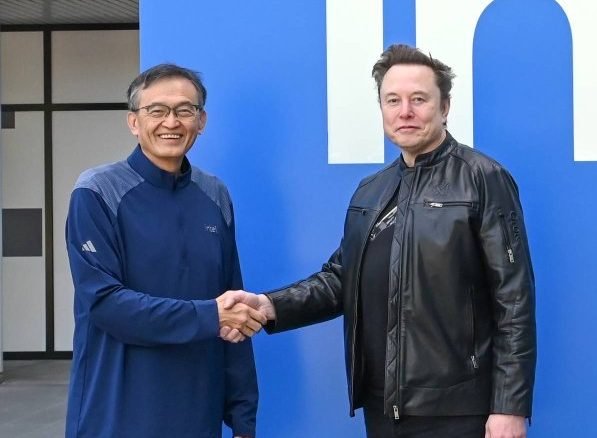
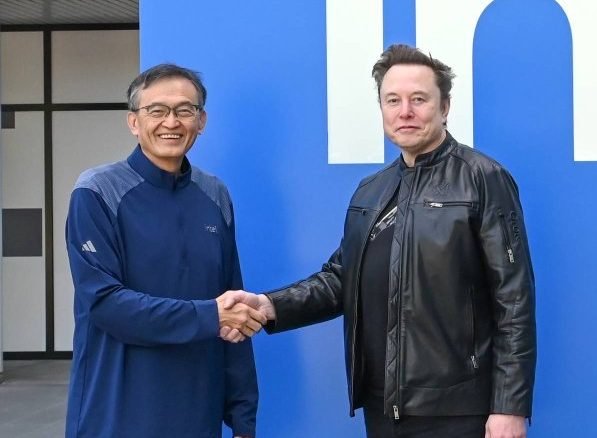
Intel has officially entered a partnership with Elon Musk’s companies, SpaceX and Tesla, to support the development of a new semiconductor manufacturing facility in Texas known as Terafab. While the specific scale of Intel’s involvement remains undisclosed, the collaboration marks a significant shift in the project’s execution strategy.
The project, initially unveiled by Musk in March, seeks to create a massive domestic source of silicon for AI computing, satellite technology, and the future needs of Tesla’s robotics and autonomous vehicle divisions. Intel confirmed its participation via a corporate statement on X, noting, “Our ability to design, fabricate, and package ultra-high-performance chips at scale will help accelerate Terafab’s aim to produce 1 TW/year of compute to power future advances in AI and robotics.”
Addressing Manufacturing Complexity
Constructing a semiconductor fabrication plant is widely considered one of the most capital-intensive and technically demanding industrial undertakings. These facilities require multi-billion dollar investments—often exceeding $20 billion—and years of preparation to install the ultra-precise machinery necessary for silicon production within specialized clean rooms.
The involvement of Intel provides a clear path for execution, as neither SpaceX nor Tesla possess prior experience in large-scale semiconductor manufacturing. By bringing in a veteran of the industry, the Terafab project gains the necessary technical expertise to navigate these complex infrastructure requirements.
Market Impact and Strategic Shift
For Intel, the deal serves as a major win in its ongoing effort to secure anchor customers for its foundry business. The company has struggled in recent years as competitors like Nvidia and AMD shifted toward a “fabless” model, outsourcing their manufacturing needs. Market reaction to the announcement was positive, with Intel’s stock rising more than 3% to reach $52.28 by 2 p.m. ET, reflecting investor optimism regarding the company’s role in the initiative.
Despite the announcement, Intel has declined to provide further details regarding the scope of the partnership, and SpaceX has not yet responded to requests for comment. The collaboration suggests that Terafab may move away from a purely unconventional engineering approach, instead relying on Intel’s established, traditional manufacturing capabilities to meet its ambitious compute targets.