
Meta Sued Over Privacy Concerns With AI Smart Glasses
Meta is facing a fresh class action lawsuit in the United States following revelations that contractors have been reviewing sensitive footage captured by its AI-powered smart glasses. The legal challenge centers on allegations that the tech giant engaged in deceptive marketing practices regarding the privacy protections of its wearable devices.
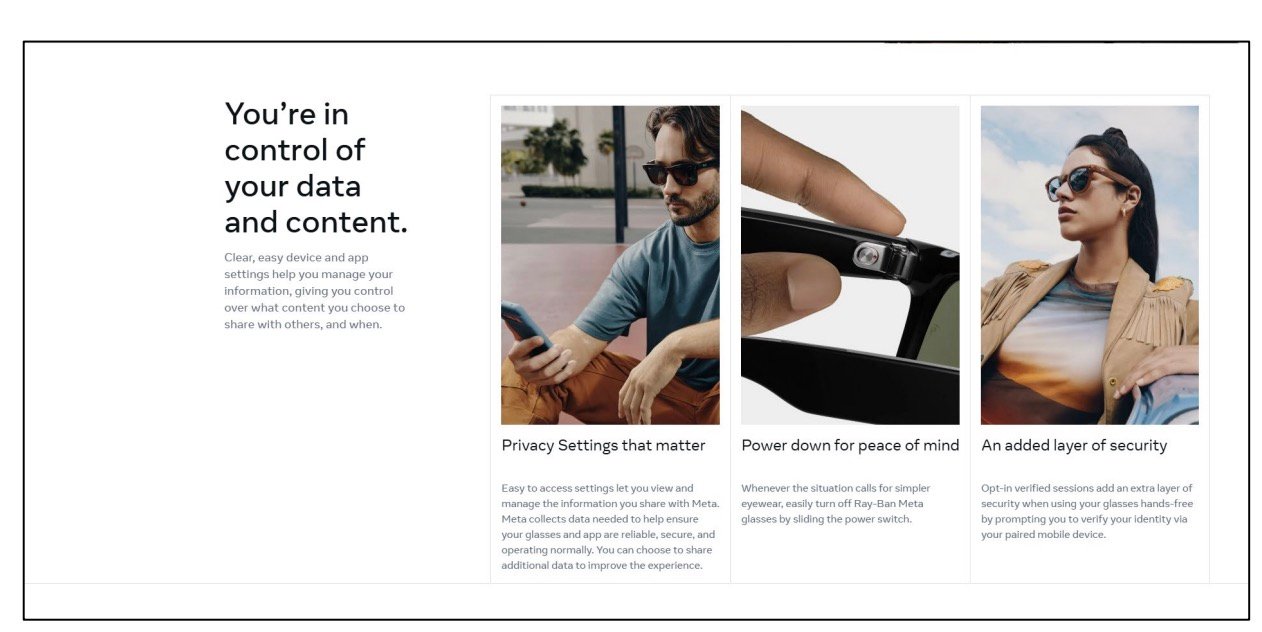
Plaintiffs Gina Bartone, of New Jersey, and Mateo Canu, of California, filed the complaint through the Clarkson Law Firm. The lawsuit claims that Meta and its manufacturing partner, Luxottica of America, violated consumer protection laws by promoting the glasses with slogans such as “designed for privacy, controlled by you” and “built for your privacy.”
The Investigation into User Footage
The legal action follows an investigation by Swedish media, which uncovered that workers at a Kenya-based subcontractor were reviewing video clips recorded by customers. The footage included highly sensitive content, such as nudity, sexual acts, and people using the toilet.
While Meta asserted that it employed blurring technology to protect the identities of individuals in the images, sources cited in various reports have questioned the effectiveness of these measures. The controversy has already triggered regulatory scrutiny from the U.K.’s Information Commissioner’s Office.
Market Impact and Scale
The Clarkson Law Firm, known for litigating against major tech entities like Apple, Google, and OpenAI, highlighted the significant reach of the product. By 2025, sales of the smart glasses surpassed seven million units, with user footage being routed into a data pipeline for manual review that lacks an opt-out mechanism for customers.
Meta’s Response
Meta spokesperson Christopher Sgro addressed the broader concerns regarding the company’s data practices:
- “Ray-Ban Meta glasses help you use AI, hands-free, to answer questions about the world around you.”
- “Unless users choose to share media they’ve captured with Meta or others, that media stays on the user’s device.”
- “When people share content with Meta AI, we sometimes use contractors to review this data for the purpose of improving people’s experience, as many other companies do.”
- “We take steps to filter this data to protect people’s privacy and to help prevent identifying information from being reviewed.”
Although the company did not comment on the specific litigation, it noted that its Supplemental Meta Platforms Terms of Service and AI terms of service clarify that user interactions—including conversations and messages—may be subject to automated or manual human review.