Meta’s 10-Year Oculus Bet: A Decade of VR Struggle
A decade has passed since Facebook announced its $2 billion acquisition of Oculus, a startup that initially captivated the tech world with a prototype resembling a DIY ski mask. At the time, Mark Zuckerberg envisioned the technology as a paradigm-shifting communication platform, comparing its potential to the internet and smartphones. Today, as of April 2024, the reality of that investment remains far more complicated than the initial hype suggested.
Zuckerberg’s early pitch promised a future where users could attend sports games courtside, participate in global classrooms, or consult doctors virtually from home. This vision eventually culminated in the company’s 2021 rebranding to Meta—a move that effectively retired the Oculus name. Yet, despite burning roughly $500 billion on the rebrand and associated efforts, the company has struggled to provide a concrete, compelling definition of the “metaverse” beyond its own Horizon Worlds platform.
The Financial Cost of the Long Game
From a fiscal perspective, the results are stark. Between the end of 2020 and the first quarter of 2024, Meta’s metaverse division reported losses of $42 billion. While Meta generated $134 billion in revenue and $39.1 billion in net income last year, the massive spending on its Reality Labs division continues to test shareholder patience.
Meta’s strategy relies on a “long game” approach:
- Market Saturation: Selling headsets at a loss to build a critical mass of users and developers.
- Price Dominance: Effectively forcing competitors out of the consumer space by setting a lower price floor for hardware.
- Content Ecosystem: Investing heavily to ensure that when mixed reality matures, Meta owns the dominant platform.
Market Position and the Apple Factor
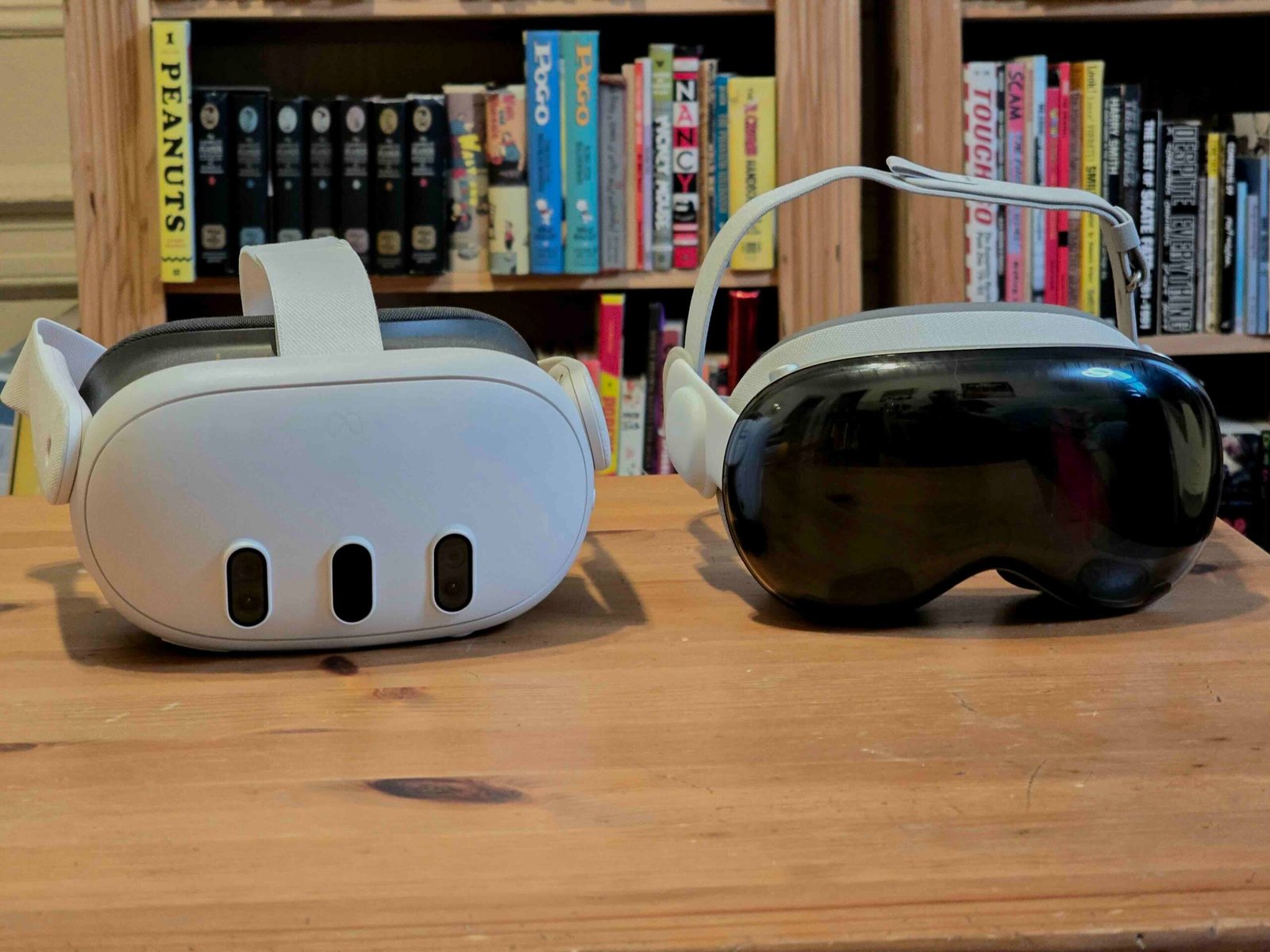
Meta currently holds a dominant position in the VR market, with a 50.2% share as of Q2 2023, according to IDC. By early 2023, the company had sold approximately 20 million headsets. However, the entry of Apple’s Vision Pro has changed the conversation.
While Zuckerberg has publicly dismissed the Vision Pro, claiming the Quest is superior for most use cases despite a $3,000 price difference, the market remains divided. Apple is clearly targeting enterprise and high-end users, whereas Meta remains committed to democratizing access through subsidized hardware.

Ultimately, the pandemic accelerated the adoption of virtual collaboration, but it did so without the need for expensive headsets. Ten years after the Oculus acquisition, the delivery mechanism for the “metaverse” is still searching for its killer use case, leaving Meta’s massive bet on the future of computing hanging in the balance.