Ten Years of Meta’s Oculus Bet: Has VR Changed the World?
A decade has elapsed since Meta, then known as Facebook, finalized its $2 billion acquisition of Oculus. What began as a scrappy project—resembling little more than a duct-taped ski mask—was envisioned by Mark Zuckerberg as a revolutionary communication platform. He predicted that virtual reality would soon become as fundamental as the internet or the smartphone, promising a future where users could attend classrooms or consult doctors from their living rooms.
Looking at the landscape in April 2024, the reality of that vision remains debated. While Meta effectively rebranded itself in 2021 to signal a total pivot toward the metaverse, the company has struggled to define the concept beyond vague, ambitious marketing. Despite a massive $500 billion valuation shift during its rebrand, the public perception of the “metaverse” often remains tied to dated virtual world concepts rather than the transformative experience Zuckerberg once promised.
Financial Hurdles and Strategic Bets
From a purely fiscal perspective, the results have been stark. Between late 2020 and the first quarter of 2024, Meta’s metaverse division reported losses totaling $42 billion. To put this in perspective, that figure is roughly 21 times the original purchase price of Oculus. However, the corporation, which generated $134 billion in revenue and $39.1 billion in net income last year, appears committed to a long-term strategy of market saturation.
Meta has effectively utilized a loss-leader strategy to capture the market, selling Quest headsets at prices that are widely believed to be below the cost of production. The goal is clear: build a massive user base and developer ecosystem before competitors can gain a foothold. This aggressive pricing has created a significant barrier for other manufacturers, forcing companies like HTC to shift their focus toward enterprise sectors where they can avoid competing directly with Meta’s consumer-focused pricing.
Market Dominance and the Apple Factor
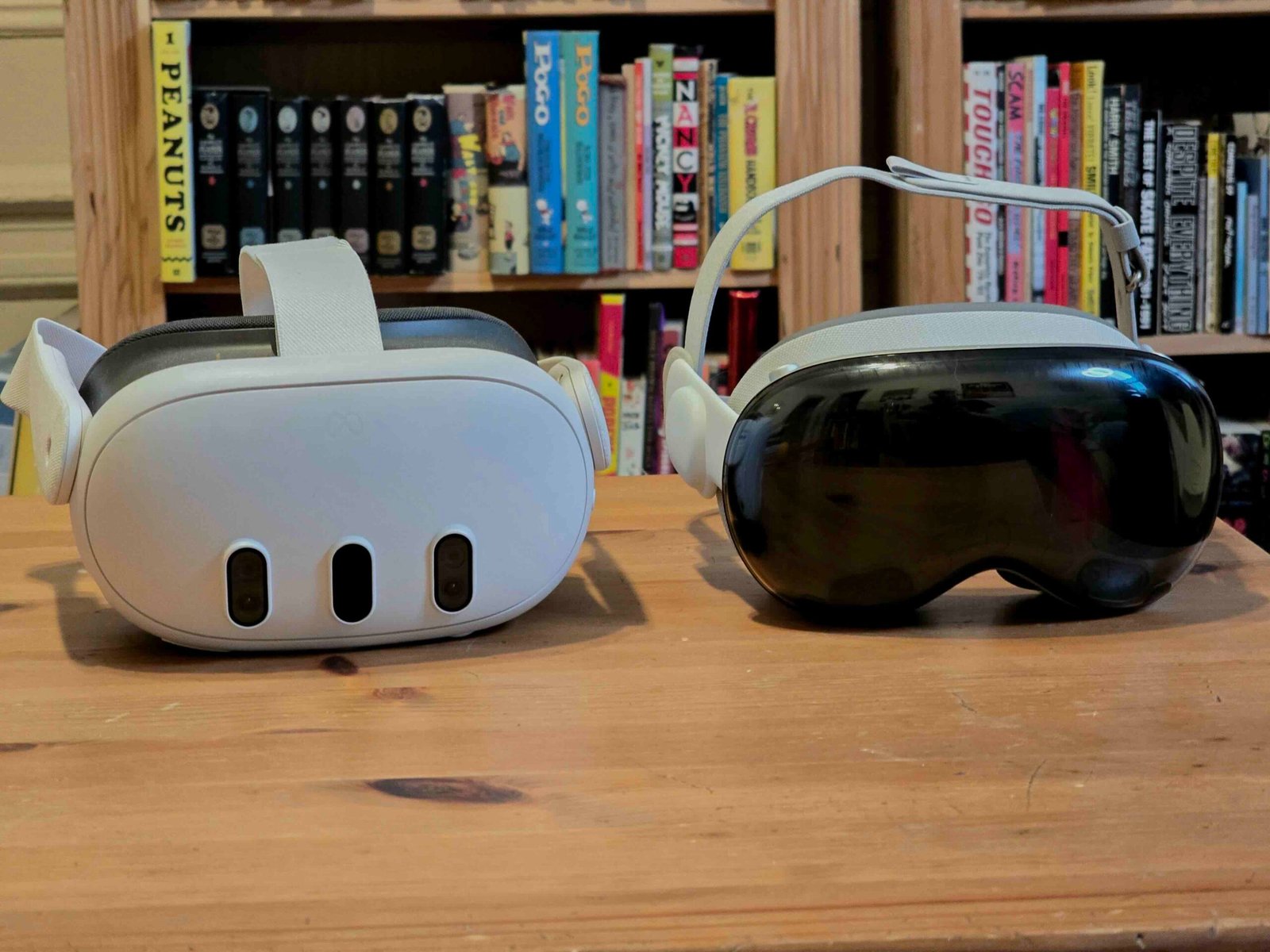
Meta’s influence on the VR sector is undeniable. According to IDC, the company held a 50.2% market share as of Q2 2023. By early 2023, estimates suggested that Meta had sold approximately 20 million headsets. This success confirms one part of Zuckerberg’s original thesis: there is a clear demand for an affordable entry point into virtual reality technology.
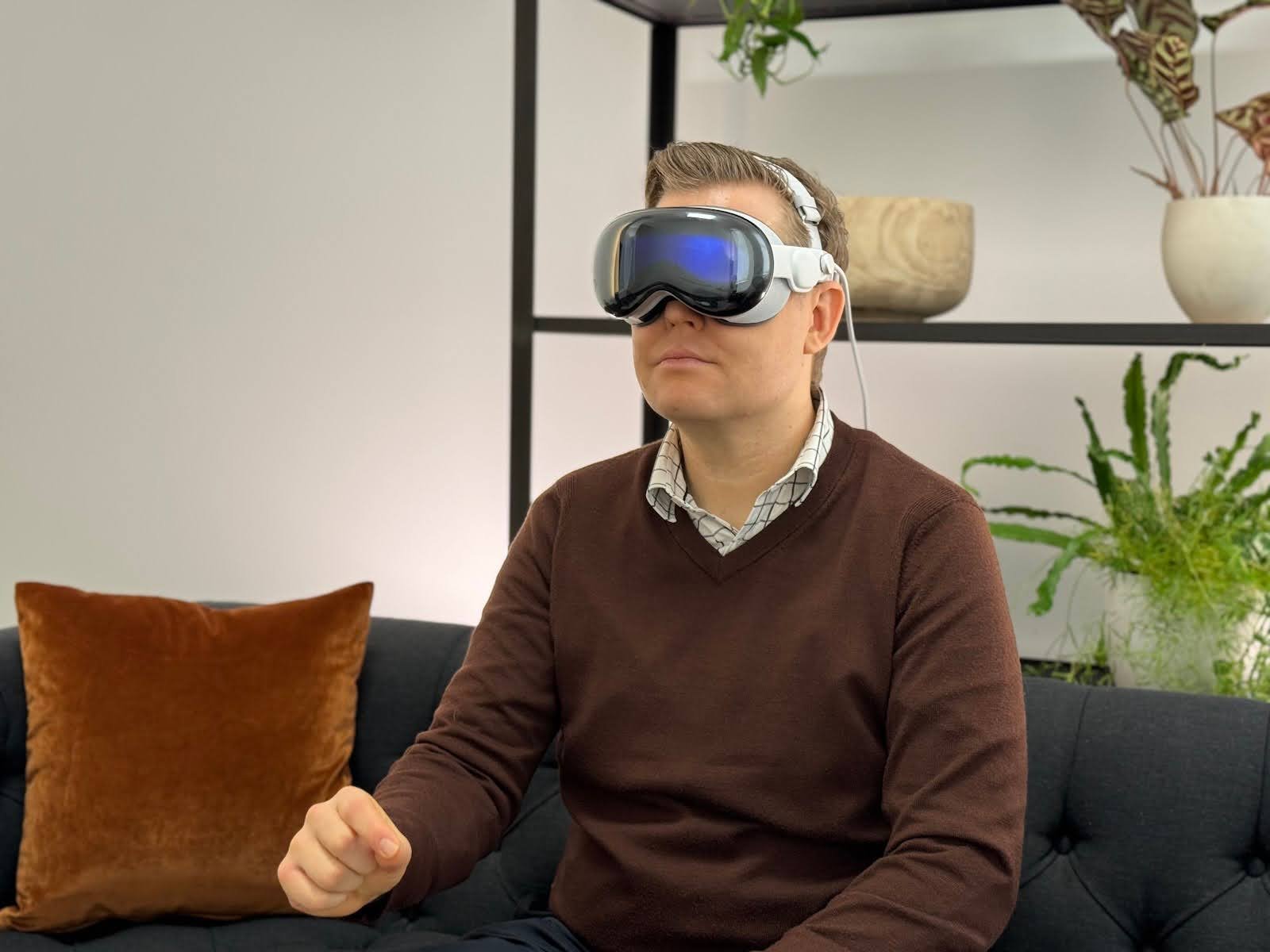
The entry of Apple’s Vision Pro into the market has reignited conversations about the future of mixed reality. While many industry players view Apple’s move as validation of the technology, it also highlights the divide between different market approaches:
- Meta: Focuses on democratizing access through lower-cost hardware, even at a per-unit loss.
- Apple: Targets a high-end, premium segment, positioning the Vision Pro as a piece of sophisticated technology for business and prosumers.
The Evolving Nature of Connectivity
Zuckerberg’s early predictions regarding how we would interact—attending events or meetings in virtual spaces—have in many ways come to pass, but not necessarily through the hardware he championed. The global pandemic accelerated the adoption of virtual collaboration tools, proving that society could adapt to remote and digital interaction without needing VR goggles.
As the industry marks ten years since the Oculus acquisition, the “metaverse” remains a work in progress. While Meta has succeeded in making VR more accessible, the transformation of human connection through headsets remains a goal rather than a daily reality for the average person.